About This Plant
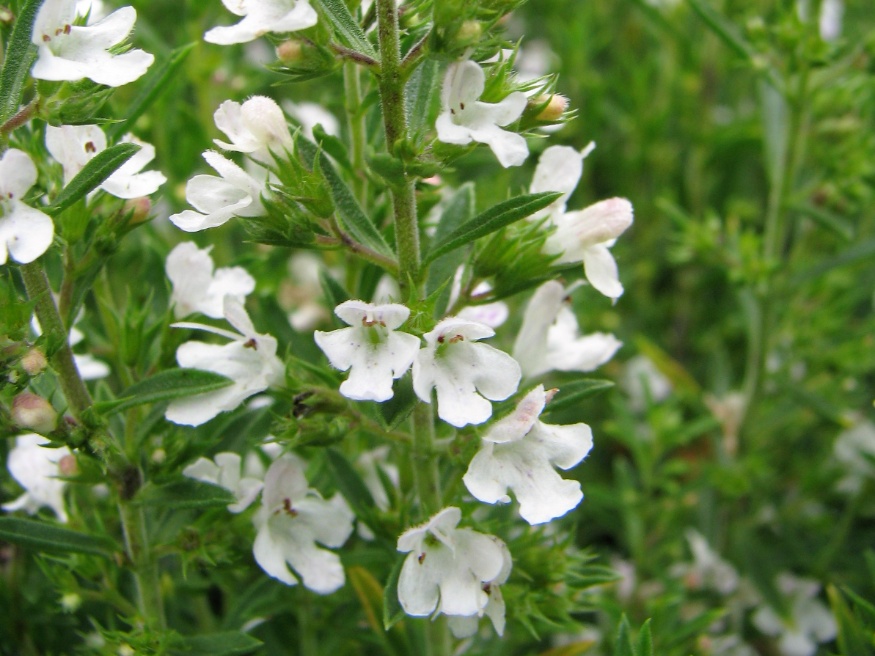
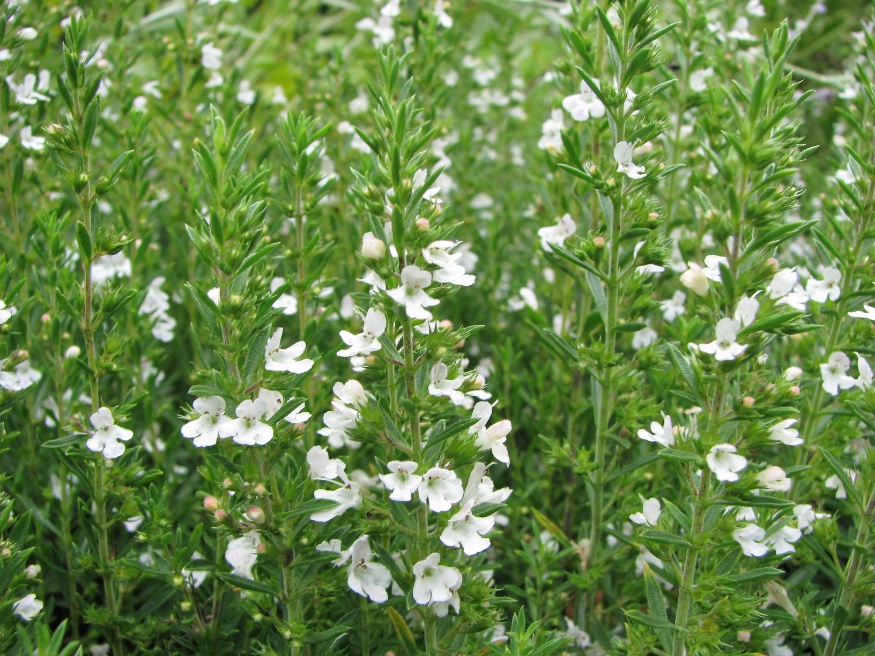
Winter savory is a low-growing perennial herb with a woody base and small, aromatic leaves that release a sharp, peppery scent when crushed. Unlike its annual relative, summer savory, this species persists year after year, gradually forming a compact, semi-woody clump. Its small white to pale lilac flowers appear in late summer, attracting pollinators and adding subtle beauty to herb gardens.
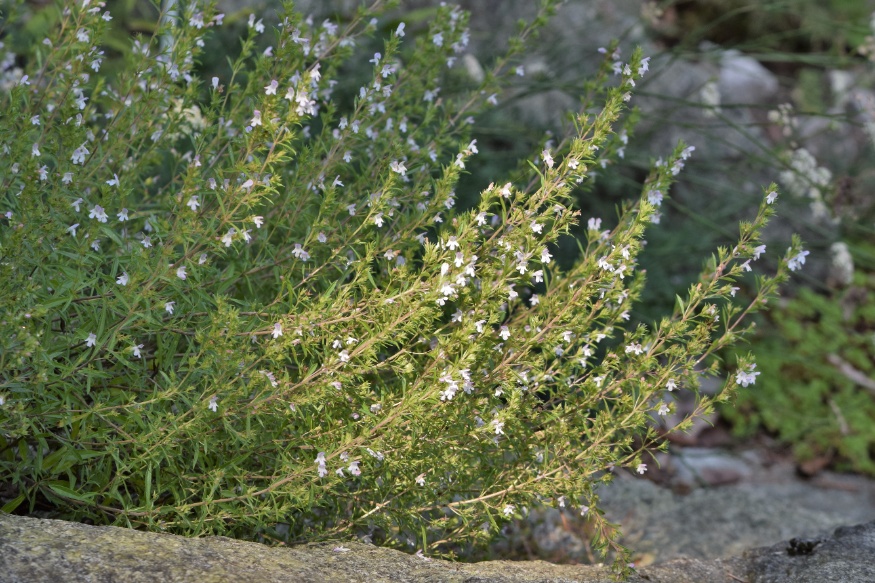
Native to southern Europe, winter savory is adapted to dry, rocky environments and thrives in well-drained soils with plenty of sunlight. It is often found growing on hillsides and rocky slopes, where its drought tolerance allows it to persist in challenging conditions. This adaptability makes it an excellent choice for xeriscaping and low-water gardens.
The plant is easily identified by its narrow, dark green leaves and woody stems, which distinguish it from softer, more tender herbs. Its compact growth habit makes it suitable for edging and ground cover in herb beds.
Historically, winter savory was valued both as a culinary herb and for its medicinal properties. It was widely used in European kitchens and herbal traditions, often associated with strengthening digestion and warming the body.
Today, it remains a useful herb for both cooking and medicine. Its leaves are used fresh or dried to flavor dishes, while medicinal preparations help stimulate digestion and support respiratory health. Though small in stature, winter savory offers a potent combination of flavor and function.
Traditional Use
Folk Use
Winter savory has long been used as both a culinary herb and a medicinal plant, particularly in European traditions. Its strong, peppery flavor made it a popular seasoning for beans and meats, while its medicinal properties were valued for supporting digestion.
Traditionally, it was used to relieve gas, bloating, and digestive discomfort. Its warming nature made it especially useful in colder seasons or for individuals with sluggish digestion. It was also used for respiratory complaints, helping to clear congestion and support lung function.
The herb shares similarities with thyme, both in flavor and medicinal action, and was often used alongside it in herbal preparations.
Chinese Medicine
Winter savory is not a traditional Chinese medicinal herb, but its warming and drying qualities align with herbs that dispel cold and dampness. It may be conceptually similar to aromatic herbs that move qi and stimulate digestion.
Its pungent nature suggests an ability to promote circulation and clear stagnation, particularly in the digestive system. It may also support the lungs in conditions involving cold and damp congestion.
While not used in classical formulas, its energetic profile fits within systems that emphasize warming and movement.
Special Chemistry
Winter savory contains essential oils rich in thymol and carvacrol, compounds known for their antimicrobial and stimulating properties.
Signature
The plant's strong aroma and ability to thrive in dry, rocky soils reflect its warming, stimulating, and drying nature.
Combinations
Precautions
Essential oil should be used with caution due to its potency. Large doses of the herb may cause irritation.
| Medicinal Species | Satureja montana |
|---|---|
| Tastes | bitter, acrid/pungent |
| Organ Systems | digestive, respiratory |
| Thermal Nature | warm |
| Moisture | drying |
| Parts Used | stems, leaves |
| Preparations | tea/infusion, tincture, essential oil |
| Organs and Tissue | lungs, stomach |
Growing Guide
Winter savory is a hardy perennial that prefers full sun and well-drained soils, particularly those that are sandy or slightly alkaline. Seeds can be started indoors or sown outdoors after a period of cold moist stratification, though propagation is often easier through cuttings or division of established plants.
This plant thrives in dry to moderately moist conditions and is highly drought tolerant once established. Overwatering or poorly drained soils can lead to root rot, so good drainage is essential. It is well suited to rock gardens and herb beds where conditions mimic its native habitat.
Regular pruning helps maintain a compact shape and encourages fresh, tender growth. Harvesting can be done throughout the growing season, and cutting back after flowering can help extend the plant’s lifespan and vigor.