About This Plant
White mustard is a fast-growing annual herb known for its bright yellow flowers and pungent seeds, which have been used for centuries as both food and medicine. It belongs to the mustard family, a group of plants well known for their spicy flavors and agricultural importance.
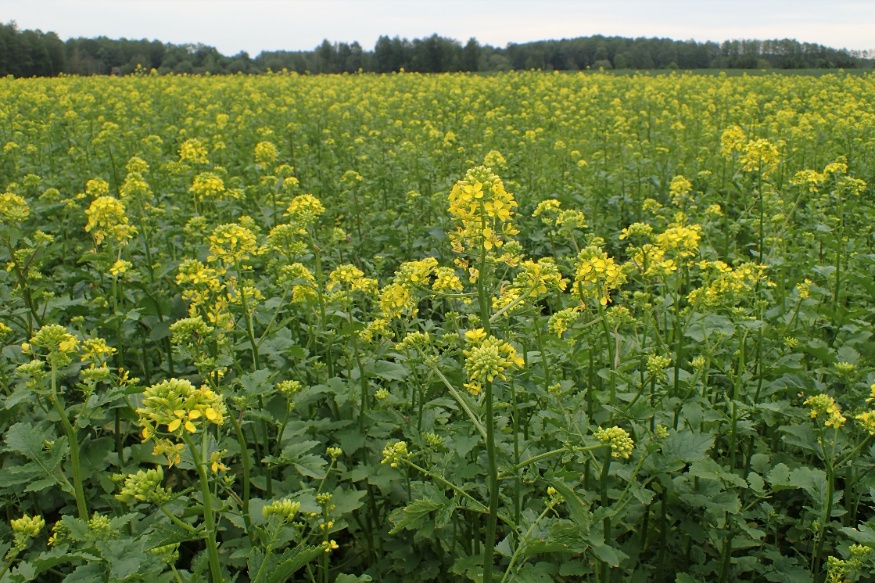
Native to Europe and widely cultivated around the world, white mustard thrives in open, sunny environments and disturbed soils. It is commonly found in agricultural fields, roadsides, and gardens, where it often grows quickly and completes its life cycle within a single season.
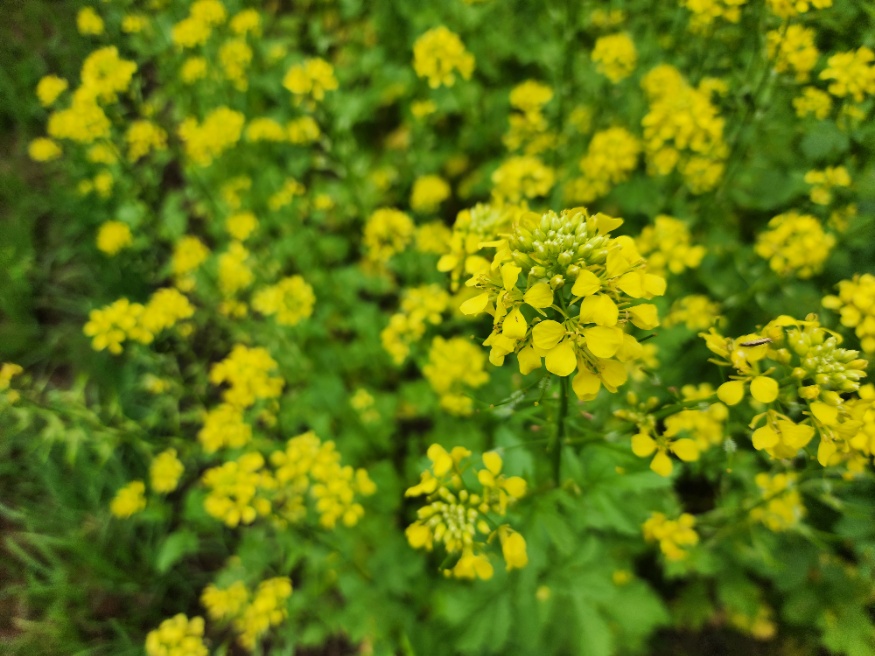
The plant is easily identified by its upright growth, lobed leaves, and clusters of small yellow flowers that give way to seed pods. These pods contain the seeds that are harvested and processed into mustard condiments or used medicinally.
Historically, mustard has been an important plant in both culinary and medicinal traditions. Its seeds were used to create condiments, while also serving as a remedy for a variety of ailments related to digestion and circulation. It was valued for its ability to stimulate and warm the body.
Today, white mustard remains widely used in food preparation and herbal practices. The seeds are the primary medicinal part, known for their pungent, heating qualities that stimulate digestion and circulation. While the leaves are also edible, they are typically consumed in smaller amounts due to their strong flavor.
Traditional Use
Folk Use
White mustard has long been used as both a food and a medicine. Its seeds are widely known for their use in condiments, but they have also been valued for their stimulating and warming effects on the body. Traditionally, mustard seeds were used to aid digestion and stimulate appetite.
In folk medicine, mustard was commonly applied externally as a poultice or plaster to increase circulation and relieve muscle pain. It was also used to help clear congestion by drawing blood to the surface and warming the body.
The leaves were sometimes consumed as a pungent green, adding both flavor and nutritional value to meals. Its dual role as a culinary and medicinal plant has made it a staple in many traditional systems.
Chinese Medicine
White mustard seeds are used in Chinese medicine (Bai Jie Zi) to warm the lungs, transform phlegm, and relieve cold-type congestion. They are particularly valued for their ability to dispel cold and resolve stubborn mucus accumulation.
Their hot and acrid nature makes them suitable for conditions characterized by cold, dampness, and stagnation. They are often used in formulas that target respiratory issues, especially when phlegm is thick and difficult to expectorate.
Externally, mustard seed preparations are sometimes used to stimulate circulation and alleviate pain, reflecting their strong warming properties.
Special Chemistry
White mustard seeds contain glucosinolates that break down into pungent compounds when crushed, producing the characteristic heat and stimulating effects associated with mustard.
Signature
The sharp, pungent flavor and heating effect of mustard reflect its ability to stimulate circulation and break through stagnation.
Combinations
White mustard combines well with horseradish to enhance warming and stimulating effects, particularly in respiratory and digestive formulas.
Precautions
Excessive use, especially externally, can cause skin irritation or burns. Internally, large amounts may irritate the digestive tract. Use with caution.
| Medicinal Species | Sinapis alba |
|---|---|
| Tastes | acrid/pungent |
| Organ Systems | circulatory, digestive |
| Thermal Nature | hot |
| Moisture | drying |
| Parts Used | seeds |
| Preparations | extract, tincture, powder, compress |
| Organs and Tissue | stomach, blood |
Growing Guide
White mustard is an easy-to-grow annual that thrives in full sun and well-drained soils. Seeds can be sown directly into the ground in early spring, as they germinate quickly and do not require stratification. It establishes rapidly and can be harvested within a single growing season.
This plant tolerates a wide range of soil conditions but performs best in moderately fertile soils. It is often used as a cover crop due to its fast growth and ability to improve soil structure and fertility. Regular watering during establishment helps ensure strong growth, though mature plants are relatively adaptable.
White mustard can self-seed if allowed to go to seed, so timely harvesting is recommended if control is desired. It is also commonly grown in succession plantings for continuous harvest of leaves or seeds.