About This Plant
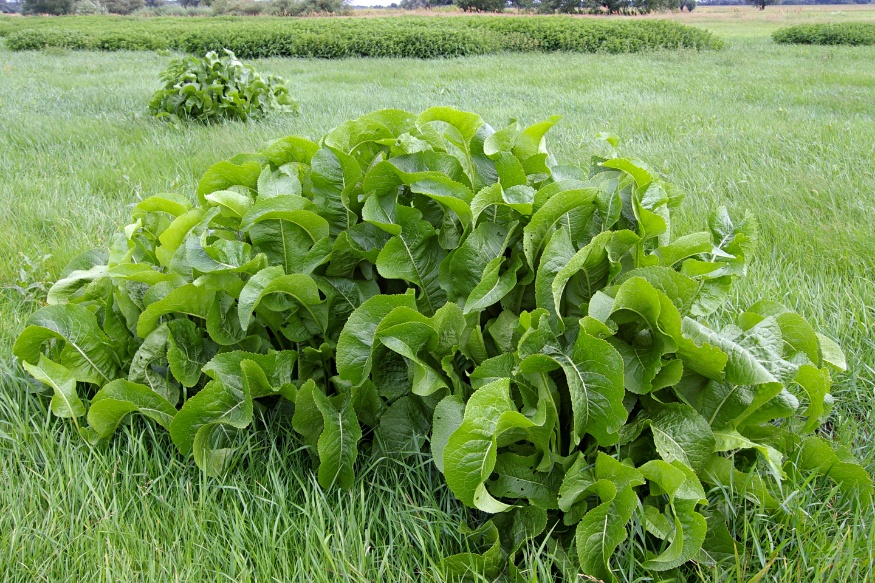
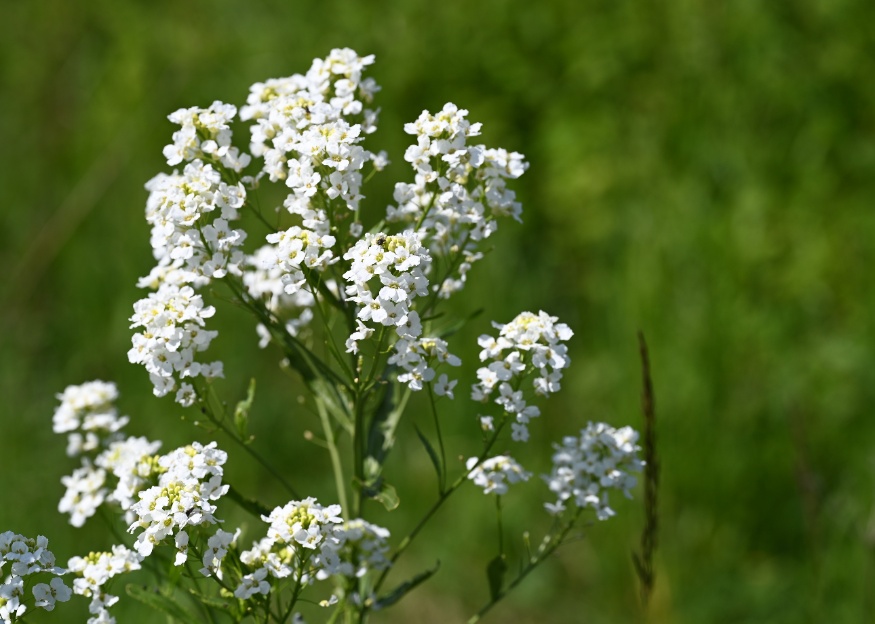
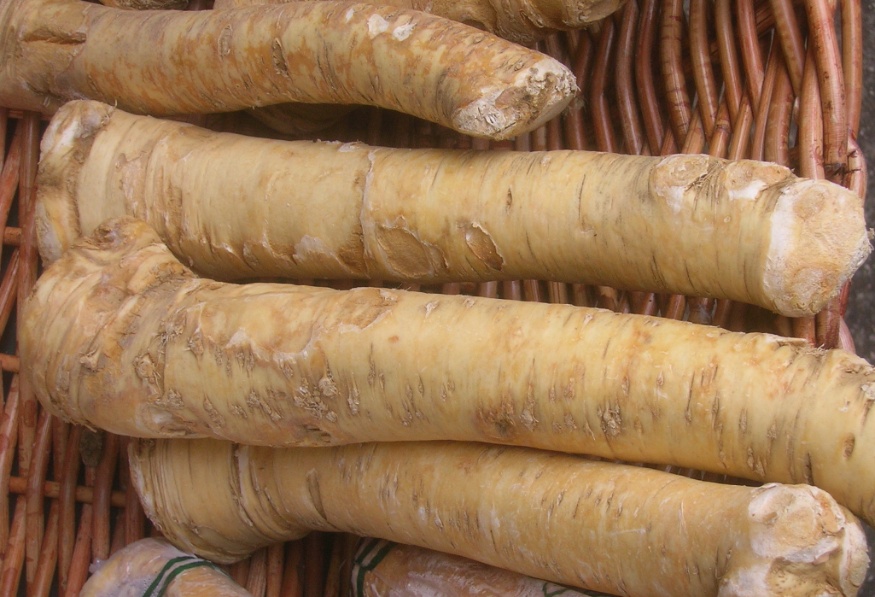
Horseradish (Armoracia rusticana) is a hardy perennial herb best known for its powerful, pungent root. The plant produces large, coarse leaves that rise from a thick underground root system, forming dense clumps in garden settings. During summer, it may send up tall flowering stalks with small white blossoms, though it is primarily cultivated for its root.
Native to Europe and western Asia, horseradish has been widely grown and naturalized in many regions. It thrives in rich, well-drained soil and can be quite vigorous once established. Its ability to regrow from small root fragments makes it both resilient and sometimes difficult to control.
The root contains compounds that release a strong, sharp aroma when grated, a characteristic that has made it a popular culinary ingredient. Traditionally, horseradish has also been valued for its stimulating and warming effects, particularly in supporting the respiratory system.
With its bold flavor and vigorous growth, horseradish remains a distinctive and practical plant in both gardens and traditional herbal practices.
Traditional Use
Folk Use
Chinese Medicine
Combinations
Precautions
| Medicinal Species | Armoracia rusticana |
|---|---|
| Tastes | acrid/pungent |
| Organ Systems | circulatory, digestive, respiratory |
| Thermal Nature | hot |
| Moisture | drying |
| Parts Used | roots |
| Preparations | tincture, vinegar |
| Organs and Tissue | lungs |