About This Plant
Tarragon is a perennial herb known for its distinctive flavor and long history in culinary and medicinal traditions. Native to parts of Eurasia, it has been cultivated widely and is especially associated with European cuisine. Its adaptability allows it to thrive in a range of temperate environments.
In the wild, tarragon can be found growing in open, dry areas such as hillsides and grasslands. It prefers well-drained soils and full sun, where it can establish deep roots and withstand periods of drought.
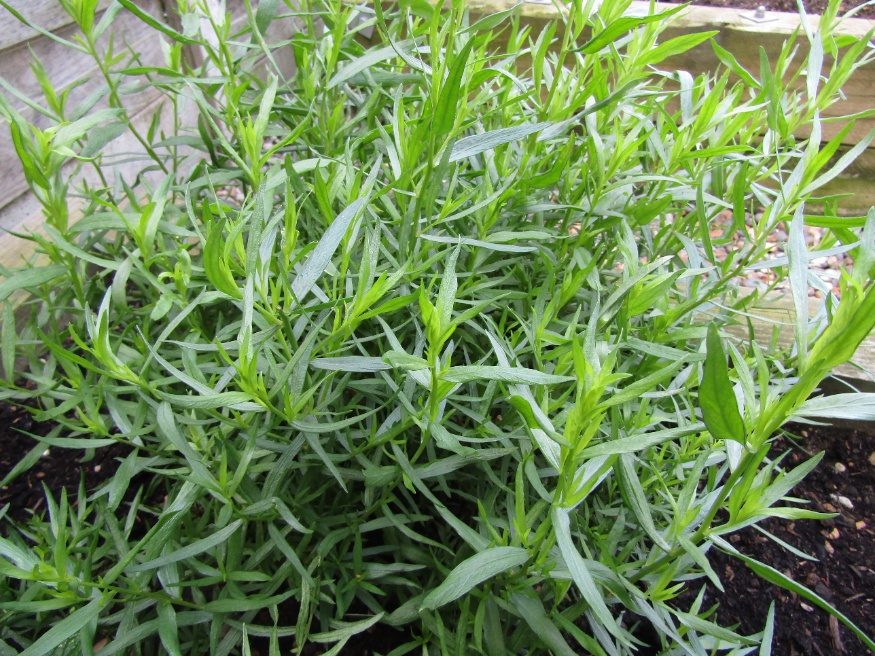
The plant grows upright with slender stems and narrow, lance-shaped leaves that release a strong, anise-like aroma when crushed. It produces small, inconspicuous flowers, though many cultivated varieties rarely flower or set seed.
Historically, tarragon has been used both as a culinary herb and for medicinal purposes. Its name is derived from the Latin word for “little dragon,” possibly referencing the shape of its roots or its once-believed ability to treat snake bites.
Medicinally, tarragon is valued primarily for its effects on digestion and appetite. It helps stimulate digestive secretions and can ease discomfort associated with sluggish digestion. While its primary role today is culinary, it continues to hold a place as a supportive herb in traditional practices.
Traditional Use
Folk Use
Tarragon has been used traditionally as a digestive aid, helping to stimulate appetite and relieve bloating or gas. It has also been used for mild nervous system support, particularly where tension affects digestion.
In some traditions, tarragon was used as a mild sedative and to support sleep. It was also applied externally for minor wounds and irritations. Its aromatic qualities made it a valued culinary herb as well as a medicinal one.
Chinese Medicine
Though not part of classical Chinese materia medica, tarragon can be understood as warming and moving, helping to stimulate digestion and circulation of qi. It is useful in conditions of cold digestion and stagnation.
Special Chemistry
Tarragon contains essential oils including estragole and other aromatic compounds that contribute to its digestive and mildly calming effects.
Signature
The narrow, lance-like leaves and aromatic profile reflect its focused action on digestion and movement within the body.
Combinations
Often combined with other Artemisia species such as wormwood for digestive stimulation, though in smaller amounts.
Precautions
Excessive use may cause irritation due to concentrated volatile oils. Use in moderation, especially in medicinal doses.
| Medicinal Species | Artemisia dracunculus |
|---|---|
| Tastes | bitter, acrid/pungent |
| Organ Systems | digestive, nervous |
| Thermal Nature | warm |
| Moisture | drying |
| Parts Used | leaves |
| Preparations | vinegar |
| Organs and Tissue | stomach, brain |
Growing Guide
Tarragon is typically propagated by division or cuttings, as many cultivated forms (especially French tarragon) do not produce viable seed. Plant in a sunny location with well-drained soil, as excessive moisture can lead to root problems.
Space plants about 18–24 inches apart to allow for upright growth. Tarragon prefers lighter soils and does not require heavy fertilization. Water moderately, allowing soil to dry slightly between watering.
Prune regularly to encourage fresh growth and prevent legginess. Harvest leaves throughout the growing season, with the best flavor occurring before flowering. Tarragon can be grown in containers, provided drainage is excellent.