About This Plant
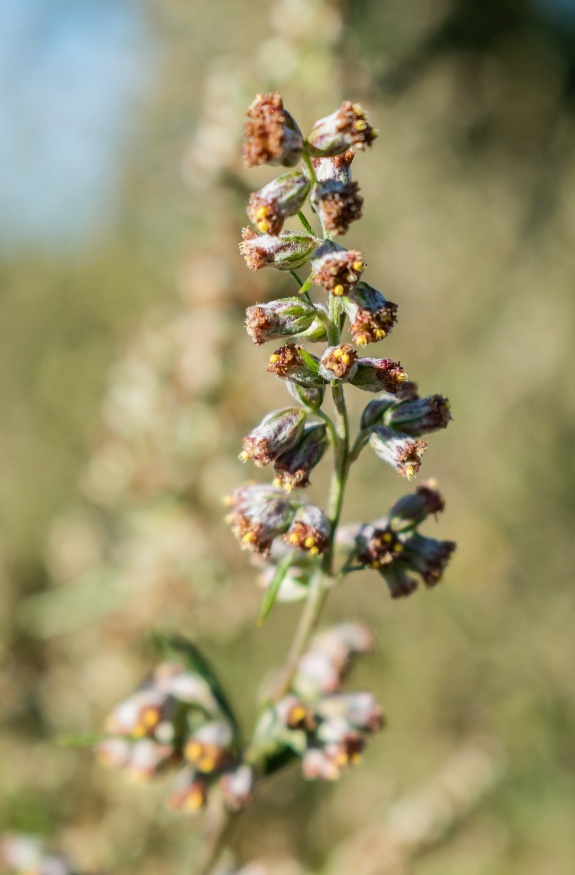
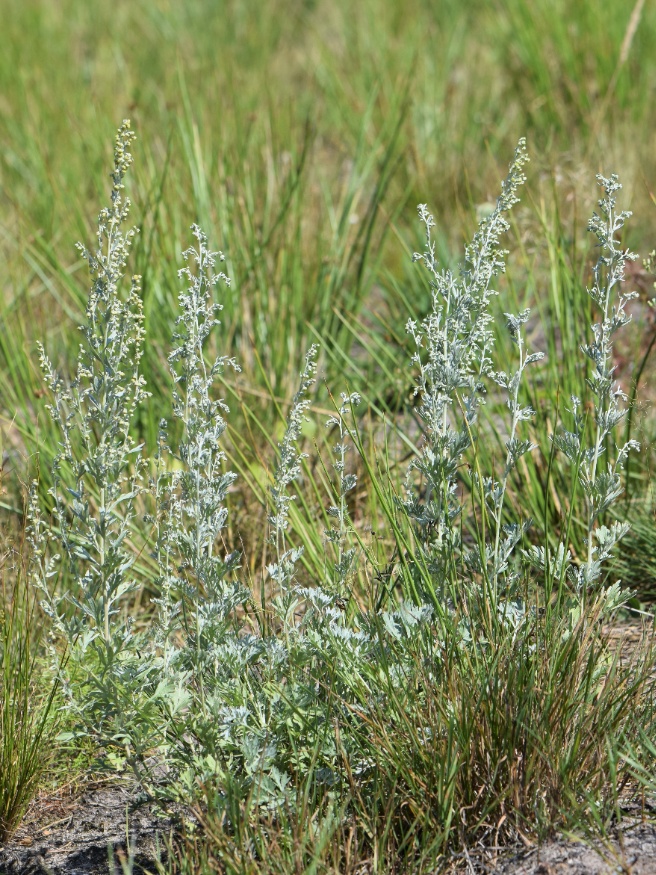
Wormwood (Artemisia absinthium) is a hardy perennial herb known for its silvery gray foliage and intensely bitter taste. The plant forms upright clumps of finely divided leaves that give it a soft, almost velvety appearance in the garden. During summer, slender stems carry clusters of small yellow flowers that sway gently in the breeze.
Native to Europe and western Asia, wormwood thrives in sunny, dry environments where many other herbs struggle. It is well adapted to poor soils and rocky ground, making it a resilient plant in naturalized landscapes and herb gardens. The aromatic leaves release a strong herbal scent when touched, a characteristic that has historically been used to repel insects.
For centuries wormwood has been valued as a medicinal herb that stimulates digestion and appetite. Its bitterness made it a key ingredient in traditional herbal tonics and beverages. Although powerful in flavor, the plant's long cultural history and striking foliage continue to make it a distinctive and memorable presence in both herbal medicine and ornamental plantings.
Traditional Use
Folk Use
Chinese Medicine
Combinations
Precautions
| Medicinal Species | Artemisia absinthium |
|---|---|
| Tastes | bitter |
| Organ Systems | digestive, hepatobiliary (liver & gallbladder) |
| Thermal Nature | warm |
| Moisture | drying |
| Parts Used | leaves, flowers |
| Preparations | extract, tea/infusion, tincture |
| Organs and Tissue | stomach, liver |