About This Plant
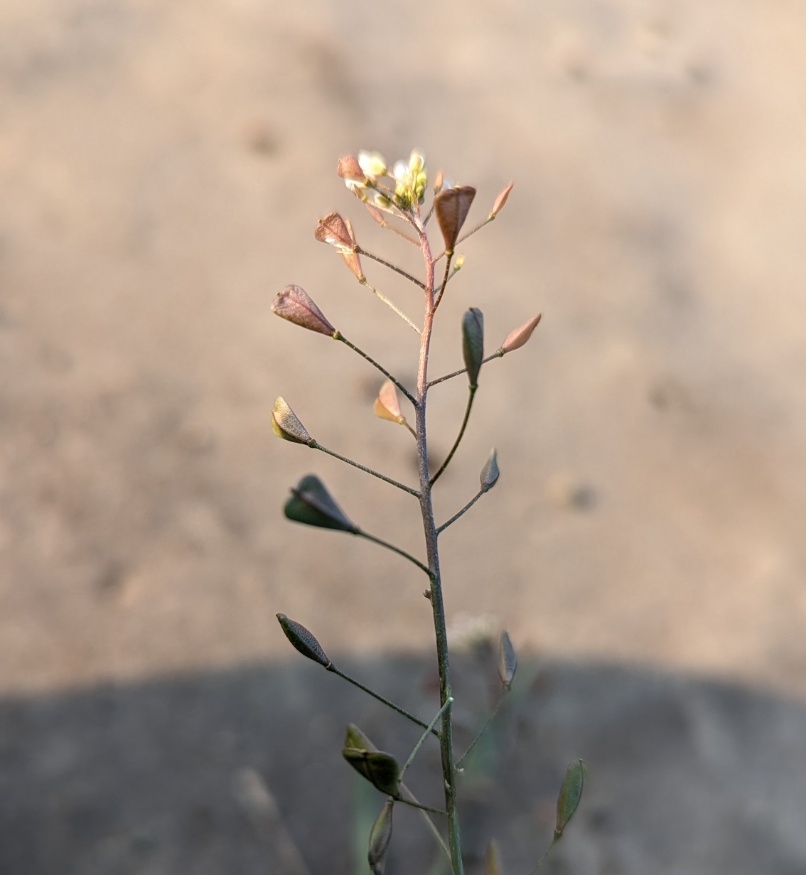
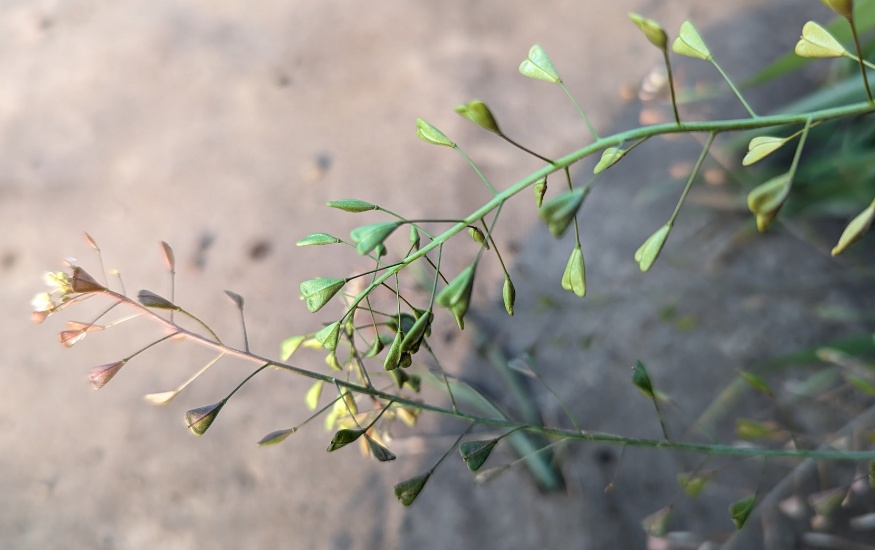
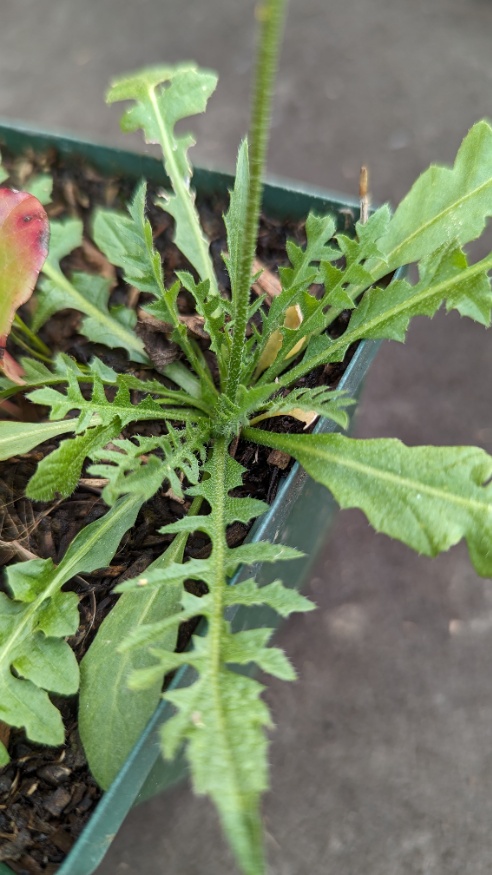
Shepherd’s purse (Capsella bursa-pastoris) is a small annual or biennial plant belonging to the mustard family. It is widely distributed across temperate regions of the world and is commonly found in fields, gardens, roadsides, and disturbed soils. The plant is easily identified by its rosette of basal leaves and its distinctive triangular seed pods, which resemble small purses.
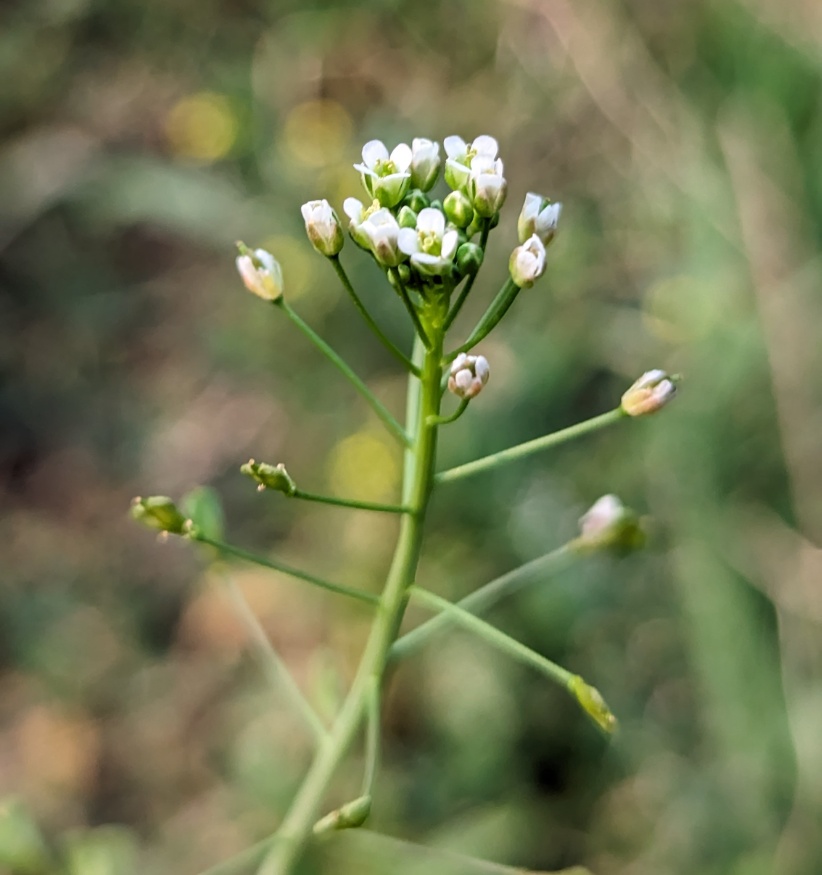
This species is highly adaptable and thrives in a variety of soil types, particularly those that are compacted or disturbed. It produces small white flowers arranged along slender stems, often blooming multiple times throughout the growing season. Shepherd’s purse is considered both a common weed and a valuable medicinal plant.
Historically, shepherd’s purse has been used in traditional herbal medicine systems for centuries. It has gained attention for its role in supporting circulation and managing minor bleeding. The aerial parts of the plant are typically harvested while in flower and used fresh or dried.
Beyond its medicinal uses, shepherd’s purse plays a role in ecological systems as an early colonizer of disturbed ground. It contributes to soil stabilization and provides a food source for insects. Its resilience and rapid life cycle make it a successful and widespread species in many environments.
Traditional Use
Folk Use
Shepherd’s purse has a long history of use in traditional herbal medicine, particularly for supporting circulation and managing bleeding. It has been used to help with minor cuts, nosebleeds, and excessive menstrual flow. The aerial parts are typically prepared as teas, tinctures, or extracts.
In folk traditions, it has also been used to support urinary health and as a general tonic for the blood. Herbalists often value it for its astringent properties, which help tone tissues and reduce fluid loss. It is sometimes combined with other herbs that support circulation or hormonal balance.
Externally, shepherd’s purse preparations have been applied as washes or compresses for minor wounds and skin irritations. Its widespread availability and ease of use have made it a common household remedy in many regions.
Chinese Medicine
In traditional Chinese medicine, shepherd’s purse (known as ji cai) is classified as a cooling herb that helps stop bleeding and clear heat. It is commonly used to address conditions such as bleeding disorders, particularly those associated with heat in the blood.
TCM practitioners may use shepherd’s purse to support digestive and urinary systems, especially in cases involving heat-related imbalances. It is often included in formulations aimed at cooling the blood and promoting circulation without causing stagnation.
Due to its gentle yet effective nature, shepherd’s purse is frequently used in combination with other herbs in classical and modern formulas. It is considered a versatile herb for addressing a range of minor bleeding conditions within the TCM framework.
Special Chemistry
Shepherd’s purse contains bioactive compounds including flavonoids, alkaloids, tannins, and glucosinolates. One of its key compounds, bursic acid, has been associated with its hemostatic (bleeding-reducing) effects. These constituents contribute to its ability to support circulation and tissue tone.
The presence of flavonoids provides antioxidant activity, while tannins contribute to its astringent qualities. Glucosinolates, typical of the mustard family, may also play a role in the plant’s biological activity, though they are present in relatively low concentrations.
Shepherd’s purse is generally considered safe when used in moderate amounts. However, due to its physiological effects on circulation and uterine activity, caution is sometimes advised during pregnancy or in individuals with specific medical conditions.
Signature
Combinations
Precautions
| Medicinal Species | Capsella bursa-pastoris |
|---|---|
| Tastes | bitter, astringent |
| Organ Systems | circulatory, urinary, reproductive |
| Thermal Nature | cool |
| Moisture | drying |
| Parts Used | stems, leaves, seeds |
| Preparations | extract, tea/infusion, tincture, wash |
| Organs and Tissue | gonad, blood |
Growing Guide
Shepherd’s purse is easy to grow and often self-seeds readily in suitable environments. It prefers full sun to partial shade and thrives in well-drained soils, though it can tolerate a wide range of soil conditions, including poor and compacted ground. It is commonly found in temperate climates and can grow in both cultivated gardens and wild areas.
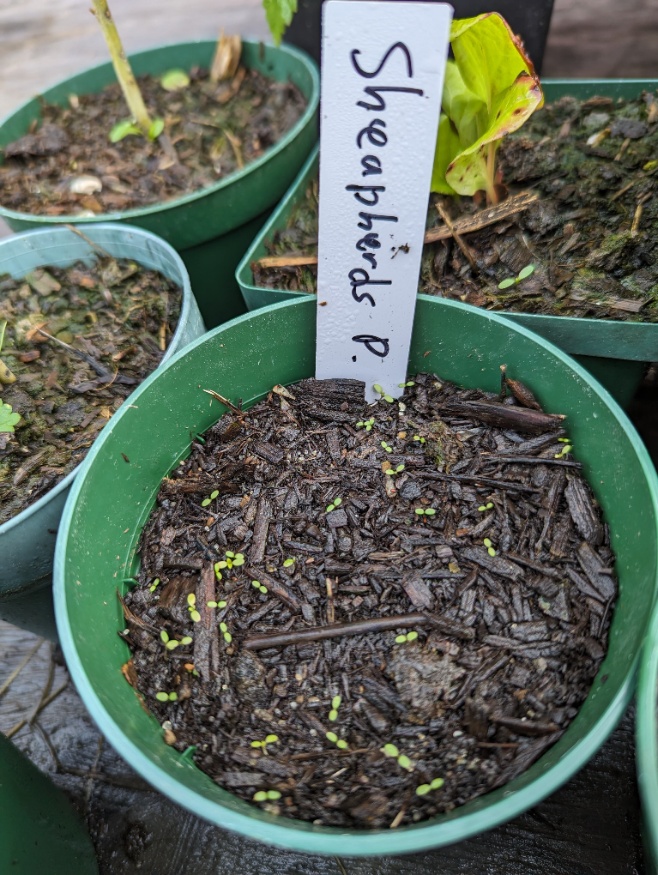
Propagation is typically achieved through direct seeding. Seeds can be sown in early spring or fall, either broadcast or lightly pressed into the soil surface, as they require light for germination. Once established, the plant grows quickly and completes its life cycle within a single season or over winter as a rosette before flowering in the following year.
Minimal maintenance is required for shepherd’s purse. It is drought-tolerant once established and does not require fertilization. In garden settings, it may spread readily, so management may be necessary to prevent it from becoming invasive. It can be incorporated into wild gardens or used in herbal cultivation plots where self-sustaining annuals are desired.