About This Plant
Russian sage is a hardy perennial subshrub known for its aromatic foliage and long-lasting blooms. Native to central Asia, it has become a popular ornamental plant in dry gardens and landscapes due to its resilience and extended flowering period.
In its natural environment, it grows on open hillsides and rocky terrain where soils are well-drained and moisture is limited. It is well adapted to harsh conditions, including heat, drought, and poor soils, making it a reliable plant in challenging environments.
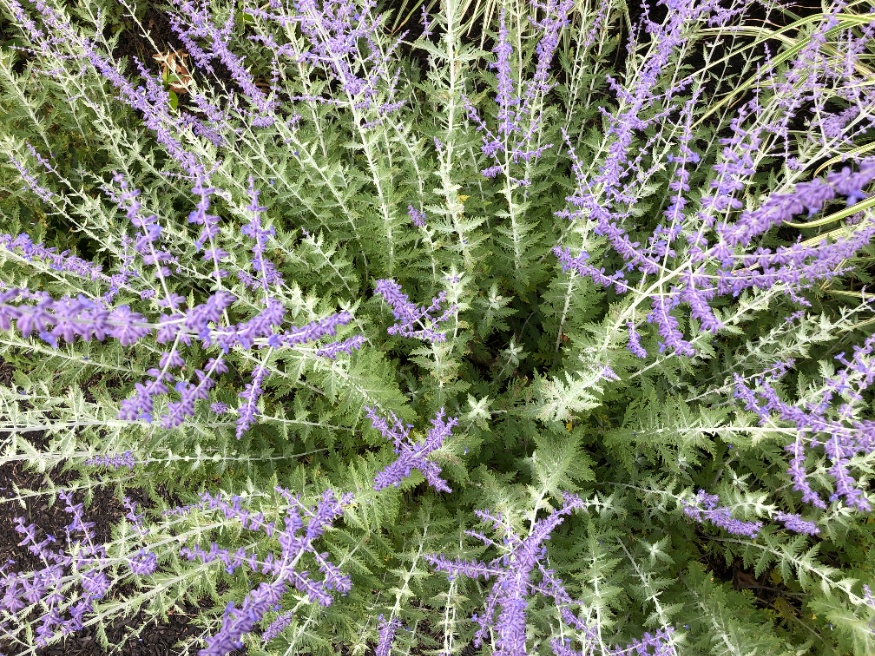
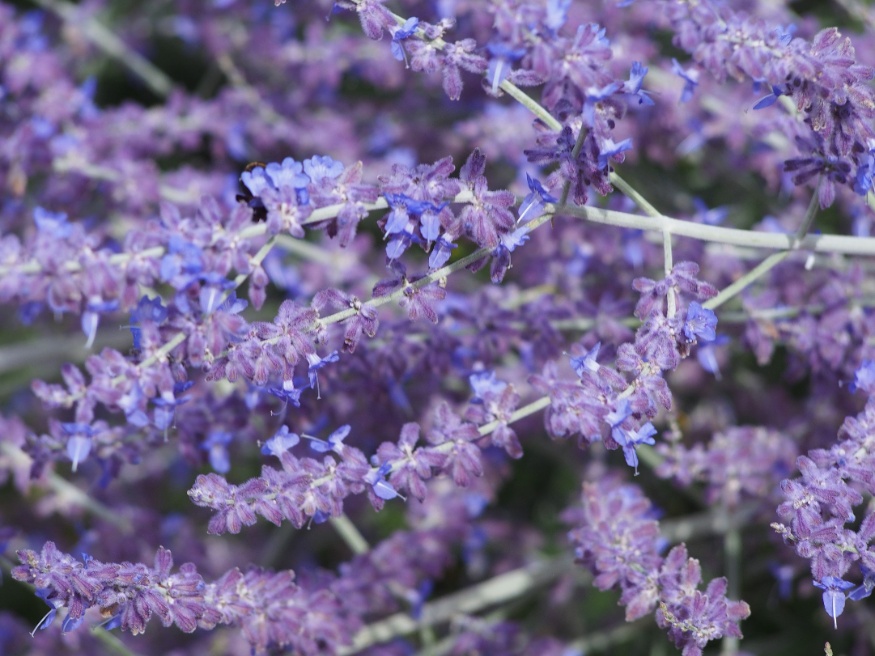
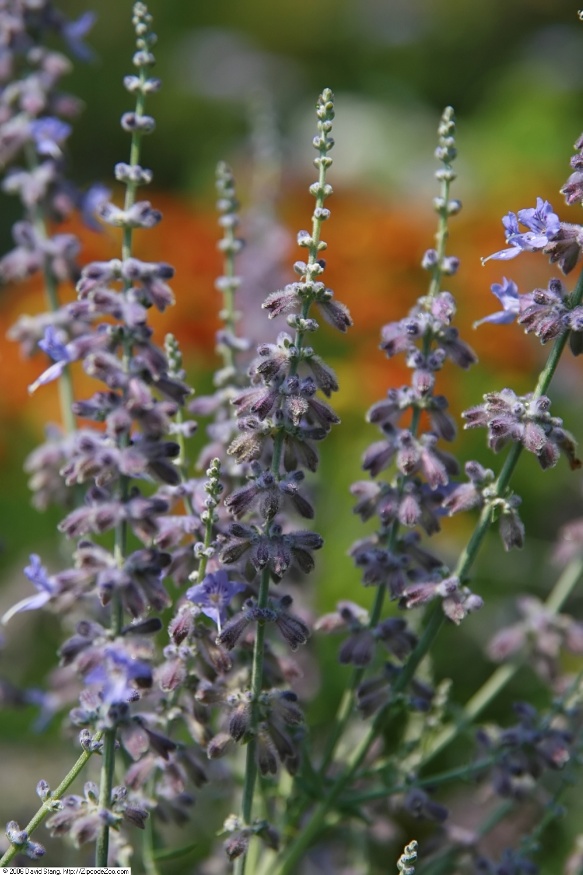
The plant produces tall, airy stems lined with finely divided, silvery-gray leaves. During the growing season, it is covered in spikes of small lavender-blue flowers that attract pollinators. Its open structure and long bloom time make it a valuable addition to landscape designs focused on texture and seasonal interest.
Historically, Russian sage has been used more for ornamental and aromatic purposes than as a primary medicinal herb. However, like other members of the Salvia genus, it contains compounds that support its traditional use for digestion and respiratory health.
While its medicinal use is less prominent, Russian sage remains an important plant for pollinators and sustainable landscaping. Its tolerance for dry conditions and minimal care requirements make it a practical choice for low-water gardens and naturalized plantings.
Traditional Use
Folk Use
Russian sage has been used in traditional practices primarily for its aromatic and mildly stimulating properties. It has been used in infusions to support digestion and respiratory function, particularly where there is stagnation or mild congestion.
The plant has also been valued for its insect-repelling qualities and has been used in dried bundles or smudging practices. While not as widely used medicinally as other Salvia species, it shares some of the general characteristics of the genus.
Chinese Medicine
Russian sage is not a classical Chinese medicinal herb, but its properties can be compared to warming, aromatic herbs that move qi and dispel dampness. It may support lung and digestive function where cold and stagnation are present.
Special Chemistry
The plant contains aromatic volatile oils and terpenoids typical of the Salvia genus, contributing to its scent and mild antimicrobial activity.
Signature
The silvery foliage and strong aromatic presence suggest its affinity for dryness, heat, and movement within the body.
Combinations
Can be combined with other aromatic herbs such as sage for respiratory and digestive support.
Precautions
Not widely used medicinally; use conservatively until more is understood about dosage and effects.
| Medicinal Species | Salvia yangii |
|---|---|
| Tastes | bitter, acrid/pungent |
| Organ Systems | digestive, respiratory |
| Thermal Nature | warm |
| Moisture | drying |
| Parts Used | leaves, flowers |
| Preparations | tea/infusion, tincture |
| Organs and Tissue | lungs, stomach |
Growing Guide
Russian sage is best grown in full sun with sharply drained soil. It tolerates poor, sandy, or rocky soils and performs well in dry conditions. Seeds can be sown after cold stratification, though propagation by cuttings or division is more reliable.
Space plants 2–3 feet apart to allow for their spreading habit. Water regularly during establishment, but once established, the plant is highly drought tolerant and prefers minimal watering.
Prune back in early spring to encourage new growth and maintain shape. Avoid overly rich soils, which can cause excessive growth and reduced flowering. Russian sage is well suited for xeriscaping and low-maintenance plantings.