About This Plant
Mallow refers to a group of soft, leafy herbs in the Malva genus, known for their gentle medicinal qualities and attractive, often pastel-colored flowers. These plants are typically low-growing to moderately upright, with rounded, lobed leaves and delicate blossoms that range from pale pink to purple. Their understated beauty and usefulness have made them a familiar presence in both wild and cultivated landscapes.
Species such as Malva sylvestris and Malva neglecta are commonly found across Europe and Asia, and have naturalized widely in North America. They thrive in disturbed soils, roadsides, gardens, and open meadows, often appearing where the soil has been recently turned. Their adaptability allows them to flourish in a variety of conditions, from fertile garden beds to poorer soils.
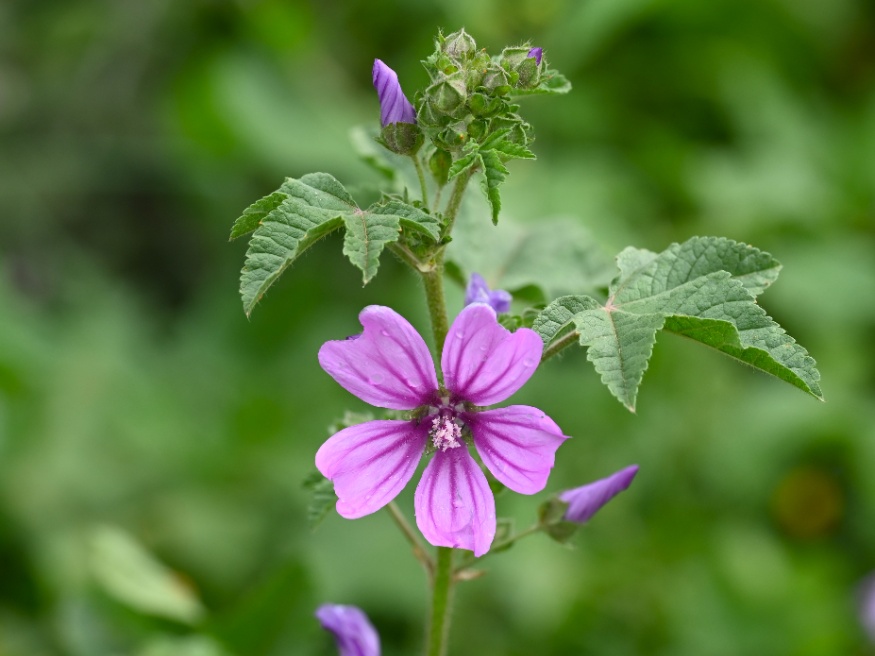
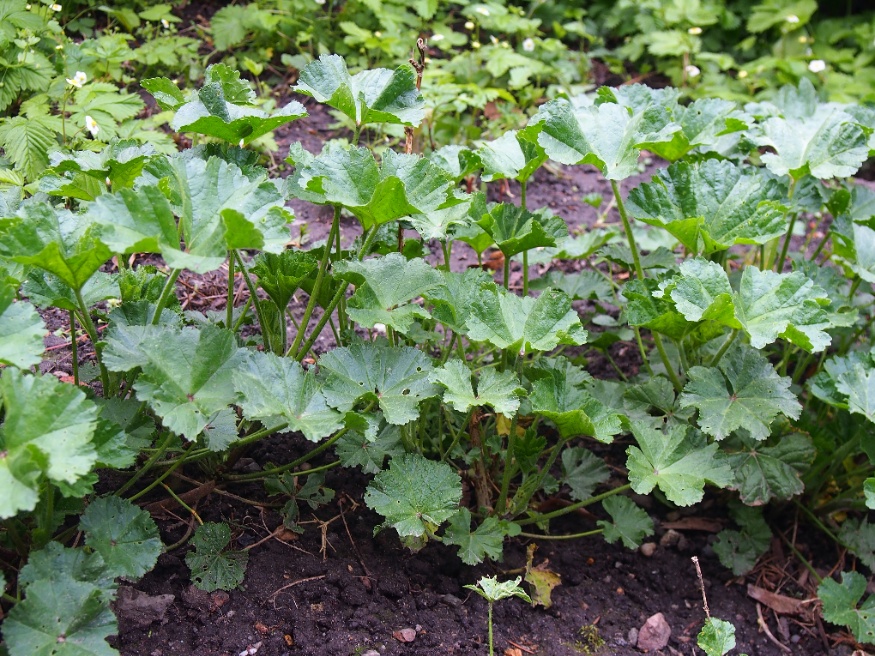
Mallow is easily identified by its characteristic leaves, which are round with shallow lobes, and its five-petaled flowers with visible veins radiating outward. The plant tends to grow in a loose, spreading form, sometimes forming small patches where conditions are favorable.
Historically, mallow has been used as both a food and a medicine. Ancient cultures valued it for its soothing effects and included it in a variety of preparations. The leaves and young shoots have been eaten as a mild, nutritious green, while the flowers were often used decoratively or medicinally.
Medicinally, mallow is prized for its demulcent action, helping to soothe irritation in the throat, lungs, digestive tract, and skin. Teas and infusions are commonly used for coughs and digestive discomfort, while topical applications help calm inflammation. Though mild in action, its versatility and safety make it a valuable plant in traditional herbal practice.
Traditional Use
Folk Use
Mallow has a long history as a soothing medicinal herb, valued across many traditional systems for its demulcent properties. The leaves, flowers, and roots are rich in mucilage, which helps coat and protect irritated tissues. It has been commonly used for dry coughs, sore throats, and digestive irritation.
In European herbal traditions, mallow was often prepared as a tea or cold infusion to preserve its mucilaginous qualities. It was also used externally as a poultice or wash for inflamed skin, wounds, and minor burns. Its gentle nature made it suitable for children and sensitive individuals.
Mallow is frequently compared to marshmallow, which shares similar soothing properties. While slightly milder, mallow remains a valuable herb for calming inflammation in both internal and external applications.
Chinese Medicine
Mallow is not a traditional herb in Chinese medicine, but its moistening and cooling nature aligns with herbs that nourish yin and clear heat. Its demulcent properties suggest an ability to soothe dryness in the lungs and digestive tract.
In a comparative framework, it may function similarly to herbs that moisten dryness and relieve irritation, particularly in conditions characterized by dry cough, thirst, or inflamed mucosa. It could also be considered supportive for urinary tract irritation due to its soothing effects.
Although not commonly used in classical formulas, mallow fits well within herbal systems that emphasize moistening and protection of tissues.
Special Chemistry
Mallow contains high levels of mucilage polysaccharides, along with flavonoids and tannins. These compounds contribute to its soothing, anti-inflammatory, and protective effects on mucous membranes.
Signature
The soft, moist texture of mallow leaves and their ability to become slippery when crushed reflect the plant’s soothing and moistening action on tissues.
Combinations
Mallow combines well with marshmallow and mullein for respiratory and digestive support, enhancing demulcent and soothing effects.
Precautions
Mallow is generally considered very safe. Its mucilage may slow the absorption of medications if taken at the same time, so spacing doses is recommended.
| Medicinal Species | Malva sylvestris, Malva neglecta |
|---|---|
| Tastes | sweet, bland |
| Organ Systems | digestive, respiratory, urinary, integumentary (skin, hair, nails) |
| Thermal Nature | cool |
| Moisture | moistening |
| Parts Used | roots, leaves, flowers |
| Preparations | decoction, tea/infusion, wash, compress |
| Organs and Tissue | lungs, stomach, bladder, mucosa |
Growing Guide
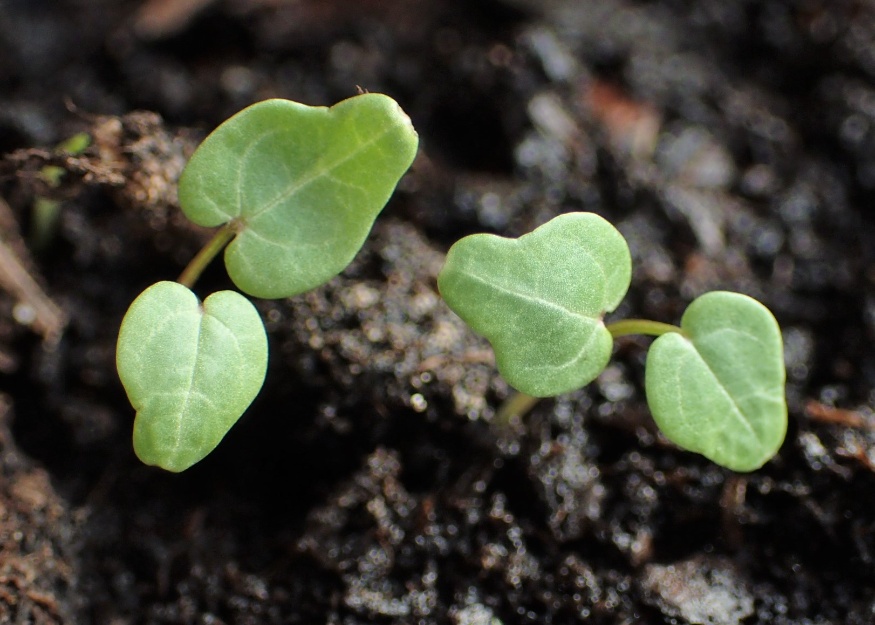
Mallow is an easy-to-grow plant that thrives in a wide range of conditions, making it suitable for both cultivated gardens and naturalized settings. Seeds can be sown directly outdoors in spring or fall, with cold moist stratification improving germination rates in some species. Once established, mallow readily self-seeds and may spread naturally in suitable environments.
This plant prefers full sun to partial shade and grows best in moderately fertile, well-drained soils, though it tolerates poorer conditions as well. Regular watering will support lush growth, but mature plants are fairly resilient and can tolerate short periods of dryness.
Mallow requires minimal care. Occasional pruning can encourage bushier growth and prolong flowering. Because of its tendency to self-seed, managing seed heads may be necessary to control its spread. It is generally resistant to pests and diseases, making it a reliable and low-maintenance addition to herb gardens.