About This Plant
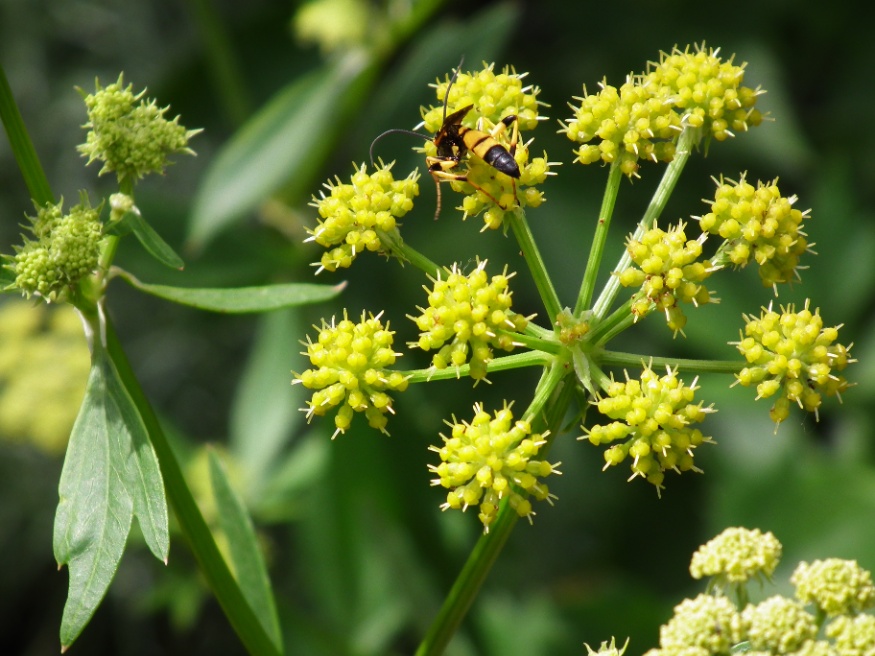
Lovage is a tall, striking perennial herb known for its bold presence and strong, celery-like aroma. Growing up to several feet in height, it produces hollow stems topped with umbels of small yellow-green flowers, giving it a somewhat wild and architectural appearance in the garden. Though less commonly cultivated today, it has a long history as both a food and medicine.
Native to southern Europe, lovage has been widely cultivated and naturalized across temperate regions. It thrives in rich soils along forest edges, garden beds, and disturbed sites where moisture is available but drainage remains adequate. Its ability to return year after year from a deep rootstock makes it a reliable perennial in cooler climates.
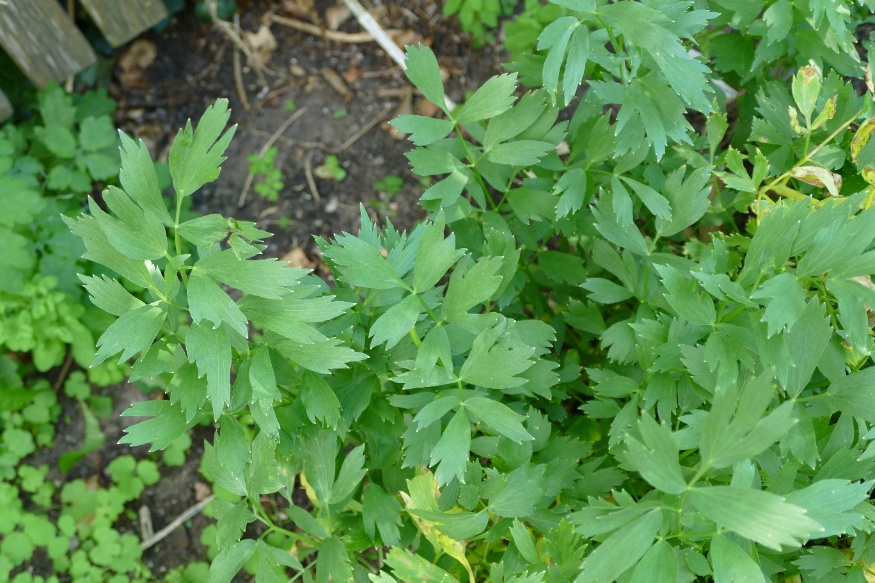
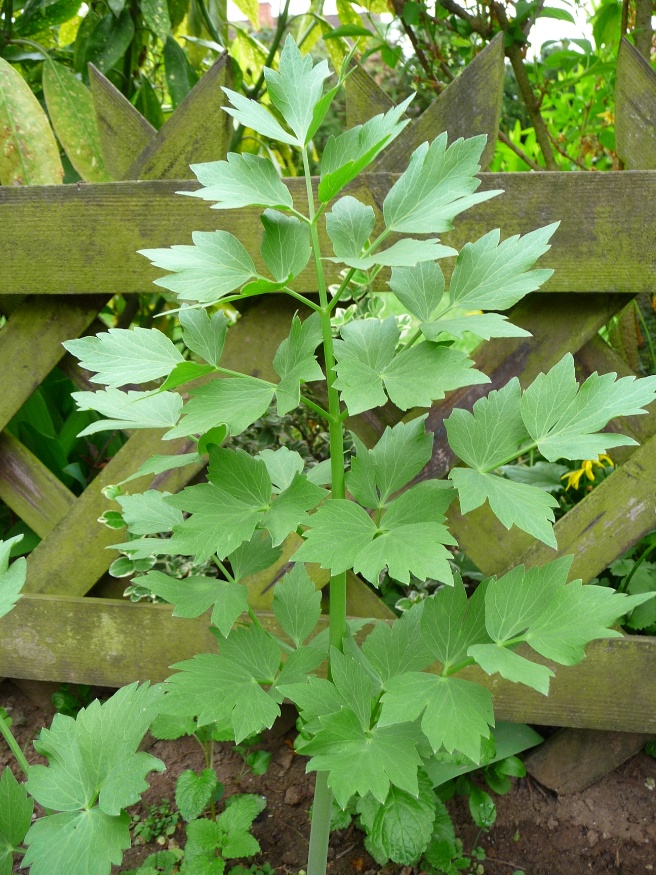
Identification is aided by its large, divided leaves that resemble those of celery or parsley, along with its height and umbrella-like flower clusters typical of the carrot family. The entire plant is aromatic, with a strong scent that intensifies when the leaves are crushed.
Historically, lovage was a valued herb in monasteries and traditional European households, where it was used extensively in soups, broths, and tonics. It was believed to strengthen the body and support digestion, and it often appeared in early herbal texts as a remedy for a variety of ailments.
Today, lovage remains both a culinary and medicinal plant. The leaves, stems, and seeds can all be used to flavor foods, while the root is more commonly used in herbal preparations. Medicinally, it acts as a digestive stimulant and mild diuretic, supporting the kidneys and gastrointestinal system. Though strong in flavor, small amounts go a long way, making it a potent addition to both kitchen and apothecary.
Traditional Use
Folk Use
Lovage has been used since ancient times as both a culinary and medicinal herb. Its strong, celery-like flavor made it a staple in traditional European cooking, while its medicinal properties were valued for digestive and urinary support. The plant was often used in broths and tonics to strengthen the body and stimulate appetite.
In herbal practice, lovage has been used as a carminative to relieve gas and bloating, as well as a mild diuretic to support kidney and urinary tract health. Decoctions of the root were commonly prepared for these purposes, while the leaves were used more frequently in food.
It was also considered a warming herb that could help invigorate the system, especially during colder months. Though less prominent today, it remains a useful traditional herb with both culinary and medicinal applications.
Chinese Medicine
Lovage is not traditionally part of Chinese herbal medicine, though it bears some resemblance in function to warming, aromatic herbs that move qi and support digestion. Its pungent and slightly bitter qualities suggest an ability to disperse stagnation and promote circulation.
In a comparative sense, it may be viewed as supporting the spleen and kidney systems, particularly where cold and dampness are present. Its diuretic action aligns with herbs that promote fluid metabolism and reduce accumulation.
While not used in classical formulas, its energetic profile makes it adaptable within broader herbal traditions that emphasize warming and movement.
Special Chemistry
Lovage contains essential oils rich in phthalides and terpenes, contributing to its aromatic qualities and digestive-stimulating effects. It also contains coumarins, which may influence circulation.
Signature
The tall, vigorous growth and strong aroma of lovage reflect its stimulating and warming nature. Its hollow stems and expansive leaves suggest movement and circulation throughout the body.
Combinations
Precautions
Lovage may increase sensitivity to sunlight in some individuals and should be used cautiously by those with kidney disorders. It is not recommended during pregnancy due to its stimulating effects.
| Medicinal Species | Levisticum officinale |
|---|---|
| Tastes | bitter, acrid/pungent |
| Organ Systems | digestive, urinary |
| Thermal Nature | warm |
| Moisture | drying |
| Parts Used | roots, leaves, seeds |
| Preparations | decoction, tea/infusion, tincture |
| Organs and Tissue | stomach, kidneys |
Growing Guide
Lovage is a robust perennial that grows best in rich, moist soils with good drainage. Seeds benefit from cold moist stratification and can be sown outdoors in early spring or started indoors and transplanted once established. Germination can be somewhat irregular, so patience is required.
The plant prefers full sun to partial shade and will grow quite large when given adequate space and nutrients. Regular watering is important, especially during dry periods, as lovage does not tolerate prolonged drought well. Adding compost or organic matter will support its vigorous growth.
Lovage can be divided every few years to maintain plant health and propagate new individuals. Removing flower stalks can encourage leaf production, though allowing the plant to flower will attract pollinators and provide seeds for future planting.