About This Plant
Hyssop (Hyssopus officinalis) is a fragrant, upright perennial herb known for its narrow leaves and spikes of blue to purple flowers. With a long history of use in both medicine and ritual, it has been valued since ancient times for its cleansing and strengthening qualities.
Native to southern Europe and parts of Asia, hyssop thrives in dry, sunny environments such as rocky slopes and hillsides. It prefers well-drained soils and is well adapted to drought conditions, making it a resilient and reliable garden plant.
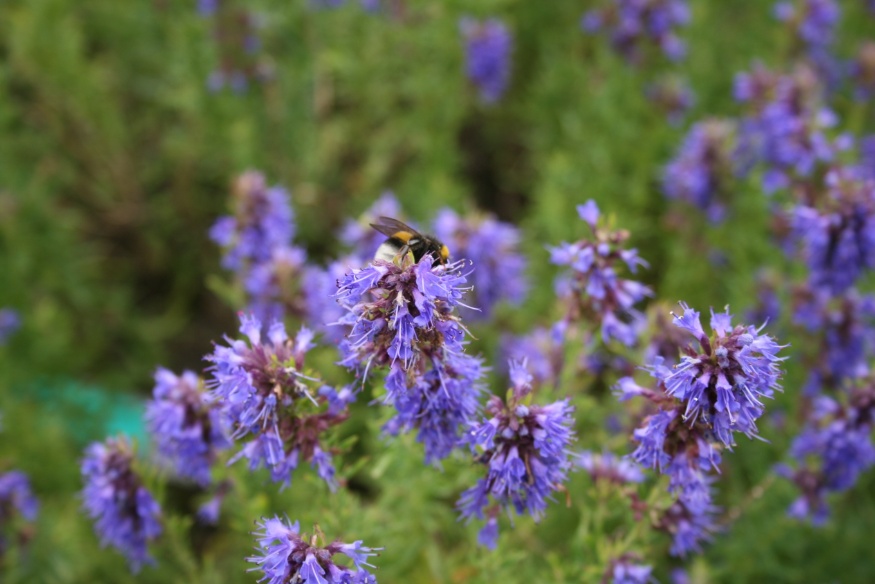
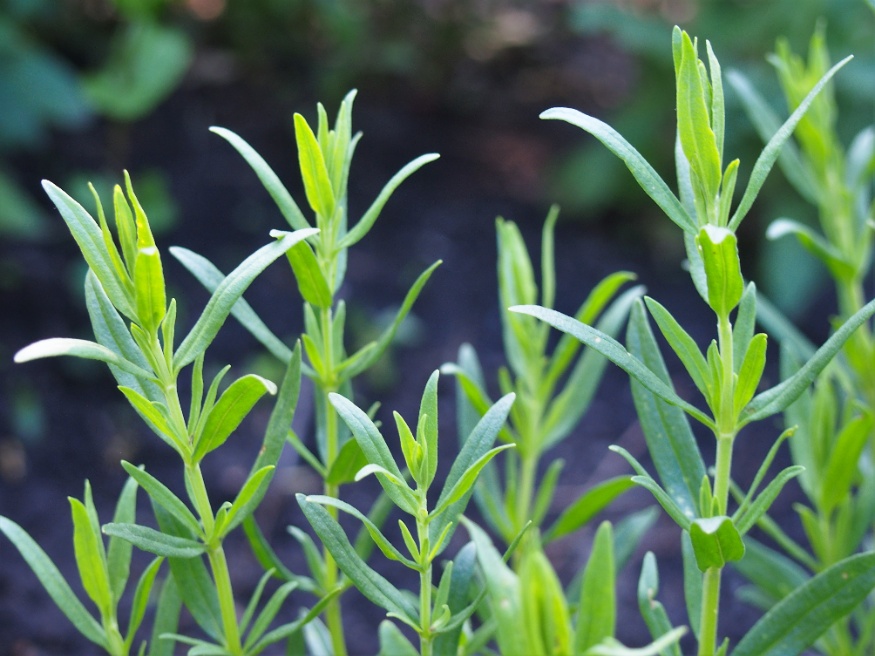
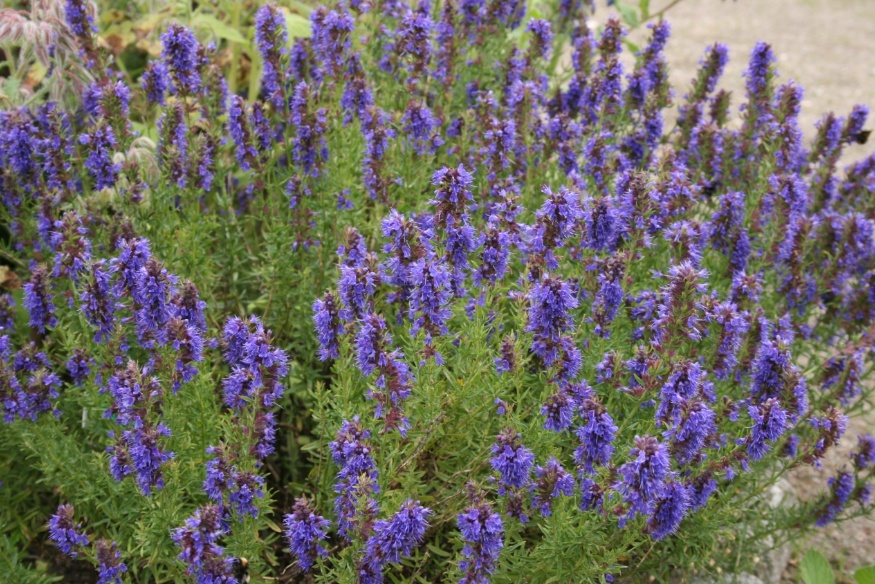
The plant is easily recognized by its woody base, slender stems, and aromatic leaves. In summer, it produces dense spikes of small tubular flowers that attract bees and other pollinators. Its strong, slightly bitter aroma is characteristic and has been used in both culinary and medicinal preparations.
Historically, hyssop has held a place of importance in many cultures. It has been associated with purification and protection, often used in rituals and traditional practices. Its medicinal uses have focused primarily on the respiratory and digestive systems.
Medicinally, hyssop is valued for its ability to clear congestion from the lungs and support digestion. It is often prepared as a tea or syrup to help with coughs, colds, and sluggish digestion. Its warming nature makes it particularly useful in cold, damp conditions. While potent, it is best used in moderation, as its strong compounds can be overstimulating in large amounts.
Traditional Use
Folk Use
Hyssop has been used since ancient times as a cleansing and protective herb. Traditionally, it has been valued for its effects on the respiratory system, helping to clear mucus and ease coughs and congestion.
It has also been used to stimulate digestion and improve appetite, particularly in cases of sluggish digestion. Its warming and aromatic qualities make it useful in cold conditions and for supporting overall vitality.
Hyssop has held symbolic importance as well, often associated with purification in historical and spiritual traditions.
Chinese Medicine
Hyssop is not commonly used in traditional Chinese medicine, but its properties resemble warming, drying herbs that disperse cold and dampness. It supports the lungs and digestion, particularly where there is cold congestion.
Special Chemistry
Hyssop contains essential oils, including pinocamphone, along with tannins and flavonoids. These compounds contribute to its expectorant and antimicrobial properties.
Signature
The plant's strong aroma and upright growth reflect its ability to lift and clear stagnation, particularly in the lungs and chest.
Combinations
Precautions
Hyssop should be used in moderation, as high doses or concentrated essential oil can be toxic. It should be avoided during pregnancy and in individuals prone to seizures.
| Medicinal Species | Hyssopus officinalis |
|---|---|
| Tastes | bitter, acrid/pungent |
| Organ Systems | digestive, respiratory, nervous |
| Thermal Nature | warm |
| Moisture | drying |
| Parts Used | leaves, flowers |
| Preparations | tea/infusion, tincture, syrup |
| Organs and Tissue | lungs, stomach, mucosa |
Growing Guide
Hyssop is a hardy perennial herb that prefers full sun and well-drained soils. It thrives in dry, sandy, or slightly alkaline conditions and is highly drought tolerant once established. It is well suited to herb gardens and pollinator plantings.
Seeds can be sown indoors in early spring or directly outdoors after the last frost. Germination typically occurs within one to three weeks. The plant can also be propagated by division or cuttings.
Regular pruning encourages bushier growth and prolongs flowering. Hyssop is relatively low maintenance and resistant to pests and disease, making it a reliable garden plant.