About This Plant
Horehound is a hardy perennial herb recognized for its soft, woolly leaves and clusters of small white flowers that form in whorls along square stems. A member of the mint family, it carries a distinctly bitter aroma rather than the more familiar sweet scent of many of its relatives. Its resilience and adaptability have allowed it to naturalize widely beyond its native range.
Originally native to Europe and parts of Asia, horehound has spread throughout North America, where it thrives in dry, open environments. It is commonly found along roadsides, in pastures, and in disturbed soils where few other plants compete successfully. Its preference for poor, well-drained soils and full sunlight makes it a characteristic species of rugged, exposed landscapes.
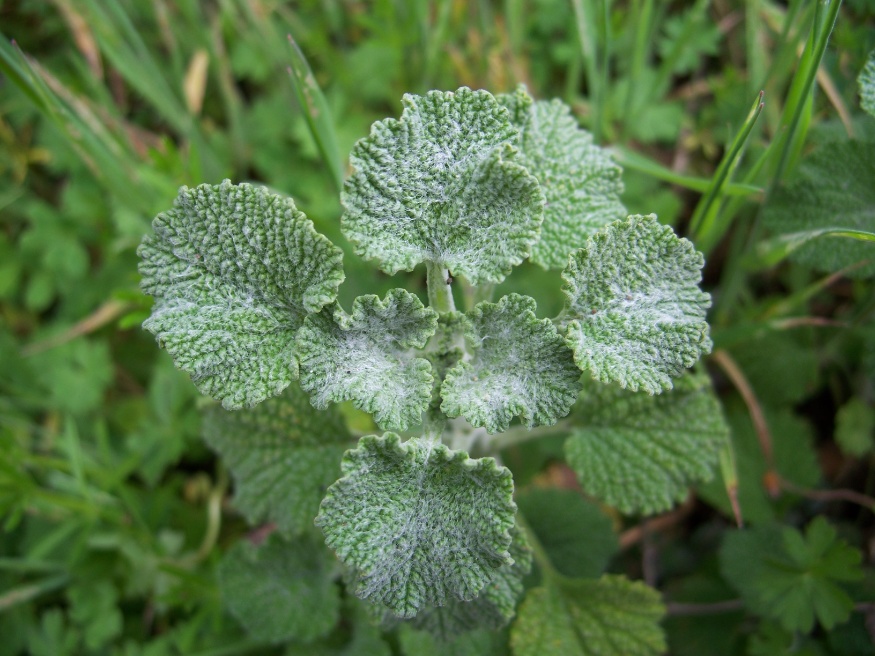
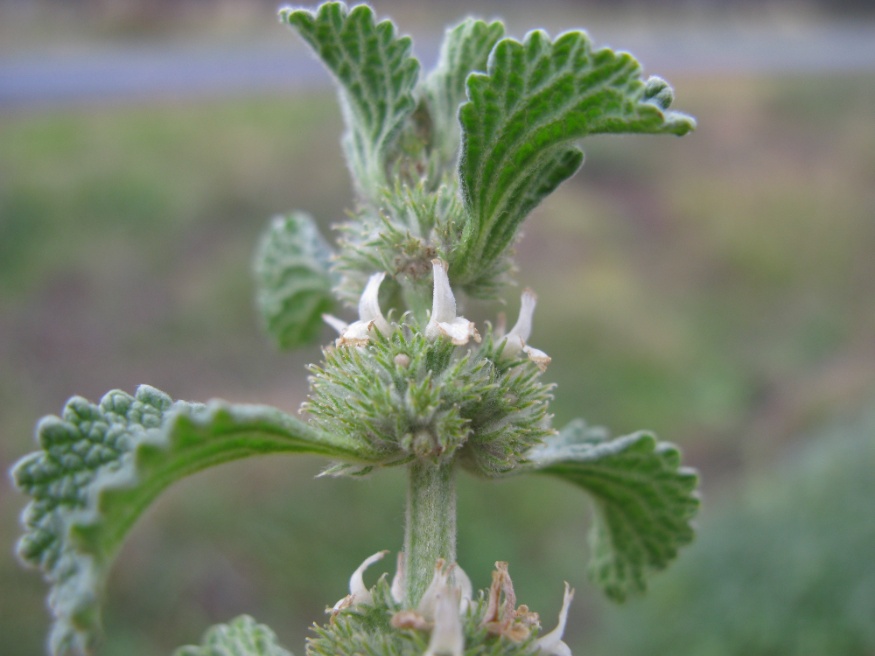
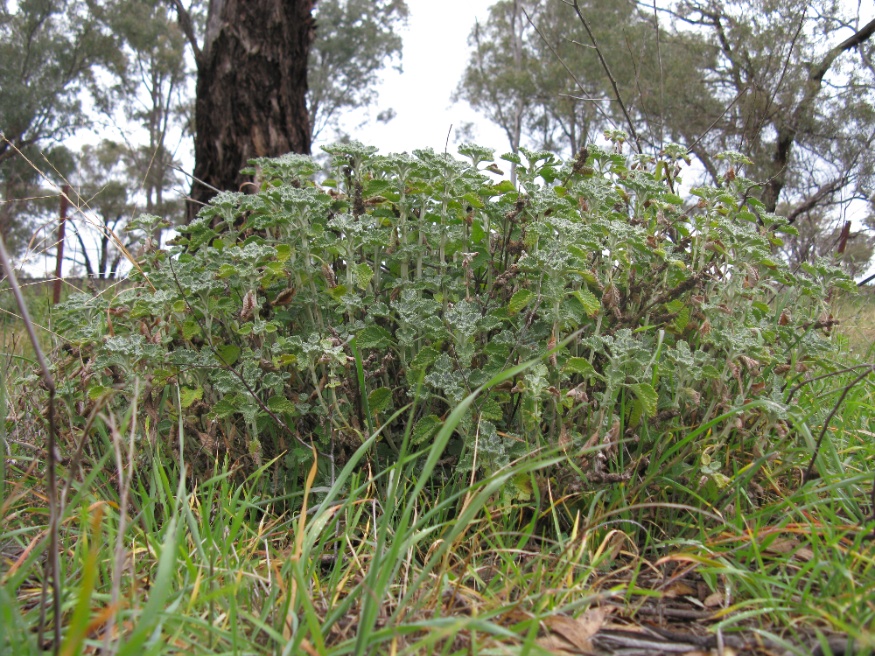
Identification is relatively straightforward. The plant grows low and bushy, with crinkled, grey-green leaves covered in fine hairs that give them a soft texture. The stems are square, typical of the mint family, and the flowers appear as small, tubular white blooms clustered tightly at the leaf nodes. Unlike many mints, it does not spread aggressively through runners but may self-seed readily.
Historically, horehound has been valued as both a medicinal herb and a traditional remedy for respiratory ailments. It was widely used in Europe for centuries and later adopted into North American herbal practice. Its inclusion in candies and syrups made it a familiar household remedy, especially for soothing coughs and sore throats.
Medicinally, horehound is best known as a bitter expectorant. It helps loosen and expel mucus from the lungs while also stimulating digestion through its intensely bitter compounds. Preparations such as teas, tinctures, and syrups are commonly used, often in combination with herbs like mullein to balance its drying action. Though less common as a food, its leaves have occasionally been used in small amounts to flavor beverages or herbal confections.
Traditional Use
Folk Use
Horehound has a long tradition in European and North American herbalism, particularly as a remedy for respiratory conditions. It is most famously used in horehound candy and syrups, valued for soothing coughs, loosening mucus, and easing irritation in the throat and lungs. Its bitter compounds stimulate digestion and have historically been used to improve appetite and relieve indigestion.
In folk medicine, horehound was often prepared as a strong infusion or syrup for chronic coughs, bronchitis, and asthma. It was also used to support liver function and promote bile flow, aligning it with other bitter digestive herbs. Though less commonly used today, it still appears in traditional herbal cough formulas alongside plants like mullein for its complementary respiratory benefits.
The plant's bitterness also gave it a role in tonics and bitters, where it was taken in small amounts to stimulate digestive secretions and improve overall gastrointestinal function.
Chinese Medicine
Horehound is not a traditional herb in classical Chinese medicine, but its actions can be loosely compared to herbs that transform phlegm and descend lung qi. Its bitter and slightly warming nature aligns with herbs that dry dampness and support the lungs, particularly in cold, damp respiratory conditions.
In a modern integrative context, horehound could be viewed as functioning similarly to certain expectorant herbs used to clear phlegm and ease cough. It may be considered useful when stagnation and mucus accumulation are present, especially when paired with moistening herbs to balance its drying qualities.
While it is not commonly included in traditional formulas, its role as a bitter, lung-supportive herb makes it conceptually compatible with broader herbal frameworks that address dampness and respiratory congestion.
Special Chemistry
Horehound contains diterpene lactones, particularly marrubiin, which is largely responsible for its expectorant and bitter tonic effects. These compounds stimulate secretions in the respiratory tract and digestive system.
Signature
The fuzzy, grey-green leaves and bitter taste of horehound reflect its drying, clearing nature. Its rough texture and resilience in poor soils suggest its ability to act where stagnation and excess moisture accumulate.
Combinations
Precautions
Due to its strong bitterness, horehound may cause digestive discomfort in large doses. It should be used cautiously during pregnancy. Excessive use may lead to nausea or irritation.
| Medicinal Species | Marrubium vulgare |
|---|---|
| Tastes | bitter, acrid/pungent |
| Organ Systems | digestive, respiratory |
| Thermal Nature | warm |
| Moisture | drying |
| Parts Used | leaves, flowers |
| Preparations | extract, tea/infusion, tincture, syrup |
| Organs and Tissue | lungs, stomach |
Growing Guide
Horehound is a hardy, drought-tolerant perennial that thrives in poor soils and full sun, making it well suited for low-maintenance herb gardens. Seeds benefit from a short period of cold moist stratification, though they often germinate readily when sown outdoors in early spring. Direct sowing is typically preferred, as plants develop a deep taproot and can be somewhat resistant to transplanting once established.
This plant prefers dry to moderately moist soils with excellent drainage. Overly rich or wet soils can lead to weak growth and reduced aromatic qualities. Once established, horehound is quite resilient and tolerates drought, wind, and poor fertility conditions. It will often naturalize in open, disturbed areas.
Regular pruning or harvesting encourages bushier growth and prevents the plant from becoming overly woody. It can self-seed readily, so removing flower heads before seed set may be necessary to control spread. Horehound is also resistant to most pests and diseases, making it an easy addition to herb gardens or wild plantings.