About This Plant
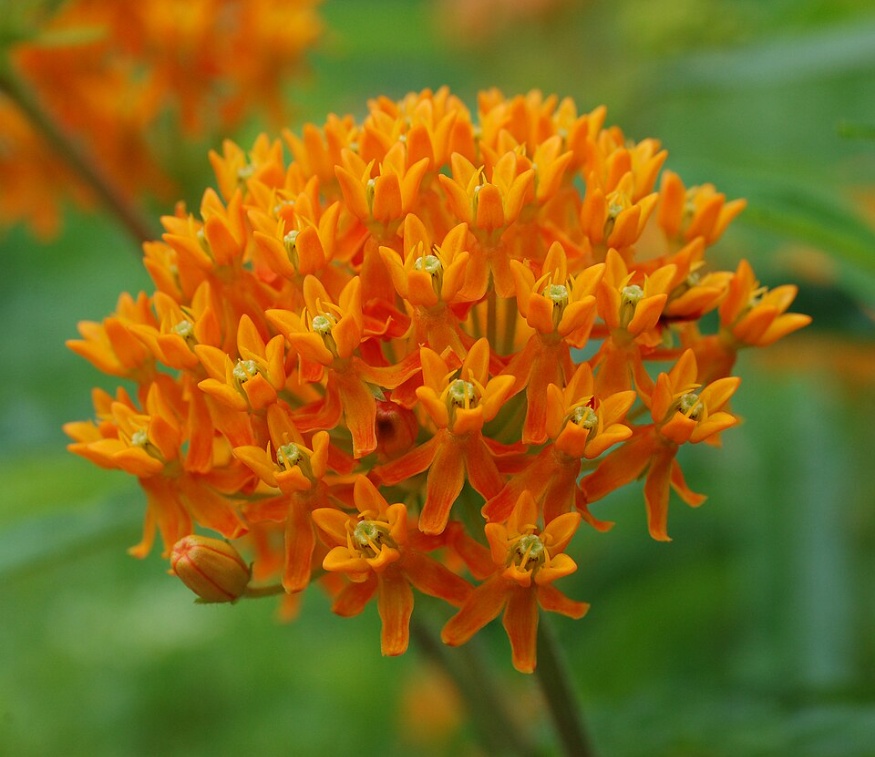
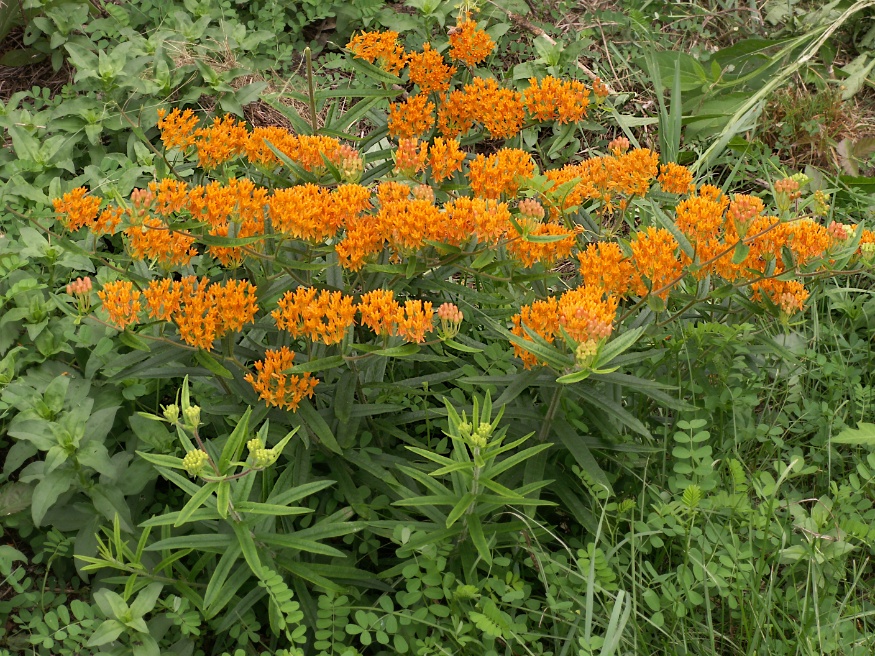
Butterfly milkweed is a vibrant and resilient native perennial known for its striking orange flowers and importance in supporting pollinators. Native to much of North America, Asclepias tuberosa thrives in dry, sunny habitats such as prairies, open hillsides, and sandy soils where many other plants struggle to establish.
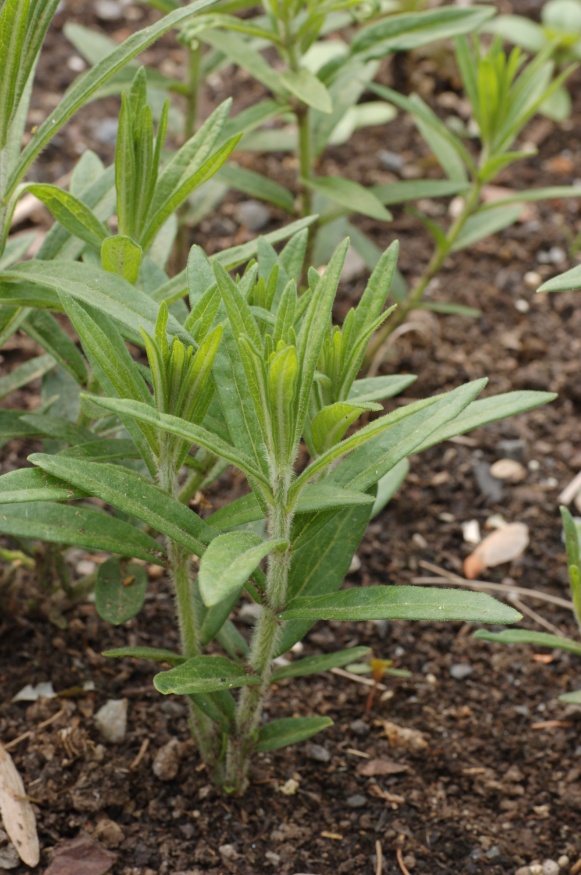
Unlike other milkweed species, it lacks the milky sap typically associated with the genus. It grows in compact clumps with narrow leaves and produces clusters of bright flowers that attract butterflies, bees, and other beneficial insects. Its deep taproot allows it to survive drought conditions and contributes to its longevity.
Historically, butterfly milkweed was widely used as a medicinal plant, particularly for respiratory ailments. Its common name, pleurisy root, reflects its traditional use in treating inflammation of the lungs and chest pain.
Medicinally, the root is used to support lung health by promoting expectoration and reducing inflammation. Its warming nature makes it particularly useful in cold, congested conditions. While not commonly used as a food plant, its ecological and medicinal roles make it a valuable addition to both natural landscapes and herbal traditions.
Traditional Use
Folk Use
Butterfly milkweed, also known as pleurisy root, has a long history of use for respiratory conditions. It was traditionally used to treat pleurisy, bronchitis, and other lung-related issues.
The root was prepared as a decoction to support lung function, reduce inflammation, and encourage productive coughing. It was especially valued for its warming and expectorant properties.
Indigenous peoples and early settlers used it as an important remedy for chest conditions, particularly where there was pain or difficulty breathing.
Chinese Medicine
Not traditionally used in Chinese medicine, though its actions resemble herbs that warm and open the lungs while resolving congestion.
Special Chemistry
Contains cardiac glycosides and other compounds that contribute to its physiological effects.
Signature
The bright orange flowers suggest its affinity for the lungs and vitality, reflecting its traditional use in restoring respiratory strength.
Combinations
Often paired with Elecampane for deeper respiratory support.
Precautions
Use with caution, as high doses may cause nausea. Proper dosing is important.
| Medicinal Species | Asclepias tuberosa |
|---|---|
| Tastes | bitter |
| Organ Systems | respiratory |
| Thermal Nature | warm |
| Moisture | drying |
| Parts Used | roots |
| Preparations | decoction, tincture |
| Organs and Tissue | lungs |
Growing Guide
Butterfly milkweed is best grown from seed that has undergone cold moist stratification. Seeds can be sown outdoors in fall or stratified and planted in spring.
This plant prefers well-drained, sandy soils and full sun. It is drought tolerant once established but does not tolerate poorly drained conditions. Due to its deep taproot, transplanting mature plants can be difficult, so direct seeding is recommended.
It is slow to establish but long-lived once mature. Minimal fertilization is needed, as overly rich soils can reduce flowering.