About This Plant
Butterbur is a robust perennial plant known for its exceptionally large leaves and preference for wet environments. Belonging to the genus Petasites, species such as Petasites hybridus and Petasites japonicus are commonly found along riverbanks, marshes, and floodplains throughout Europe, Asia, and parts of North America.
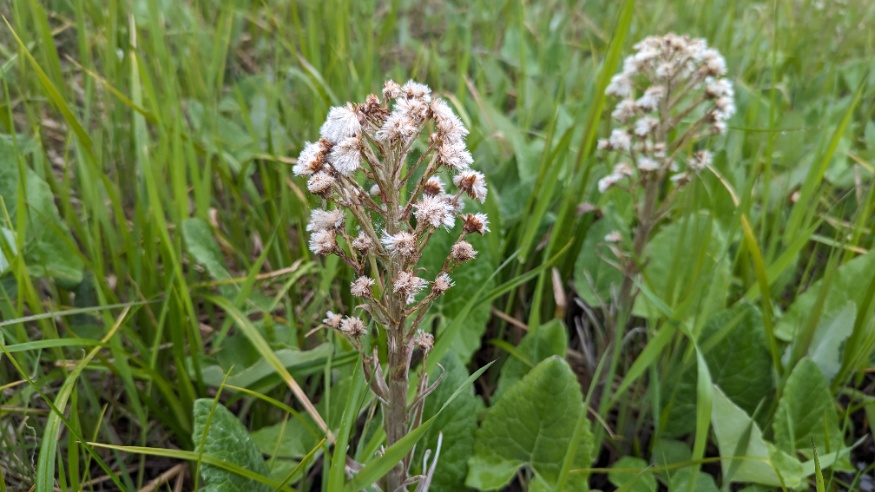
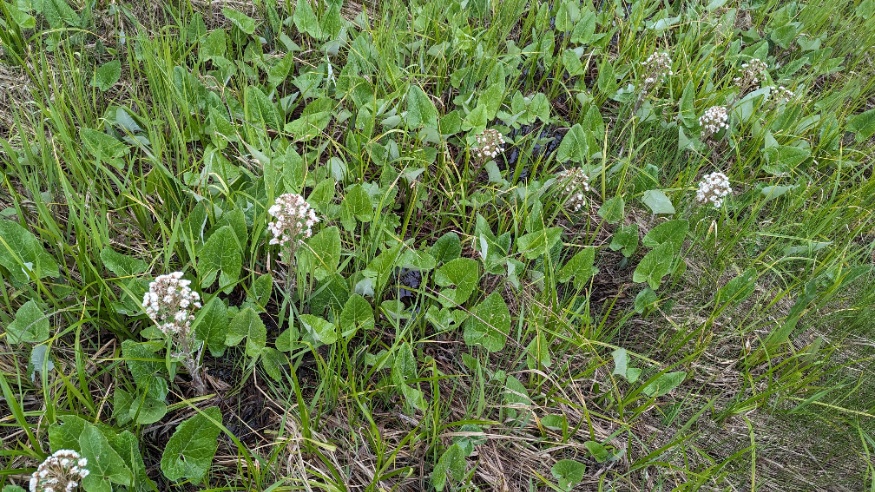
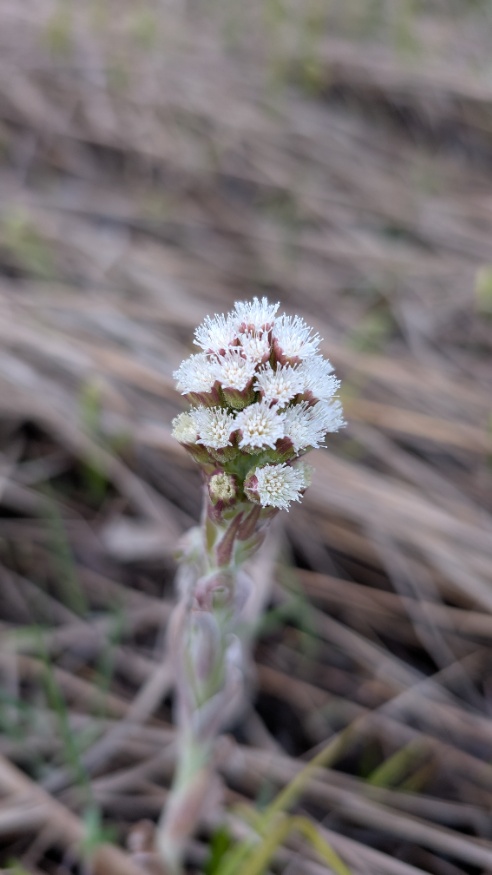
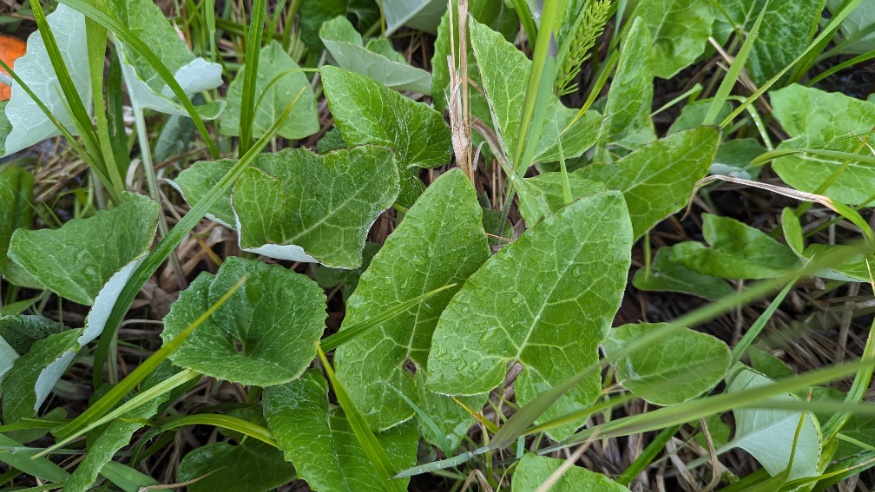
In early spring, butterbur produces clusters of flowers before its leaves fully emerge. These leaves can grow to impressive sizes, forming dense, ground-covering stands that help stabilize soil in wet conditions. Its spreading rhizomes allow it to colonize large areas over time.
Historically, butterbur leaves were used to wrap butter, giving the plant its common name. Medicinally, it has been valued for its calming effects on the respiratory system and its ability to ease spasmodic conditions.
Modern herbal use has focused on its role in supporting migraine relief and allergic responses. Extracts standardized to remove harmful compounds are commonly used. While powerful, butterbur requires careful preparation and use, highlighting the importance of proper processing in herbal medicine.
Traditional Use
Folk Use
Butterbur has traditionally been used for respiratory conditions, particularly coughs and asthma. It was valued for its ability to relax spasms and ease breathing.
In more recent herbal practice, butterbur has become known for its use in supporting migraine relief and allergic conditions. Extracts of the root are commonly used in standardized preparations.
Its soothing and antispasmodic qualities have made it a useful herb for both respiratory and nervous system concerns.
Chinese Medicine
Related species (such as Petasites japonicus) are used in East Asian traditions for respiratory conditions, including cough and phlegm accumulation.
Special Chemistry
Contains petasin and isopetasin, compounds associated with antispasmodic and anti-inflammatory effects.
Signature
The large, umbrella-like leaves suggest a protective, shielding quality, reflecting its use in calming irritation and shielding sensitive tissues.
Combinations
Often paired conceptually with Coltsfoot for respiratory support.
Precautions
Raw plant contains pyrrolizidine alkaloids, which are toxic to the liver. Only processed, PA-free extracts should be used internally.
| Medicinal Species | Petasites hybridus, Petasites japonicus |
|---|---|
| Tastes | bitter |
| Organ Systems | respiratory, nervous |
| Thermal Nature | cool |
| Moisture | moistening |
| Parts Used | roots, leaves |
| Preparations | decoction, extract, tincture |
| Organs and Tissue | lungs, brain |
Growing Guide
Butterbur is best propagated through division of its rhizomes, as it spreads readily in moist environments. Seeds can be used but require cold moist stratification for successful germination.
This plant thrives in wet soils and is ideal for areas near ponds, streams, or poorly drained ground. It prefers full sun to partial shade and can form dense colonies over time.
Due to its aggressive spreading habit, it should be planted where containment is possible or where its expansion is desirable, such as in erosion control projects.