About This Plant
Arnica is a striking genus of herbaceous perennials known for its bright yellow, daisy-like flowers and powerful medicinal properties. Found across temperate and mountainous regions of Europe and North America, species such as Arnica montana, Arnica cordifolia, Arnica chamissonis, and Arnica angustifolia have all been used traditionally for healing. These plants often thrive in open meadows, upland slopes, and forest clearings where soils are well-drained and relatively undisturbed.
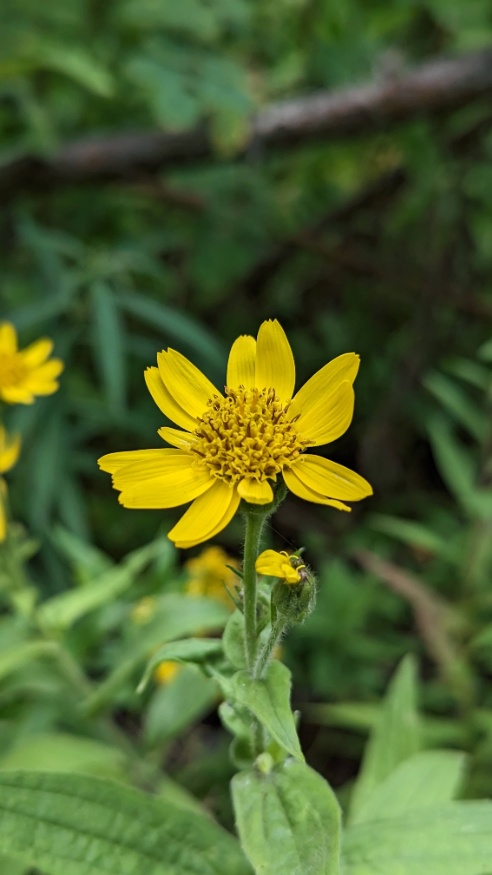
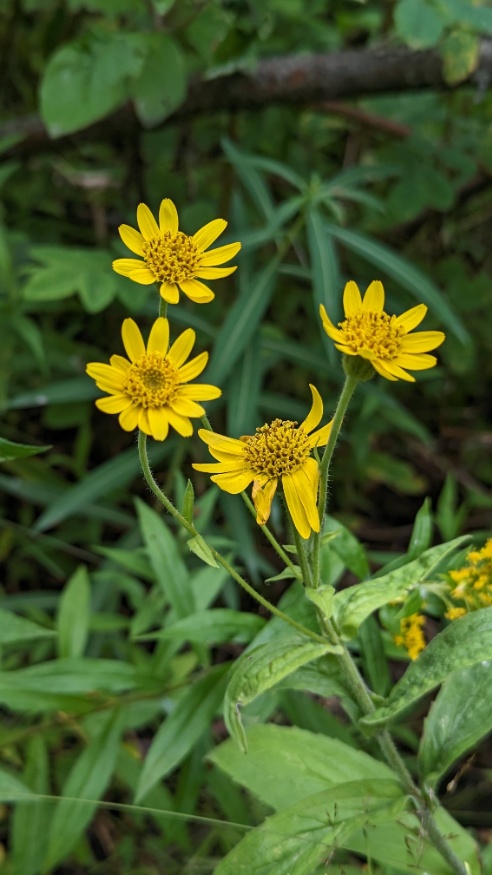
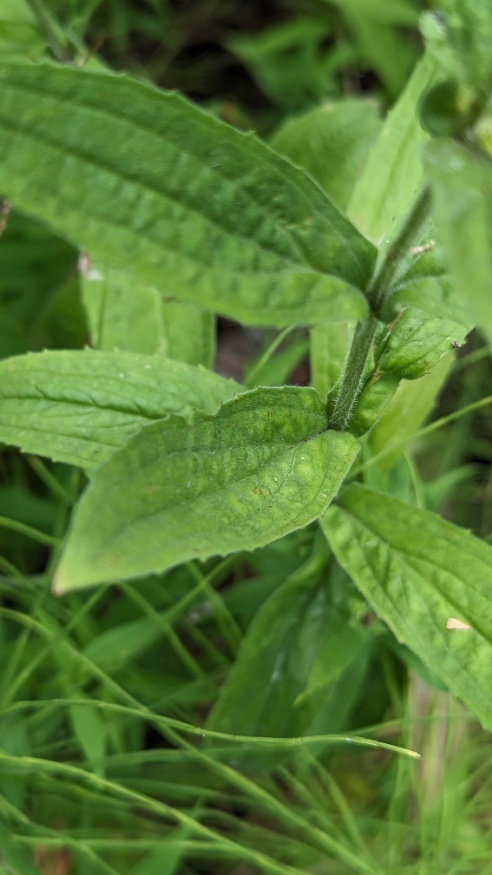
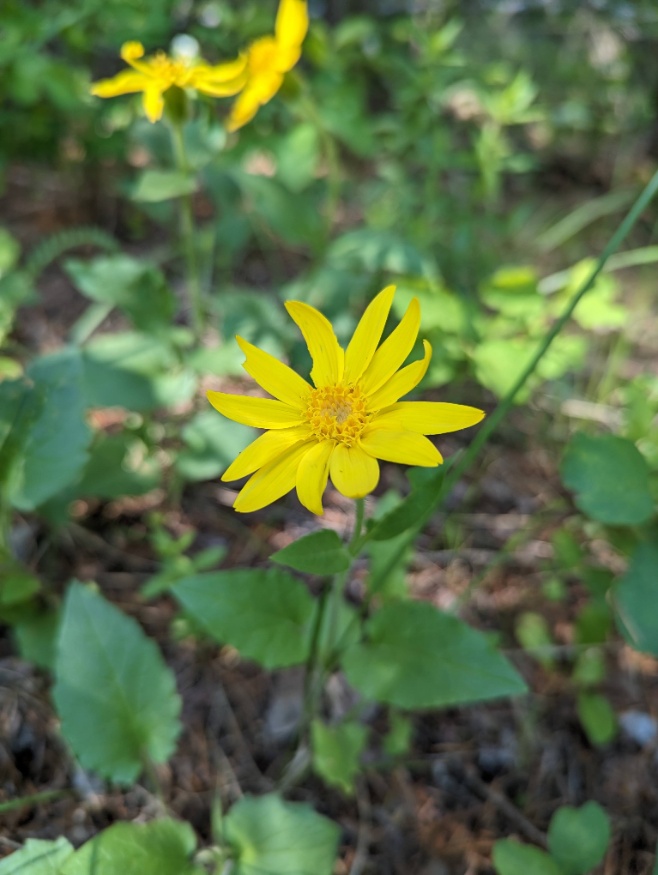
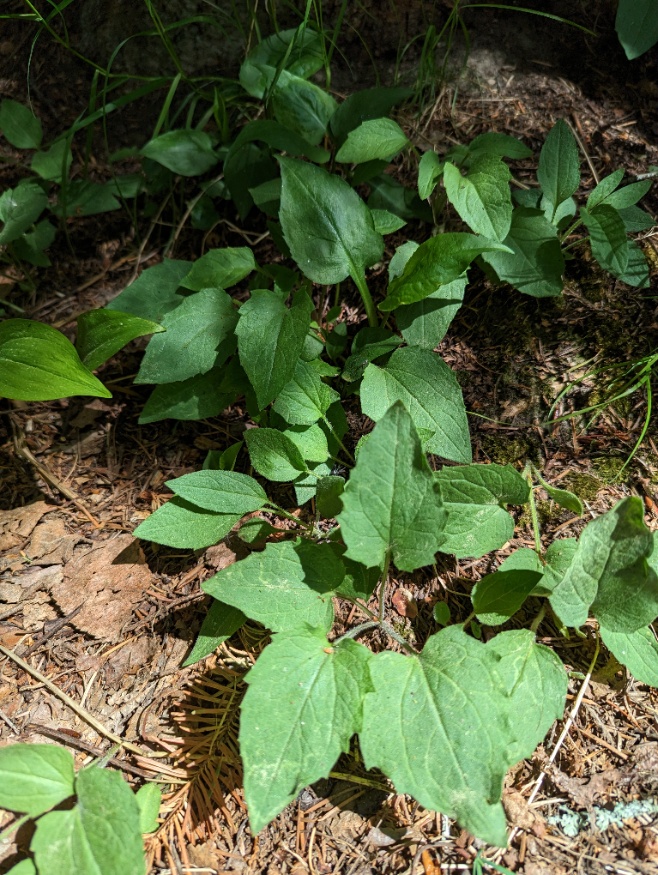
In the landscape, arnica forms low-growing clumps with simple, slightly hairy leaves and upright stems topped with solitary or clustered blooms. The flowers resemble small sunbursts, making them both visually distinctive and easy to identify. Despite their delicate appearance, these plants are well adapted to harsh climates, particularly in alpine and subalpine environments.
Historically, arnica has been one of the most important herbs for treating physical trauma. European traditions especially elevated Arnica montana as a key remedy for bruises, sprains, and muscle soreness, while Indigenous and regional practices in North America made use of local species. Its reputation as a “first aid” plant has persisted into modern herbalism.
Medicinally, arnica is almost exclusively used externally. Infused oils, salves, and creams are applied to reduce inflammation, stimulate circulation, and support the healing of bruised or strained tissues. It is particularly valued for its ability to move stagnant blood and reduce swelling quickly. Due to its potency, internal use is generally avoided, reinforcing its role as a topical specialist in herbal medicine.
Traditional Use
Folk Use
Arnica has long been valued as one of the premier topical herbs for trauma and injury. Traditionally, it was applied externally for bruises, sprains, sore muscles, and swelling. European folk medicine made extensive use of Arnica montana, while North American traditions relied more on species such as Arnica cordifolia and Arnica chamissonis.
Preparations were commonly made as infused oils, salves, or compresses applied directly to the skin. It was especially valued for reducing discoloration and stagnation of blood beneath the skin. In some traditions, diluted tinctures were used externally for joint pain and inflammation.
Internally, arnica has historically been used with caution due to its potency and potential toxicity. Most modern herbalists restrict its use to external applications only. Its strong action on circulation and tissue repair has made it a staple remedy in both folk and modern herbal practices.
Chinese Medicine
Arnica is not traditionally part of classical Chinese medicine, but its actions align with herbs that invigorate blood and dispel stagnation. It can be compared conceptually to herbs used for trauma, bruising, and pain due to blocked circulation.
In modern integrative approaches, arnica is sometimes interpreted as a warming, moving herb that stimulates peripheral circulation and resolves blood stasis. It is primarily used externally in this context.
Special Chemistry
Arnica contains sesquiterpene lactones (such as helenalin), flavonoids, and volatile oils. These compounds contribute to its strong anti-inflammatory and circulatory-stimulating effects, particularly in topical applications.
Signature
The bright yellow, sun-like flowers of arnica reflect its warming and activating qualities, particularly its ability to bring movement and vitality to stagnant, injured tissue.
Combinations
Precautions
Arnica should not be used internally except under professional supervision. Topical use should avoid broken skin, as it may cause irritation. Prolonged use can lead to skin sensitivity in some individuals.
| Medicinal Species | Arnica montana, Arnica cordifolia, Arnica chamissonis, Arnica angustifolia |
|---|---|
| Tastes | bitter, acrid/pungent |
| Organ Systems | circulatory, muscular, integumentary (skin, hair, nails) |
| Thermal Nature | warm |
| Moisture | drying |
| Parts Used | flowers |
| Preparations | oil, salve, tincture, cream, compress |
| Organs and Tissue | muscle & connective tissue, blood |
Growing Guide
Arnica species prefer cool climates and well-drained soils, often thriving in sandy or slightly acidic conditions similar to their native mountain environments. Seeds benefit from cold moist stratification for several weeks before germination. Sow shallowly, as light aids germination, and keep soil consistently moist but not waterlogged.
Transplanting is often difficult due to the plant's sensitivity and relatively delicate root system. It is best grown from seed in its final location or carefully moved while young. Arnica prefers full sun in cooler climates but may benefit from partial shade in warmer areas.
These plants do not compete well with aggressive species, so maintaining a relatively open growing space is important. Once established, they require minimal care but do not tolerate heavy disturbance. Avoid overly rich soils, which can reduce their resilience and medicinal potency.