About This Plant
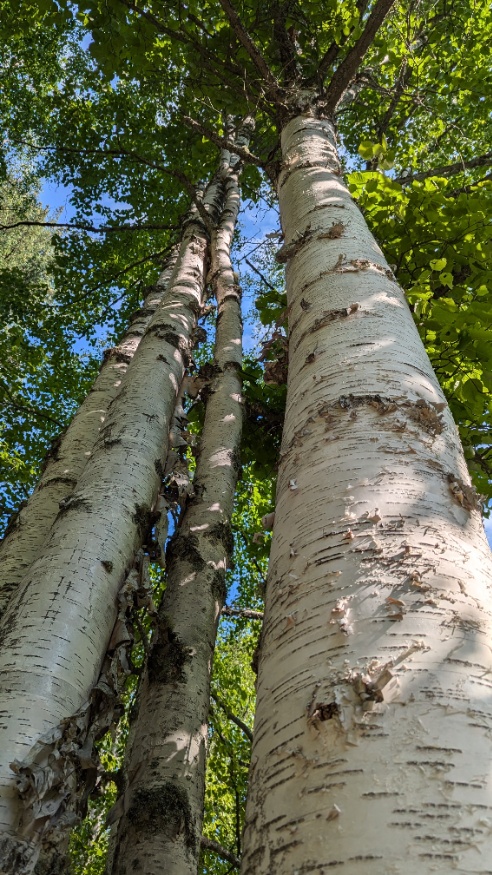
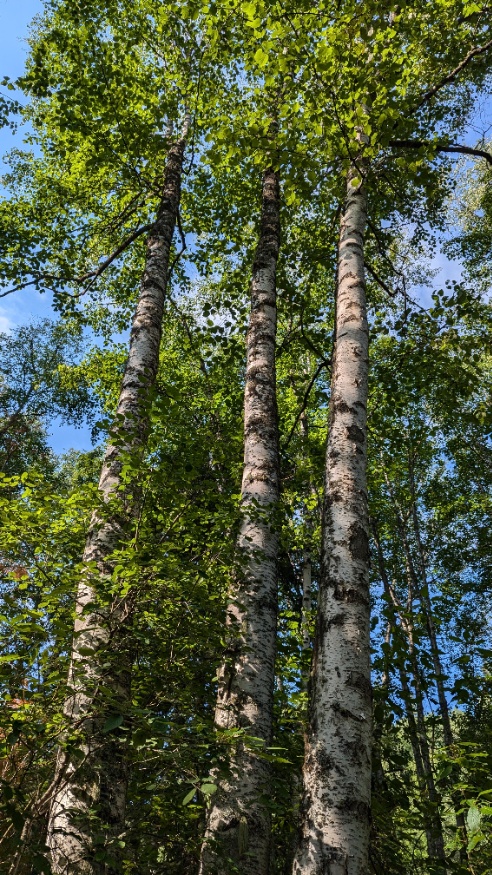
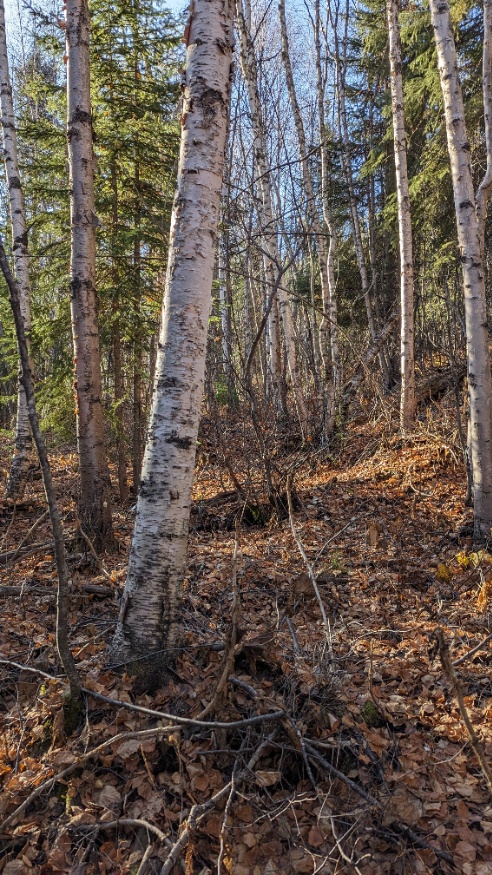
Birch (Betula spp.) is a group of deciduous trees widely distributed across northern temperate and boreal regions. Known for their distinctive bark—often white, peeling, or papery—birch trees are a familiar sight in forests, wetlands, and open landscapes. They are early successional species, often among the first to colonize disturbed areas.
Birch trees vary in size depending on the species but typically have slender trunks, light canopies, and finely serrated leaves. Their bark, which may peel in thin layers, has been historically significant for both practical and cultural uses. Birch is closely associated with northern ecosystems and often grows alongside species like alder and willow.
Throughout history, birch has been used for construction, tools, and crafts. The bark was commonly used for making containers, canoes, and writing material. The sap, collected in early spring, can be consumed fresh or boiled into syrup, similar to maple.
Medicinally, birch has been used for its anti-inflammatory and diuretic properties. Leaves and bark have been prepared as teas or extracts to support joint health and detoxification. While not a primary food source, its sap and inner bark have provided nourishment in survival situations.
Traditional Use
Folk Use
Birch has a long history in traditional medicine, particularly in northern regions. The leaves were often used in teas to promote urination and support kidney function, while the bark was used externally for skin conditions.
The sap was valued as a spring tonic, believed to cleanse the body after winter. It was sometimes combined with other seasonal herbs for a broader cleansing effect.
Birch also held cultural significance, often symbolizing renewal and new beginnings. Its use in crafts and daily life reflects its importance beyond purely medicinal applications.
Chinese Medicine
Special Chemistry
Birch contains compounds such as betulin and methyl salicylate, contributing to its anti-inflammatory and analgesic properties. These compounds are particularly concentrated in the bark.
It is sometimes used alongside plants like meadowsweet for joint support.
Individuals sensitive to salicylates should use caution, as reactions may occur. As with all medicinal plants, proper use and moderation are recommended.
Signature
| Medicinal Species | Betula papyrifera, Betula lenta, Betula pumila, Betula glandulosa |
|---|---|
| Tastes | bitter, astringent |
| Organ Systems | digestive, urinary, immune/lymphatic, integumentary (skin, hair, nails) |
| Thermal Nature | cool |
| Moisture | drying |
| Parts Used | inner bark, leaves |
| Preparations | decoction, salve, tea/infusion, tincture, syrup |
| Organs and Tissue | stomach, gallbladder, blood |
Growing Guide
Birch trees prefer cool climates and moist, well-drained soils. They grow best in full sun but can tolerate partial shade. Because they are relatively shallow-rooted, they benefit from consistent moisture and protection from drought.
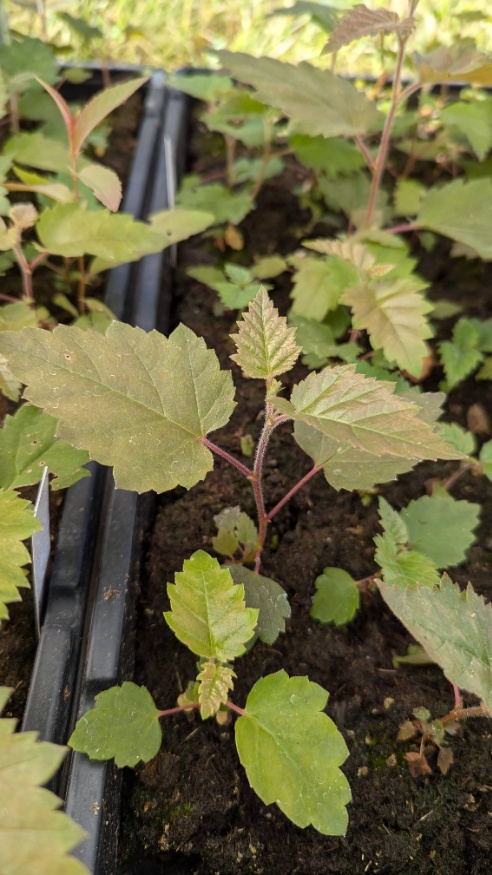
Seeds can be sown in prepared soil, though they require light for germination and should not be deeply buried. Young trees should be protected from extreme conditions during establishment.
Proper planting techniques are important for long-term health. For guidance, see planting mail order seedlings and proper root formation in trees. With proper care, birch trees can grow quickly and provide ecological and aesthetic benefits.