About This Plant
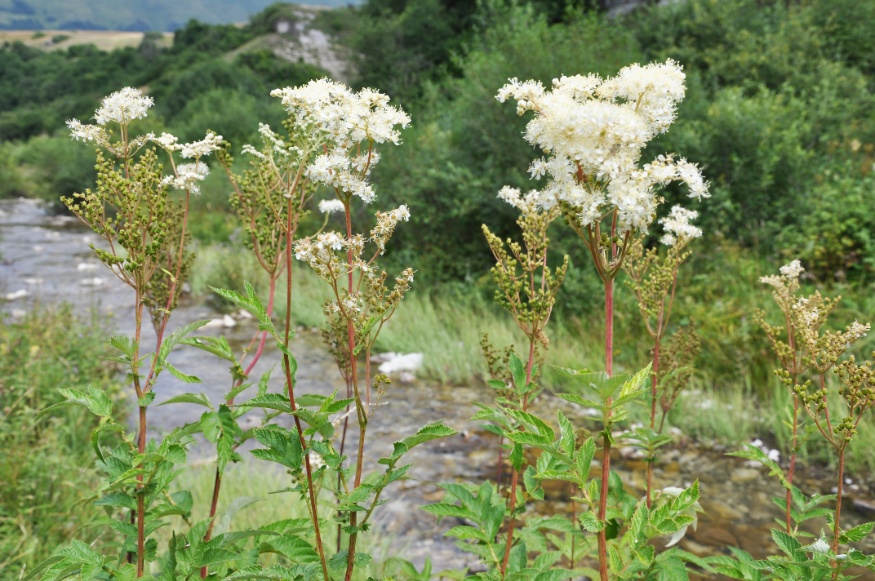
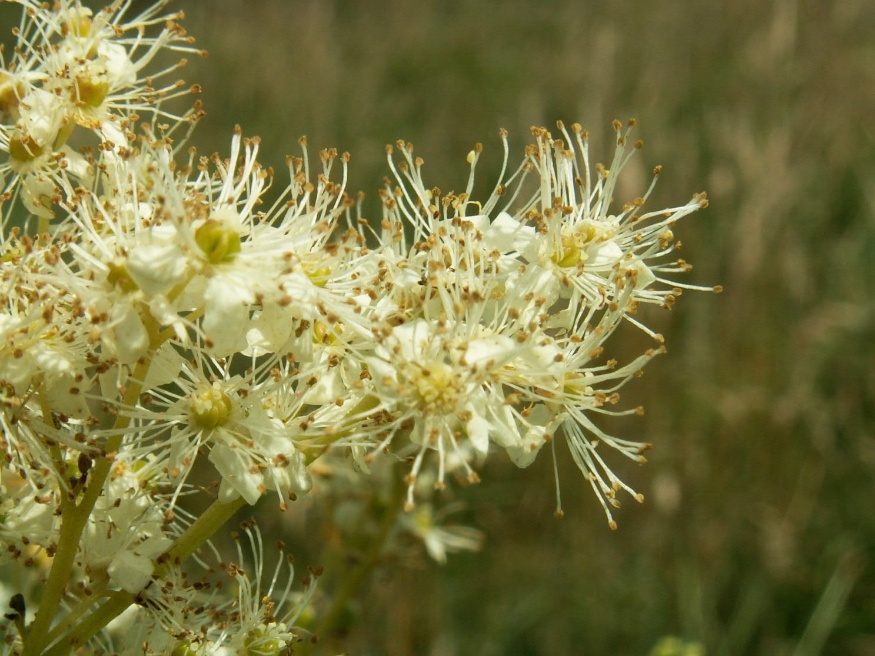
Meadowsweet (Filipendula ulmaria) is a graceful perennial plant that grows in moist meadows and along the edges of streams and wetlands. Its tall stems are topped with clusters of small, creamy-white flowers that form soft, cloud-like sprays and release a sweet, pleasant fragrance during the summer months.
The plant's leaves are deeply veined and slightly serrated, creating a lush backdrop for its airy blossoms. Meadowsweet thrives in damp soils and is often found in habitats where water is readily available. Its presence can indicate rich, moisture-retentive ground.
Historically, meadowsweet has been valued for both its fragrance and medicinal properties. The flowers were used in teas and traditional preparations to support digestion and provide gentle relief from discomfort. It has also been associated with early forms of pain-relieving remedies due to naturally occurring compounds in the plant.
With its elegant form and affinity for wet landscapes, meadowsweet brings both beauty and ecological value to natural and cultivated environments, while maintaining a long-standing role in herbal traditions.
Traditional Use
Folk Use
Chinese Medicine
Combinations
Precautions
| Medicinal Species | Filipendula ulmaria |
|---|---|
| Tastes | sweet, astringent |
| Organ Systems | circulatory, digestive |
| Thermal Nature | cool |
| Moisture | drying |
| Parts Used | leaves, flowers |
| Preparations | tea/infusion, tincture |
| Organs and Tissue | stomach, blood |