About This Plant
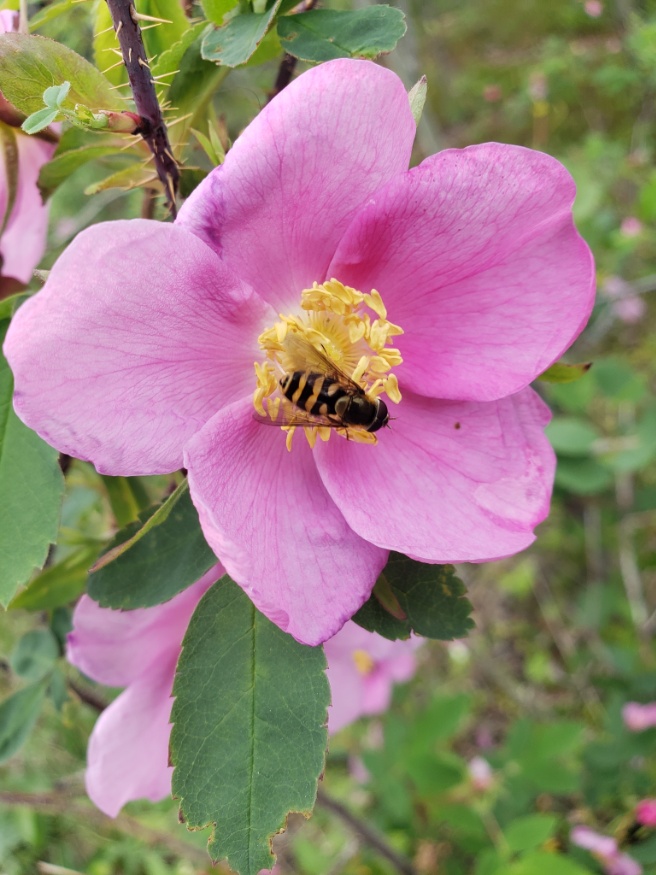
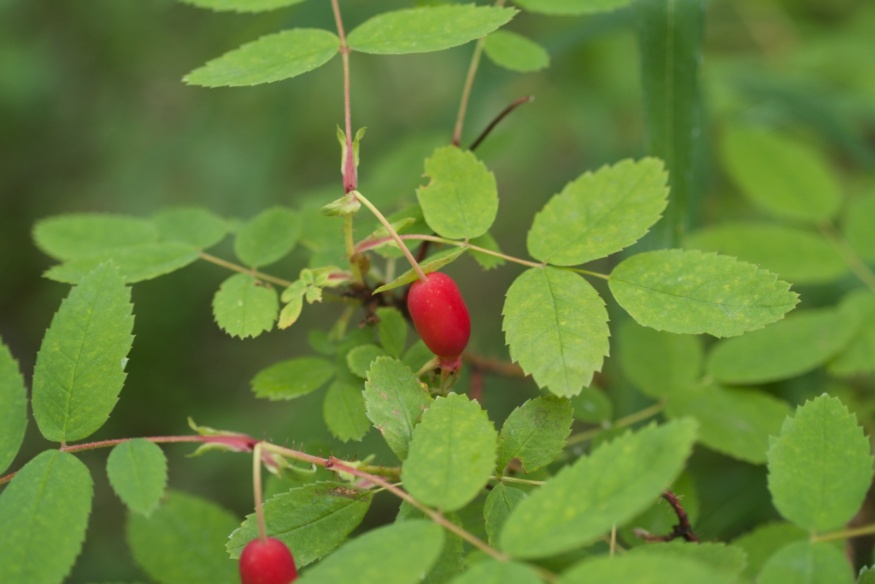
Wild rose (Rosa spp.) is a group of hardy, deciduous shrubs found across the temperate regions of the Northern Hemisphere. They grow in open woods, prairies, dunes, and forest edges, often forming sprawling or upright multi-stemmed thickets. The plants produce fragrant, showy flowers in shades of pink, red, or white in spring and summer, followed by bright red rose hips in late summer or autumn. The leaves are pinnate, often toothed, and contribute to the plant's ornamental appeal. Rose hips are nutrient-rich and widely harvested for medicinal teas, syrups, and culinary use. Wild roses play an important ecological role, providing food and habitat for birds, insects, and other wildlife.
Traditional Use
Folk Use
Wild rose has been valued for centuries for both its edible and medicinal qualities. The fruit, or rose hips, are rich in vitamin C and were used traditionally to treat colds, flu, and nutritional deficiencies. Rose petals and leaves were also used for their gentle astringent and anti-inflammatory properties in teas, washes, and poultices. In European and North American traditions, rose hip syrup and teas were used as a tonic to strengthen the immune system and support digestion.
Chinese Medicine
Wild rose is interpreted in modern TCM frameworks as a mild cooling, sour herb that strengthens digestion, supports liver function, and harmonizes the blood. Rose hips and petals are used in decoctions or infusions to alleviate digestive discomfort, regulate qi, and nourish yin fluids. Externally, rose preparations can soothe skin irritation and inflammation.
Special Chemistry
Rose hips contain high levels of vitamin C, flavonoids, carotenoids, tannins, and polyphenols, contributing to antioxidant, immune-supportive, and anti-inflammatory effects. Petals contain essential oils, anthocyanins, and astringent compounds beneficial for skin and mucosa.
Signature
The bright red hips and fragrant blossoms symbolize vitality, nourishment, and resilience. Many herbalists view wild rose as a gentle tonic for strengthening the body's defenses while beautifying and protecting the skin.
Combinations
Often combined with hawthorn, elderberry, chamomile, or peppermint for immune support and digestive tonics. Externally, combined with calendula, lavender, or comfrey for skin healing.
Precautions
Generally safe for consumption and external use. Excessive intake of rose hips may cause mild laxative effects. Avoid using seeds internally as they can be irritating.
| Medicinal Species | Rosa spp. (including R. acicularis, R. rugosa, R. arkansana, R. carolina, R. woodsii, R. blanda) |
|---|---|
| Tastes | sweet, sour, astringent |
| Organ Systems | circulatory, digestive, immune/lymphatic, integumentary (skin, hair, nails) |
| Thermal Nature | neutral |
| Moisture | moistening |
| Parts Used | leaves, flowers, berries |
| Preparations | decoction, extract, salve, tea/infusion, tincture, syrup |
| Organs and Tissue | stomach, mucosa, blood |
Growing Guide
Wild roses prefer full sun and well-drained soils but are adaptable to a variety of conditions including sandy or clay soils. They grow well along forest edges, prairies, and open slopes, and can tolerate partial shade. Seeds benefit from cold stratification, and plants may also be propagated by cuttings or layering. Once established, wild roses are hardy, low-maintenance shrubs that provide food for wildlife and attract pollinators. Mulching and occasional pruning help maintain health and shape, while protection from overgrazing encourages flowering and fruiting.