About This Plant
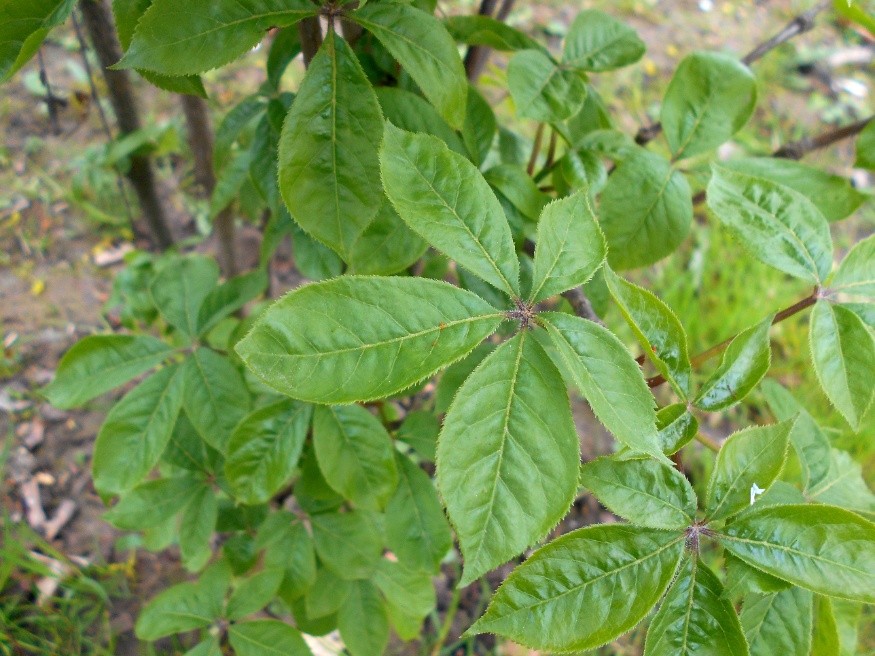
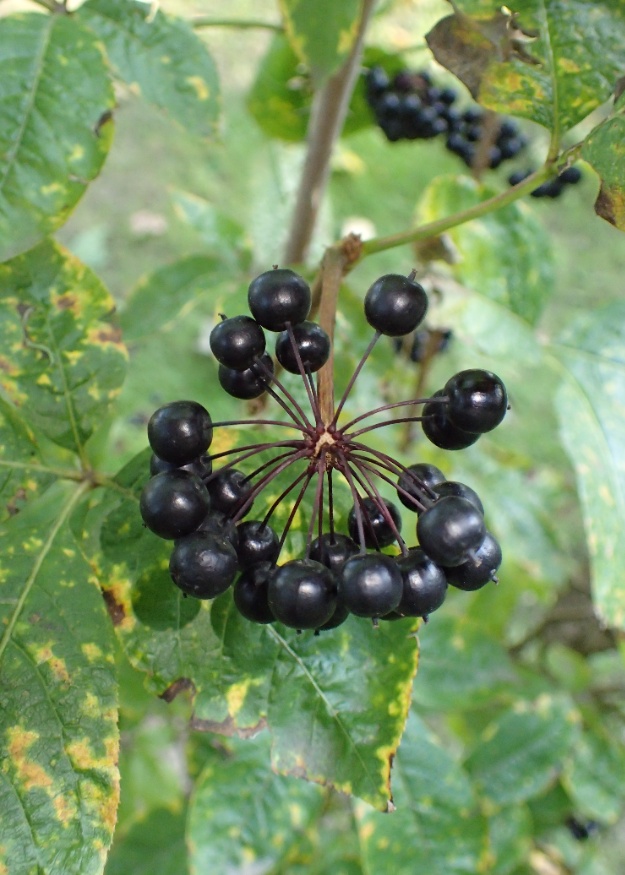
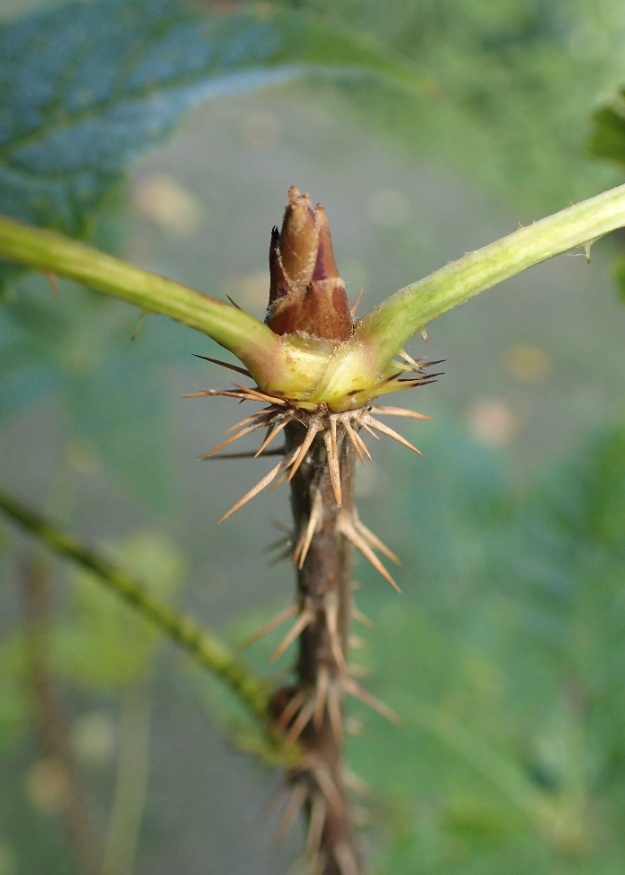
Eleuthero (Eleutherococcus senticosus), often called Siberian ginseng, is a hardy shrub native to the forests of northeastern Asia. The plant forms a dense cluster of upright stems armed with small prickles, giving it a rugged appearance in the landscape. Leaves grow in palmate clusters, while small, rounded flower heads appear in summer and develop into dark berries later in the season.
Though unrelated to true ginseng, eleuthero gained recognition for its similar tonic properties. During the twentieth century, Russian researchers studied the plant extensively for its ability to enhance endurance and resistance to stress. As a result, it became widely known as an "adaptogen," a class of herbs believed to support the body's natural balance during physical or emotional strain.
In gardens, eleuthero thrives in cool climates and woodland edges where soil remains moderately moist. Its dense growth habit provides habitat for birds and insects, while its roots continue to be valued in herbal practice. With its resilience and long history of use, eleuthero stands as an important medicinal shrub in both traditional and modern herbal systems.
Traditional Use
Folk Use
Chinese Medicine
Combinations
Precautions
| Medicinal Species | Eleutherococcus senticosus |
|---|---|
| Tastes | bitter, sweet |
| Organ Systems | immune/lymphatic, nervous, endocrine |
| Thermal Nature | neutral |
| Parts Used | roots |
| Preparations | decoction, extract, tincture, powder |
| Organs and Tissue | adrenal, blood |