About This Plant
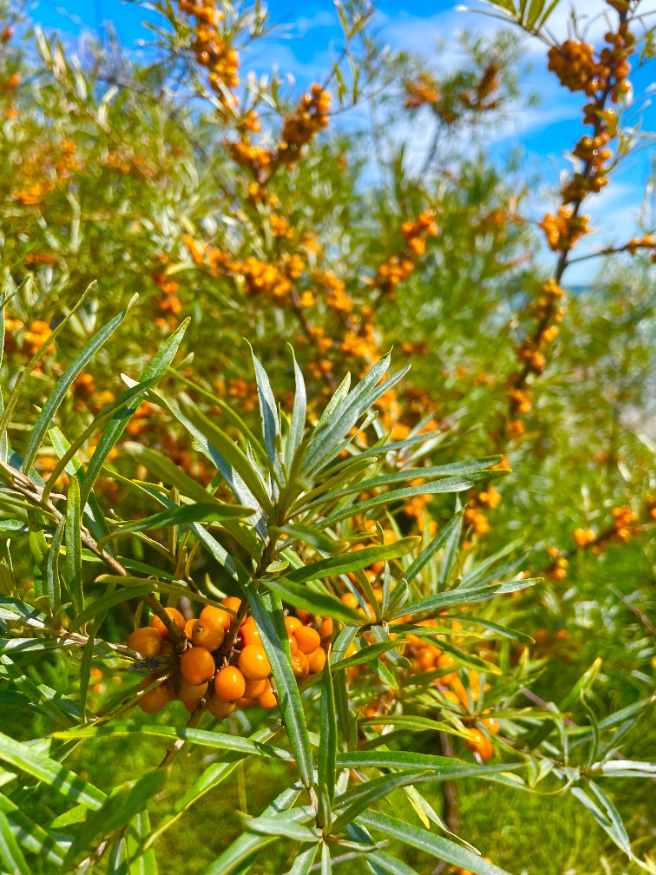
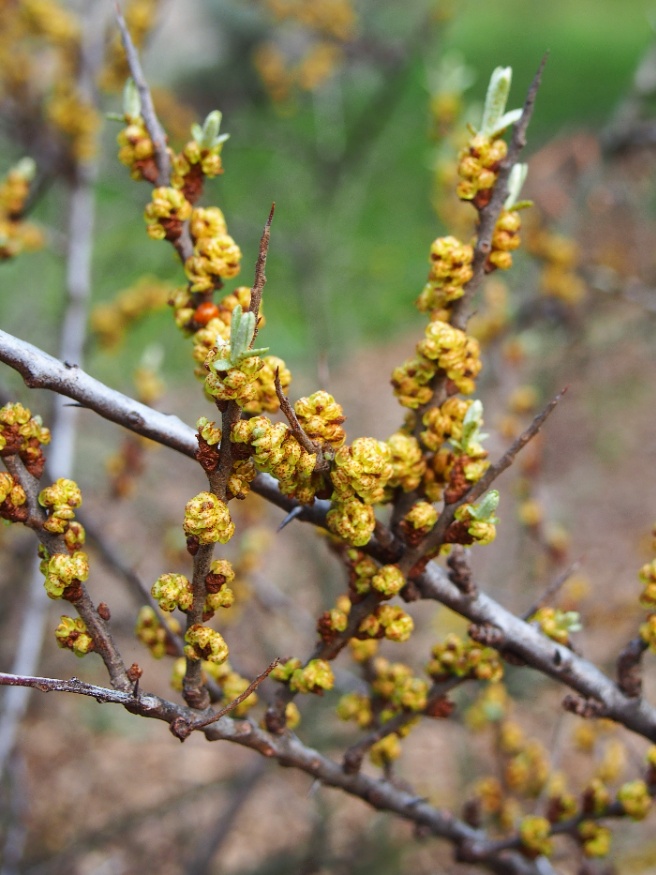
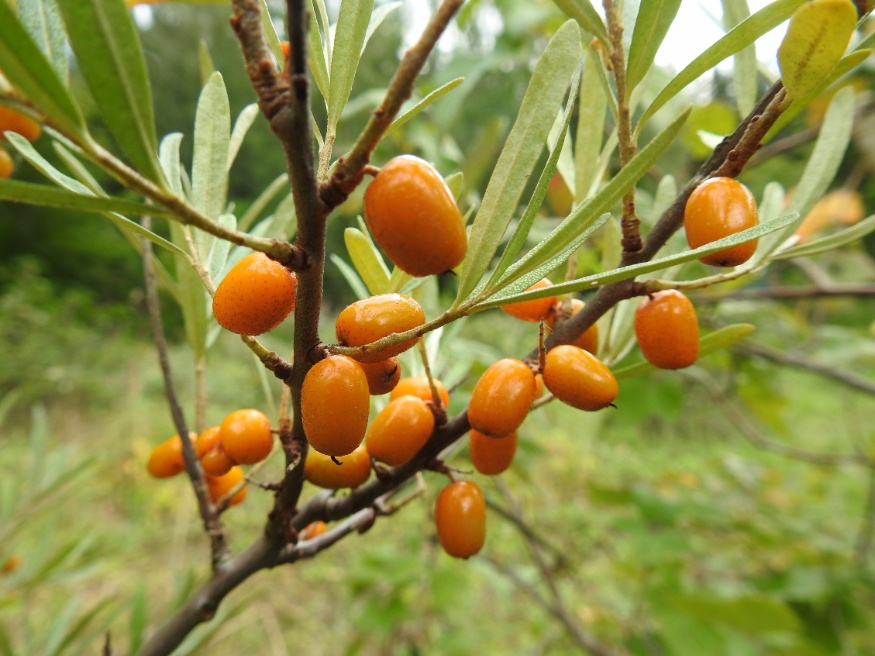
Sea buckthorn (Hippophae rhamnoides) is a deciduous, thorny shrub native to Europe and Asia, growing 6–12 feet tall with spreading branches. Its silver-green leaves contrast with bright orange berries that ripen in late summer to fall. The shrub thrives on sandy, rocky soils and coastal or upland habitats, tolerating drought, poor soils, and wind exposure. Sea buckthorn provides edible berries, oil, and ecological benefits such as erosion control, windbreaks, and wildlife habitat. Its nutritious berries, hardy growth, and ornamental features make it an important plant for both medicinal and ecological purposes.
Traditional Use
Folk Use
Sea buckthorn berries have long been used as food and medicine in Europe and Asia. Rich in vitamin C and other nutrients, they were consumed fresh, dried, or made into juices, jams, and oils. Medicinally, berries and leaf decoctions supported digestion, circulation, skin health, and immunity. Poultices and oils from berries or leaves were applied topically to heal wounds and inflammation. Traditional use emphasized both nutritional and restorative properties.
Chinese Medicine
Sea buckthorn is considered slightly warm and sour in modern herbal practice, supporting Liver, Stomach, and Blood systems. Berries and leaves are used to improve circulation, strengthen tissue, aid digestion, and support skin healing. The oil is applied topically for wounds, burns, and inflammation. Sea buckthorn is valued for its nutritive, immune-supporting, and restorative effects.
Special Chemistry
Berries are rich in vitamins C, E, and A, carotenoids, flavonoids, and fatty acids. Leaves contain antioxidants and tannins. These compounds provide anti-inflammatory, antioxidant, and tissue-healing properties.
Signature
Bright orange berries on thorny shrubs symbolize resilience, vitality, and nourishment in harsh environments.
Combinations
Combine with rosehip, hawthorn, sea buckthorn oil, or blueberry for antioxidant, circulatory, or skin-supporting formulations.
Precautions
Generally safe; berries are acidic and may cause mild gastrointestinal upset if eaten in excess.
| Medicinal Species | Hippophae rhamnoides |
|---|---|
| Tastes | bitter, sour, astringent |
| Organ Systems | circulatory, digestive, immune/lymphatic, integumentary (skin, hair, nails) |
| Thermal Nature | warm |
| Moisture | moistening |
| Parts Used | stems, leaves, berries |
| Preparations | decoction, oil, tea/infusion, tincture, powder, syrup |
| Organs and Tissue | stomach, liver, mucosa, blood |
Growing Guide
Sea buckthorn (Hippophae rhamnoides) grows best in well-drained, sandy or rocky soils with full sun. Tolerant of poor soil, drought, and salty coastal conditions. Propagate via seedlings or cuttings in spring or fall. Hardy to zone 3, the shrub spreads slowly and forms dense, thorny bushes. Mulch to conserve moisture and protect roots. Sea buckthorn is fast-growing and long-lived, providing edible berries, windbreaks, soil stabilization, and habitat for wildlife.