About This Plant
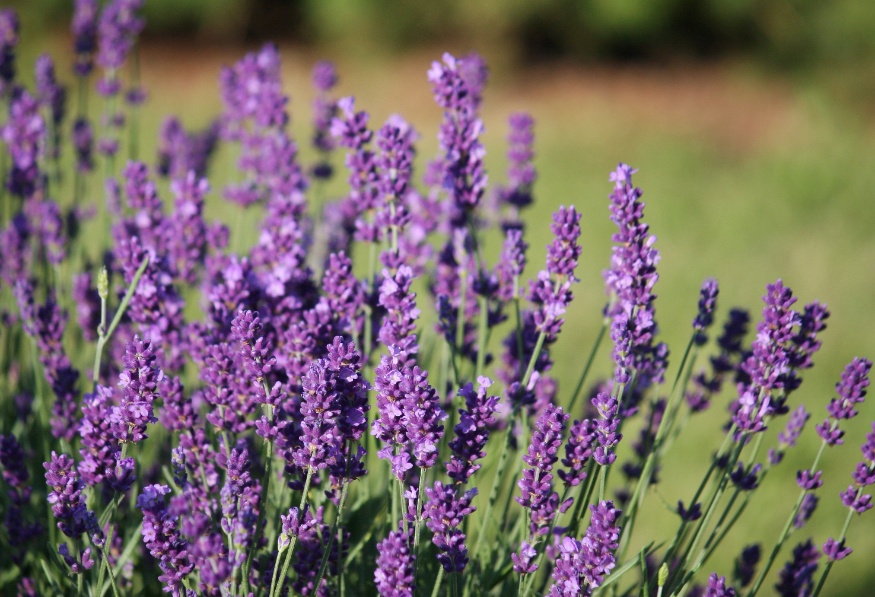
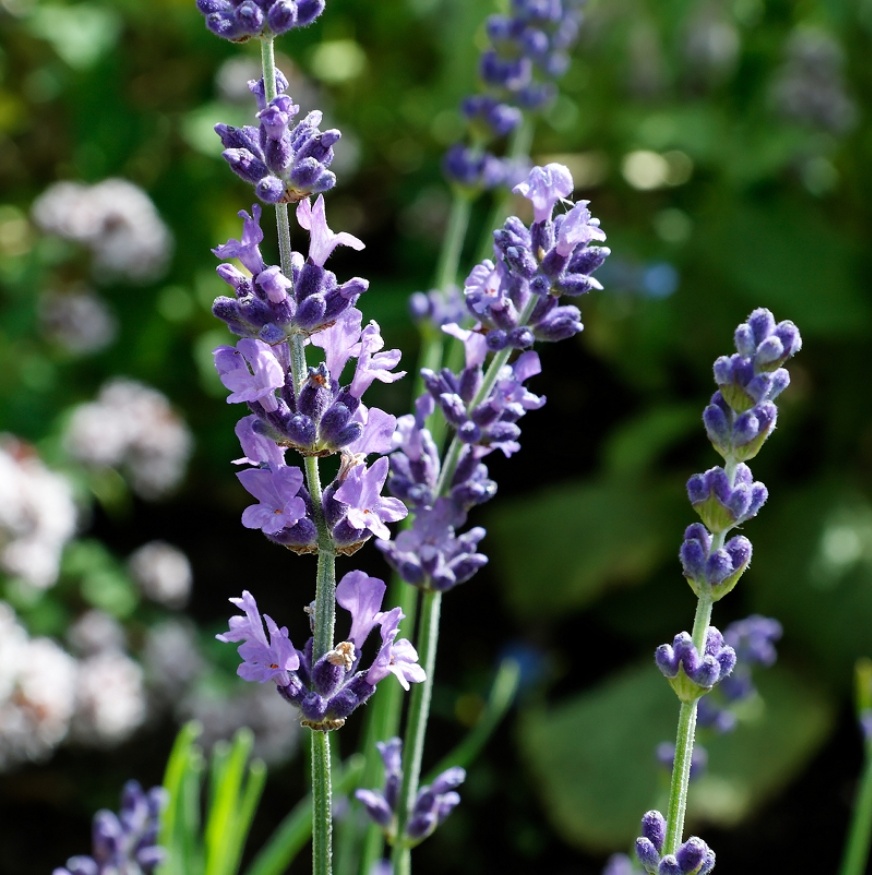
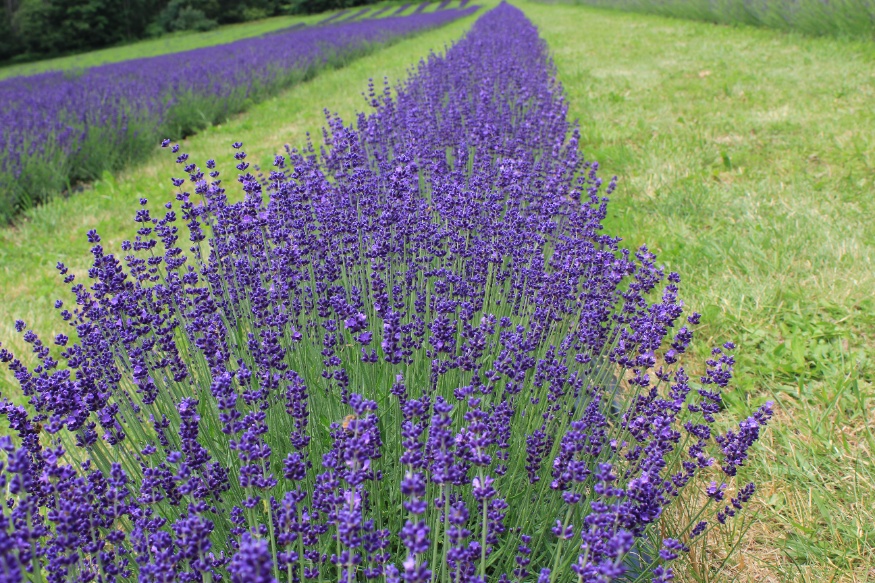
Lavender (Lavandula spp.) is a well-known aromatic shrub valued for its fragrant flowers and silvery-green foliage. The plant forms a rounded, bushy shape, with slender stems topped by spikes of small purple to blue blossoms that bloom during the warmer months. These flowers are highly attractive to bees and other pollinators, contributing to the plant's ecological value.
Native to the Mediterranean region, lavender thrives in dry, sunny environments with well-drained soil. It is well adapted to rocky slopes and areas with limited moisture, making it an excellent choice for low-water gardens. Over time, the base of the plant becomes woody, while new growth emerges each season.
Lavender has been used for centuries in both herbal and cultural traditions. Its soothing fragrance has been associated with relaxation and calm, and it has been incorporated into a wide range of preparations. In the garden, it brings both structure and scent, offering visual interest along with a sensory experience that reflects its long-standing place in human use.
Traditional Use
Folk Use
Chinese Medicine
Combinations
Precautions
| Medicinal Species | Lavandula angustifolia, Lavandula latifolia, Lavandula stoechas |
|---|---|
| Tastes | bitter, acrid/pungent |
| Organ Systems | digestive, nervous |
| Thermal Nature | warm |
| Moisture | drying |
| Parts Used | flowers |
| Preparations | oil, tea/infusion, tincture |