About This Plant
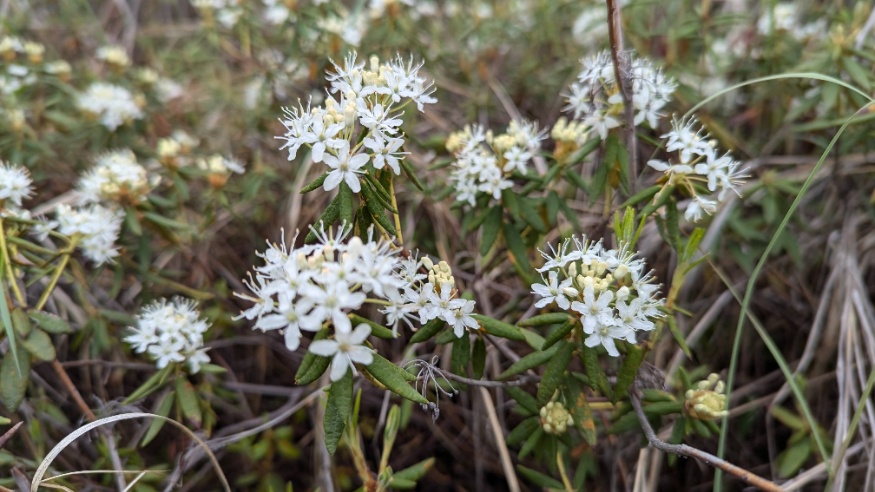
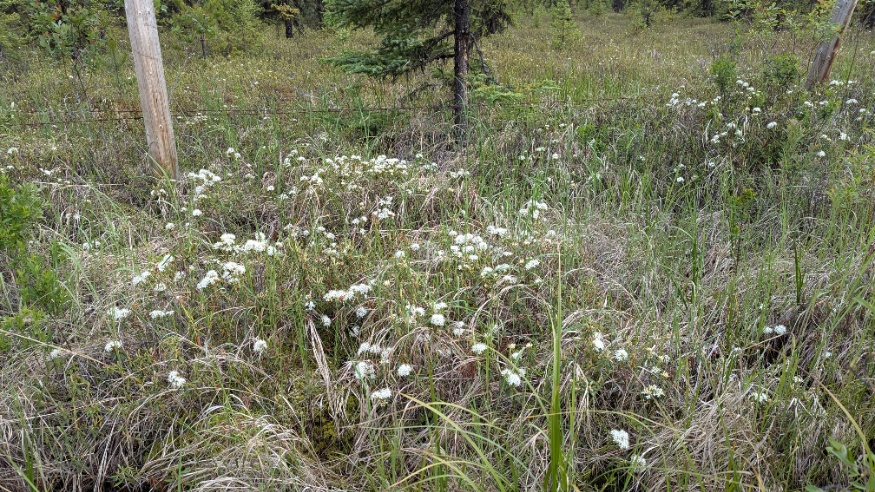
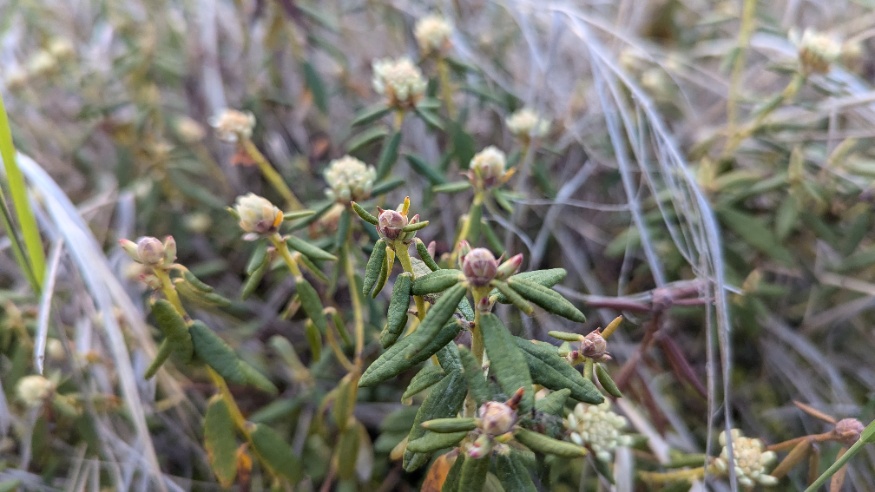
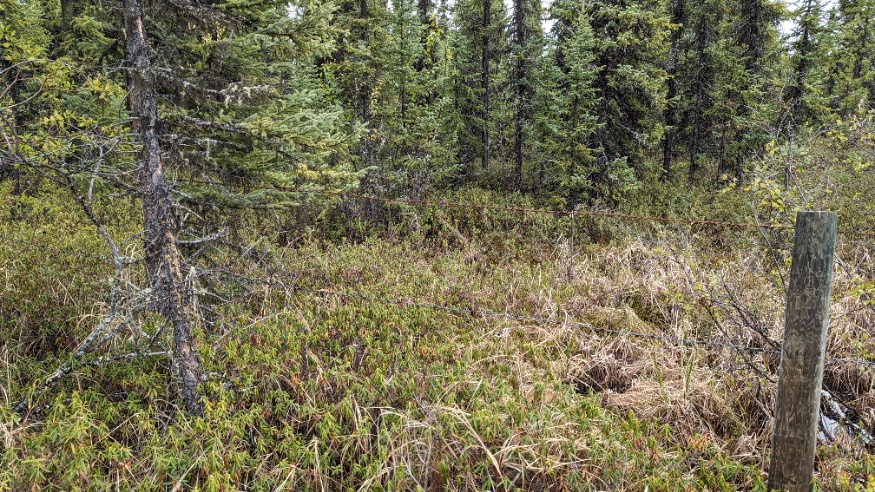
Labrador tea is a flowering perennial shrub native to all parts of Canada and much of Northern United States. It can be found colonizing the understory of acidic conifer wetlands, swamps, and bogs. It can also sometimes be seen growing on mountain slopes or on waters edge.
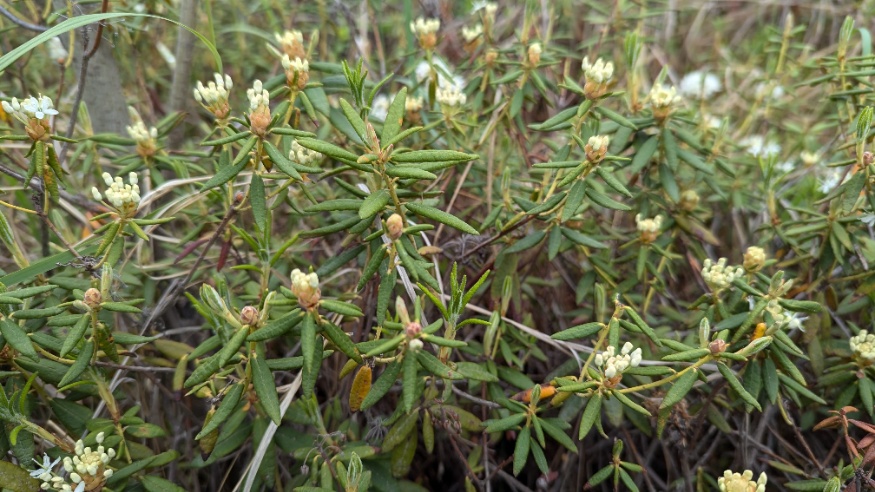
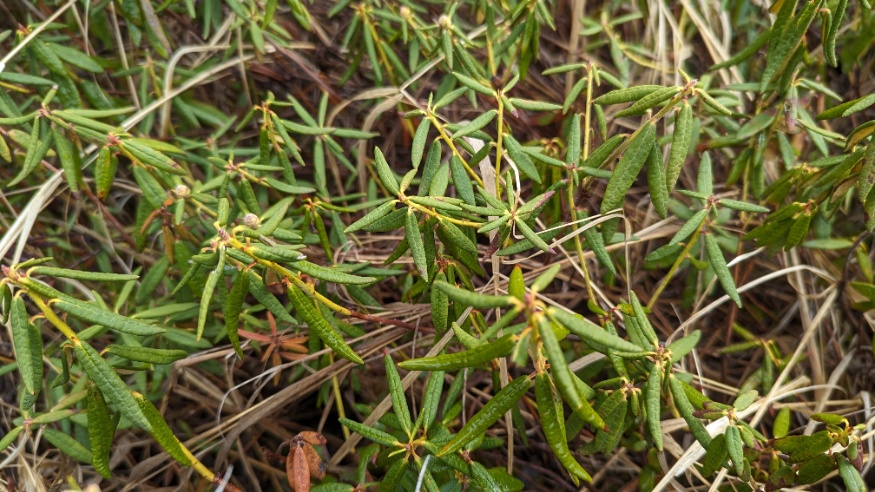
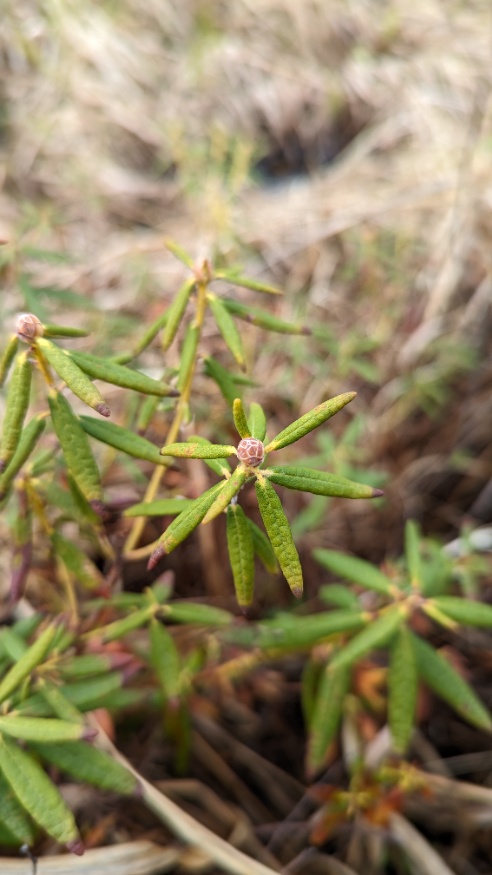
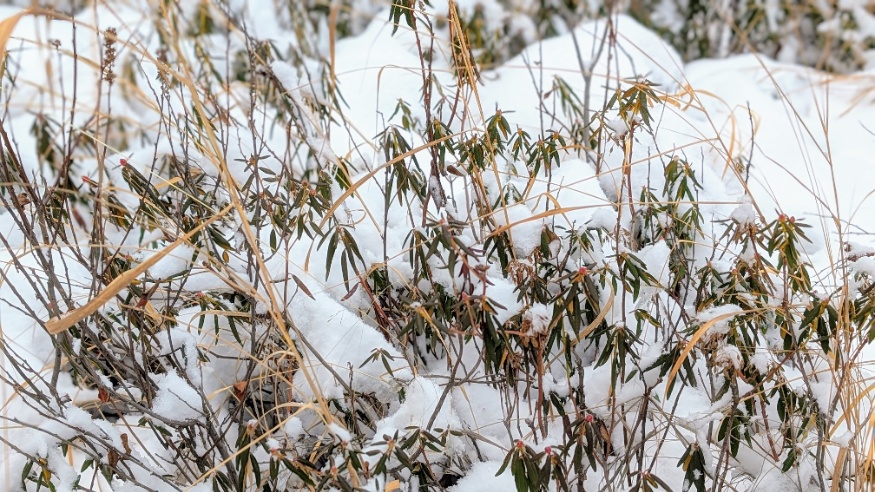
The leaves have a unique downward curl along the edges with fuzzy orange undersides. They're scented of essential oils and traditionally used to make herbal tea (as the name implies) by native American tribes and early settlers.
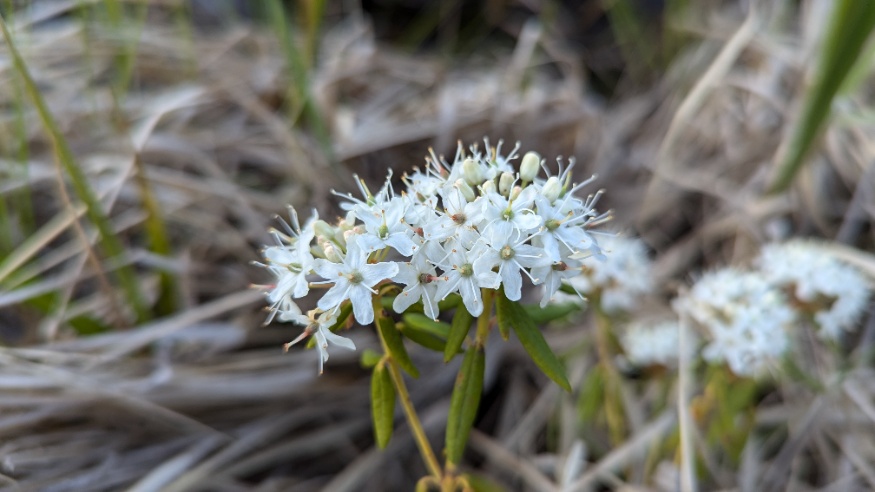
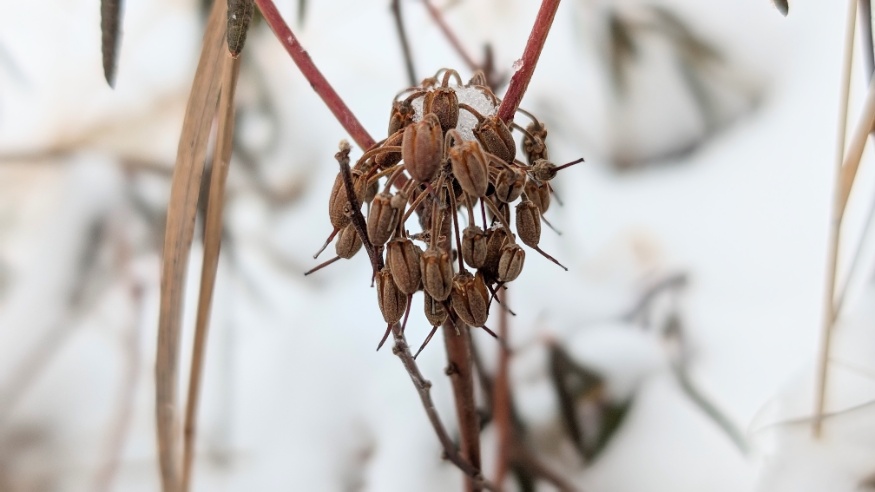
Fragrant and sticky white flowers appear from late spring to early summer. The evergreen leaves and seed heads persist into winter, providing winter interest for the keen eye.
Traditional Use
Folk Use
Labrador tea has a long history among Indigenous peoples in North America as a mild stimulant and soothing tea. Leaves were traditionally harvested, dried, and brewed into a fragrant infusion used to support digestion, ease respiratory issues such as coughs, and act as a general tonic during long winter months. Externally, leaf decoctions were applied to skin irritations or minor wounds. In European settler herbalism, it was similarly used as a warming tea for colds and digestive discomfort.
Chinese Medicine
Though not classical in TCM, Labrador tea is interpreted as a cooling, astringent herb supporting Lung and Stomach function. Modern herbalists use it as a gentle tonic for respiratory irritation, digestive imbalance, or mild inflammation. Its aromatic qualities are considered beneficial for clearing dampness and mild phlegm accumulation.
Special Chemistry
Contains essential oils, flavonoids, tannins, and phenolic compounds, contributing to antioxidant, anti-inflammatory, and antimicrobial properties.
Signature
The fragrant evergreen leaves suggest resilience and gentle protection, echoing its traditional use as a warming tonic through harsh winters.
Combinations
Often combined with spruce tips, mint, or other mild aromatic herbs to enhance flavor and warming effects. Can be paired with willow bark or wild cherry for respiratory support.
Precautions
Use in moderation; high doses or prolonged use can cause nausea or headache. Avoid during pregnancy.
| Medicinal Species | Rhododendron groenlandicum |
|---|---|
| Tastes | bitter, astringent |
| Organ Systems | digestive, respiratory, urinary, integumentary (skin, hair, nails) |
| Thermal Nature | cool |
| Moisture | drying |
| Parts Used | leaves |
| Preparations | decoction, tea/infusion, tincture, wash |
| Organs and Tissue | lungs, stomach, gallbladder, mucosa |
Growing Guide
Cold moist stratify for 30days then plant in moist peat and expose to full sun or part shade. Stratifying isn't necessary but improves germination. Don't allow to dry out after planting.