About This Plant
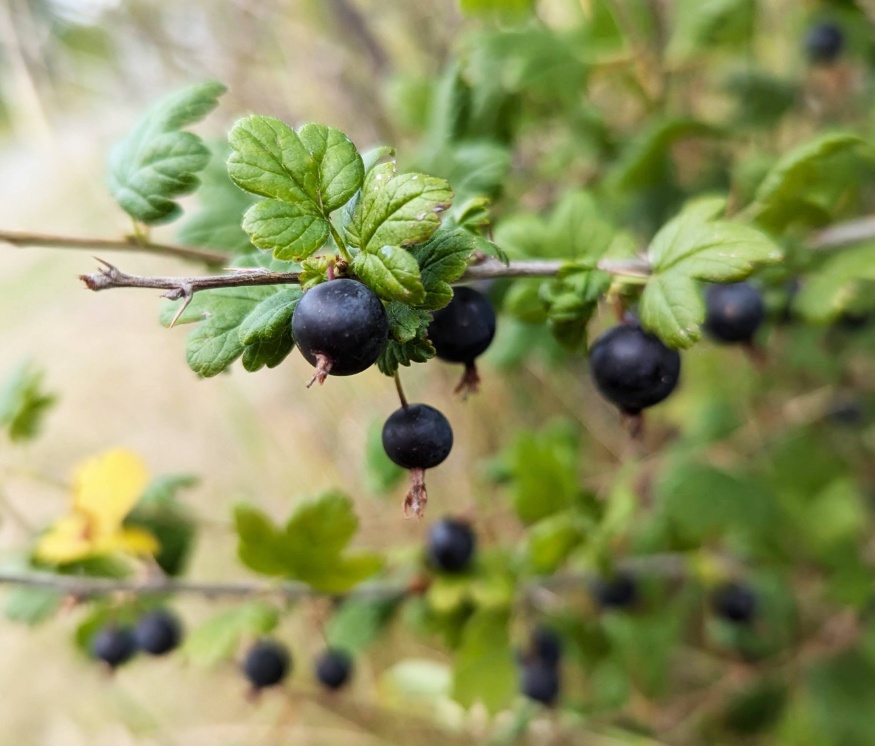
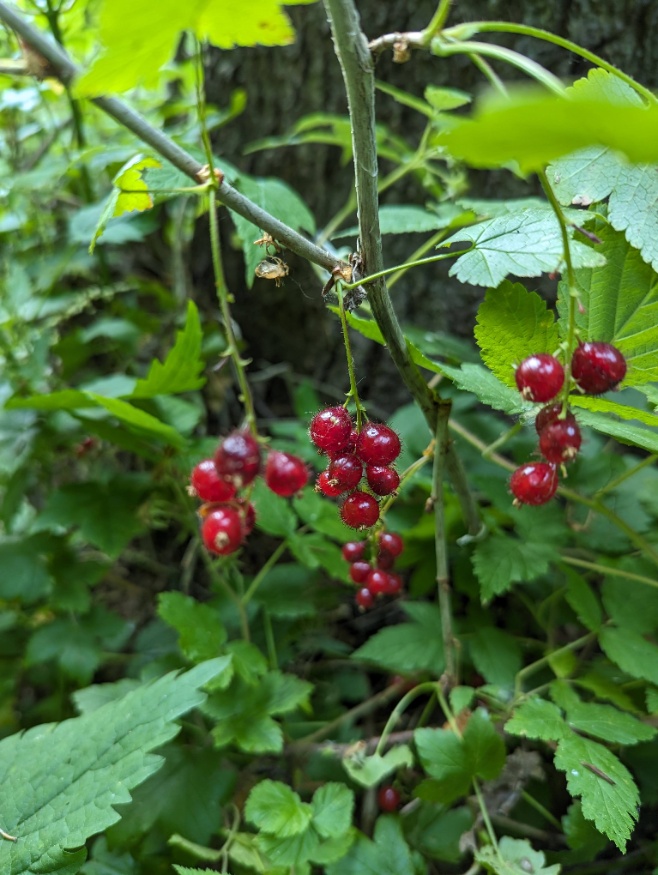
Currants and gooseberries (Ribes spp.) are deciduous shrubs native to temperate regions of Europe, Asia, and North America. They grow 2–6 feet tall with multi-stemmed, rounded to upright forms. Spring brings clusters of small flowers, followed by tart, nutrient-rich berries in summer. The shrubs prefer acidic, moist, well-drained soils and tolerate partial shade. Currants and gooseberries are long-lived, attractive to pollinators, and provide food for birds and humans. Their combination of edible fruit, ornamental flowers, and ecological benefits makes them valuable in gardens, hedgerows, and naturalized plantings.
Traditional Use
Folk Use
Currants and gooseberries have been used for centuries as food and medicine. Berries were eaten fresh, cooked, or dried for winter storage. They were used to treat mild digestive issues, urinary complaints, and support circulation. Leaf and berry infusions were consumed as tonics for blood and kidney health. Folk traditions also valued the berries for their tart flavor and nutritive properties, while the leaves and stems were occasionally used for minor medicinal applications.
Chinese Medicine
Not classical in Chinese medicine, but the berries and leaves are considered slightly sour and cooling. They are used to support digestion, urinary health, and circulatory balance. Berry infusions may help strengthen tissues and provide antioxidant protection.
Special Chemistry
Rich in vitamin C, anthocyanins, flavonoids, and tannins, contributing antioxidant, astringent, and anti-inflammatory properties.
Signature
Clusters of small, colorful berries symbolize abundance, nourishment, and protective qualities.
Combinations
Combine with elderberry, blueberry, or rosehip in teas or syrups for digestive, urinary, or circulatory support.
Precautions
Generally safe; raw leaves or stems should not be consumed in large quantities.
| Medicinal Species | Ribes rubrum, Ribes nigrum, Ribes uva-crispa, Ribes sanguineum |
|---|---|
| Tastes | sweet, sour, astringent |
| Organ Systems | circulatory, digestive, urinary, nervous, integumentary (skin, hair, nails) |
| Thermal Nature | cool |
| Moisture | moistening |
| Parts Used | stems, leaves, berries |
| Preparations | decoction, tea/infusion, tincture, powder, syrup |
| Organs and Tissue | stomach, small intestine, kidneys, mucosa, blood |
Growing Guide
Currants and gooseberries (Ribes spp.) prefer moist, fertile, well-drained soils with full sun to partial shade. Mulch to retain soil moisture and reduce weeds. Propagate via cuttings or stratified seeds. Hardy to zone 3, these shrubs benefit from annual pruning to encourage new growth and improve air circulation. Currants and gooseberries produce abundant flowers in spring, followed by clusters of edible berries in summer, providing food for wildlife and humans. They are long-lived, easy to cultivate, and valuable for ornamental and ecological plantings.