
About This Plant
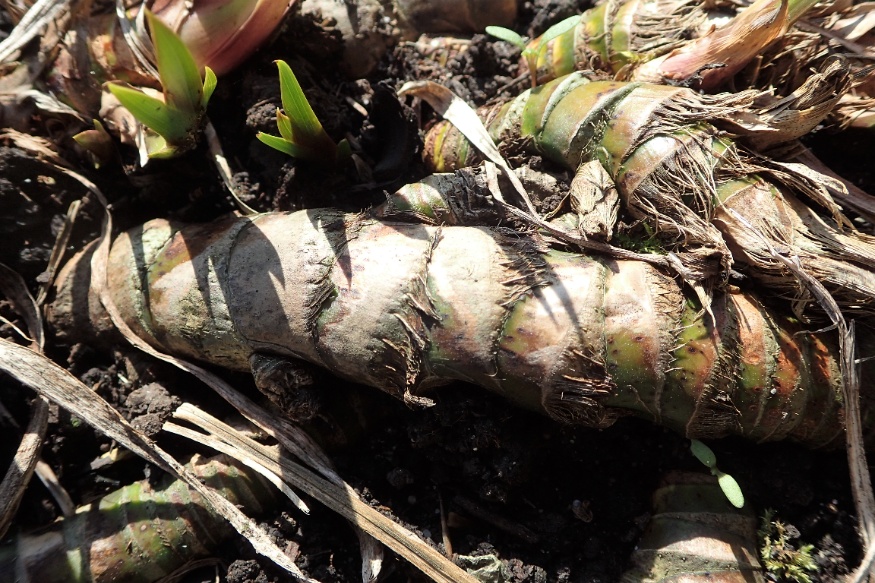
Sweet flag (Acorus calamus) is a distinctive wetland plant recognized by its tall, sword-like leaves and aromatic rhizomes. The plant grows along marshes, pond margins, and slow-moving streams where its roots remain in consistently moist soil or shallow water. Its upright leaves resemble those of iris, forming dense clumps that add vertical texture to wetland landscapes.
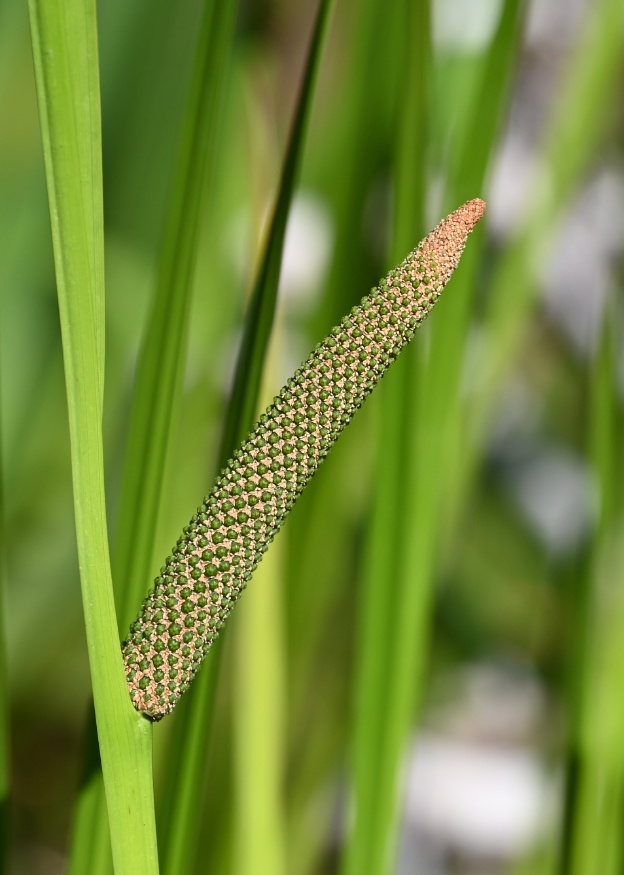
When crushed, the leaves and rhizomes release a strong spicy fragrance that has made the plant notable in herbal traditions. In early summer, sweet flag produces a small, cylindrical flowering spike that emerges from the side of a leaf-like stalk. Although not particularly showy, the structure is an identifying feature of the species.
For centuries sweet flag has been valued for its aromatic underground stems. Herbal traditions across Asia and Europe have used the rhizome for digestive support, respiratory conditions, and general vitality. Because the plant thrives in moist habitats, it is often planted in water gardens and wetland restoration areas. Its graceful foliage and long cultural history make sweet flag a fascinating and enduring wetland herb.
Traditional Use
Folk Use
Chinese Medicine
Combinations
Precautions
| Medicinal Species | Acorus calamus |
|---|---|
| Tastes | bitter, acrid/pungent |
| Organ Systems | digestive, respiratory, nervous |
| Thermal Nature | warm |
| Moisture | drying |
| Preparations | decoction, tincture, powder |
| Organs and Tissue | lungs, stomach |