About This Plant

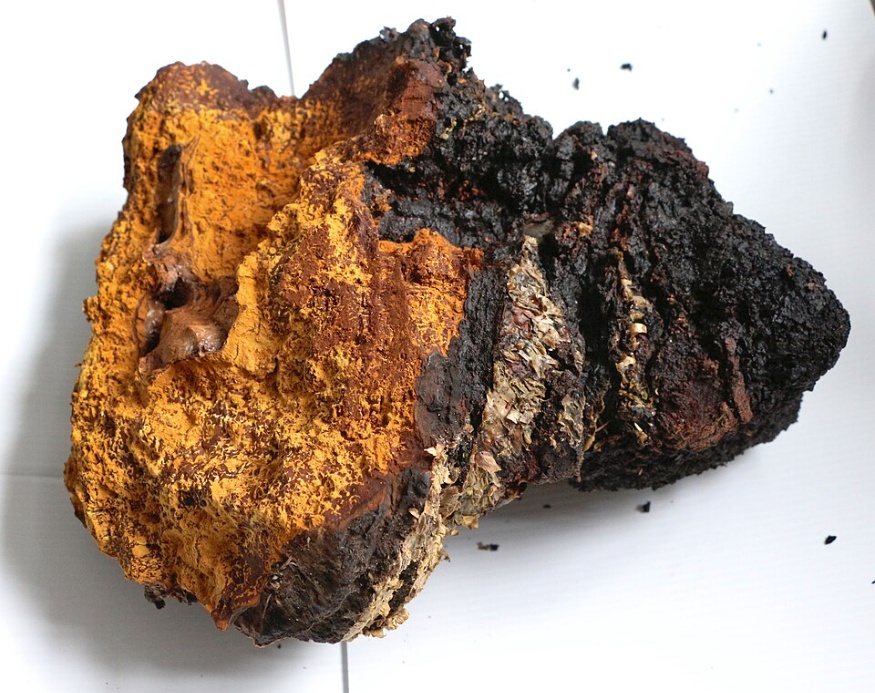
Chaga (Inonotus obliquus) is a parasitic medicinal fungus most commonly found growing on birch trees throughout the cold forests of the Northern Hemisphere. Rather than forming a typical mushroom cap, it develops as a large, irregular black mass that protrudes from the bark of infected trees. This hardened outer layer looks like charred wood, while the interior is a softer golden-brown corky tissue.

The fungus grows slowly, sometimes taking many years to form large conks. It typically infects birch species through wounds in the bark and gradually feeds on the tree over decades. Eventually the fungus produces reproductive structures inside the dying host tree, completing its life cycle.

Chaga is most abundant in northern forests across Siberia, Scandinavia, northern Europe, Canada, and parts of the northern United States. It prefers mature birch stands in cool climates and shaded forest environments.

Historically valued as both a medicinal fungus and a survival beverage, chaga has been prepared as a dark, earthy tea for centuries. Its high concentration of antioxidant compounds and immune-supportive polysaccharides has made it one of the most widely recognized medicinal fungi in modern herbal medicine.

Traditional Use

Folk Use

Chaga has a long history of use in northern folk medicine across Russia, Siberia, Scandinavia, and parts of Eastern Europe. Traditionally it was prepared as a dark tea by simmering pieces of the hardened black conk in water. This drink was commonly used as a general health tonic, especially during winter months when fresh plant foods were scarce. In Russian and Baltic traditions it was valued for digestive complaints such as stomach pain, ulcers, and gastritis. It was also consumed to strengthen resistance to illness and infections. Some communities used concentrated decoctions externally to wash skin conditions including eczema, psoriasis, and wounds. Siberian herbal traditions considered chaga a longevity tonic that supported overall vitality and endurance in harsh climates. It was sometimes burned as a slow smoldering fungus for medicinal smoke or used as a warming beverage in place of tea or coffee.

Chinese Medicine

Although chaga is not among the oldest classical Chinese herbs, it has been incorporated into modern Chinese and East Asian herbal practice as a medicinal fungus with properties somewhat similar to other tonic mushrooms. In energetic terms it is generally considered mildly bitter and cooling with a strong affinity for supporting the immune system and nourishing the blood. It is sometimes used to support the Spleen and Stomach, improving digestion and helping the body recover from weakness or chronic illness. Practitioners may employ it to clear heat and toxins while strengthening the body's defensive qi. Modern herbalists in Chinese medicine often use chaga extracts as an adjunct for immune modulation, chronic inflammation, and metabolic imbalance. It is commonly prepared as a long decoction or concentrated extract to draw out its polysaccharides and antioxidant compounds.

Special Chemistry

Chaga contains high levels of polysaccharides (particularly beta-glucans), triterpenoids, sterols, polyphenols, melanin-like pigments, and antioxidants. It also concentrates betulin and betulinic acid derived from the birch trees on which it grows. These compounds are associated with immune modulation, antioxidant activity, and anti-inflammatory effects.

Signature

The black, charred exterior resembles burnt wood or charcoal growing directly from birch trees, suggesting a relationship with purification and resilience. Its ability to survive harsh northern climates and slowly draw nutrients from living trees has been interpreted as a symbol of endurance and deep restorative power.

Combinations

Chaga is often combined with other medicinal mushrooms such as reishi, turkey tail, and lion's mane for immune and adaptogenic formulas. In tonic blends it may also be paired with astragalus, eleuthero, or schisandra to support resilience, metabolism, and recovery from chronic stress.

Precautions

Generally considered safe when used in moderate amounts. Chaga is high in oxalates and excessive consumption may contribute to kidney issues in susceptible individuals. Because it may influence blood sugar and immune activity, caution is advised for people taking diabetes medications, immune-suppressing drugs, or blood thinners. Long-term heavy use should be avoided without professional guidance.

Medicinal SpeciesInonotus obliquus
Tastesbitter, astringent
Organ Systemscirculatory, digestive, immune/lymphatic, integumentary (skin, hair, nails)
Thermal Naturecool
Moisturedrying
Preparationsdecoction, extract, tea/infusion, tincture, capsule, powder
Organs and Tissuestomach, liver, spleen, blood

Growing Guide

Chaga cannot be cultivated like typical plants because it is a parasitic fungus that grows primarily on living birch trees, especially paper birch and yellow birch. In nature it spreads through airborne spores that infect wounds or damaged bark. Commercial cultivation generally involves inoculating healthy birch trees with fungal plugs or spores and allowing the fungus to develop slowly over many years. The characteristic black conk may take 5–10 years to form and decades to mature. Forest environments with cold winters and healthy birch stands are essential for natural growth.