About This Plant
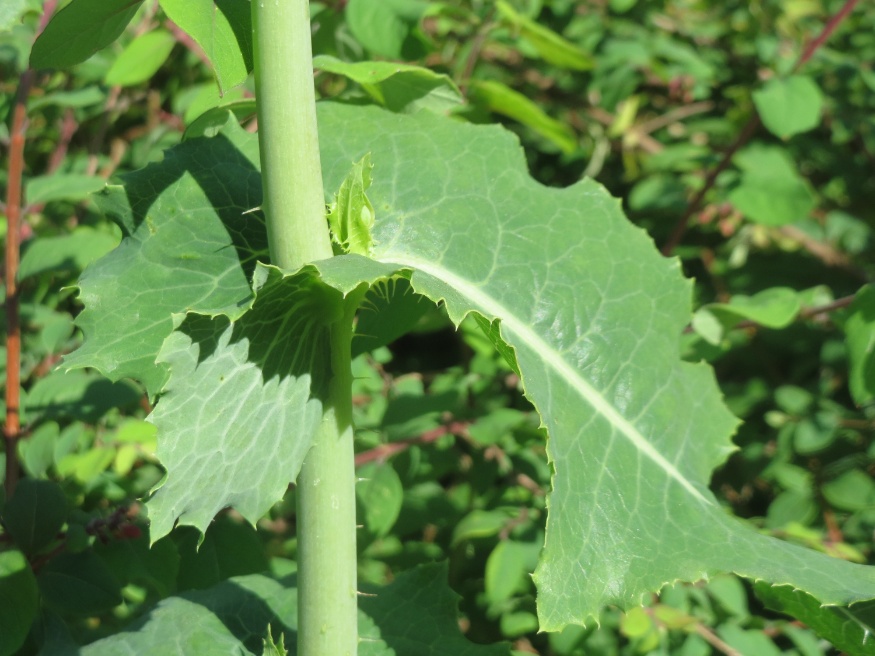
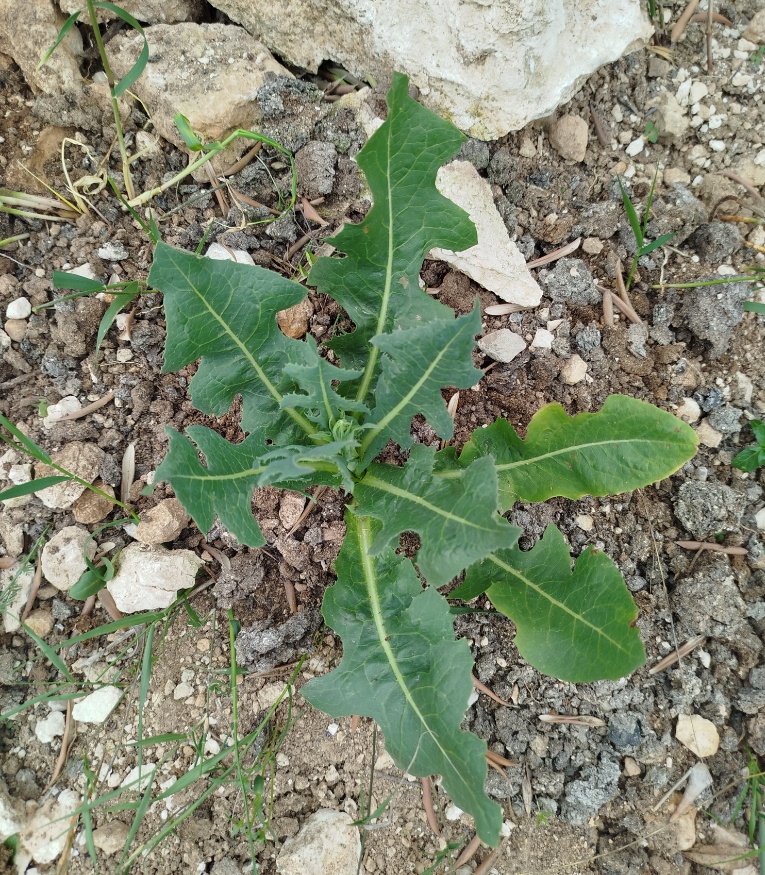
Wild lettuce (Lactuca virosa) is a tall and somewhat striking herb that often appears along roadsides, open fields, and other disturbed areas. The plant begins as a modest rosette of leaves but soon sends up a strong central stem that can reach several feet in height. The leaves are elongated and sometimes spiny along the edges, clasping the stem as they grow upward.
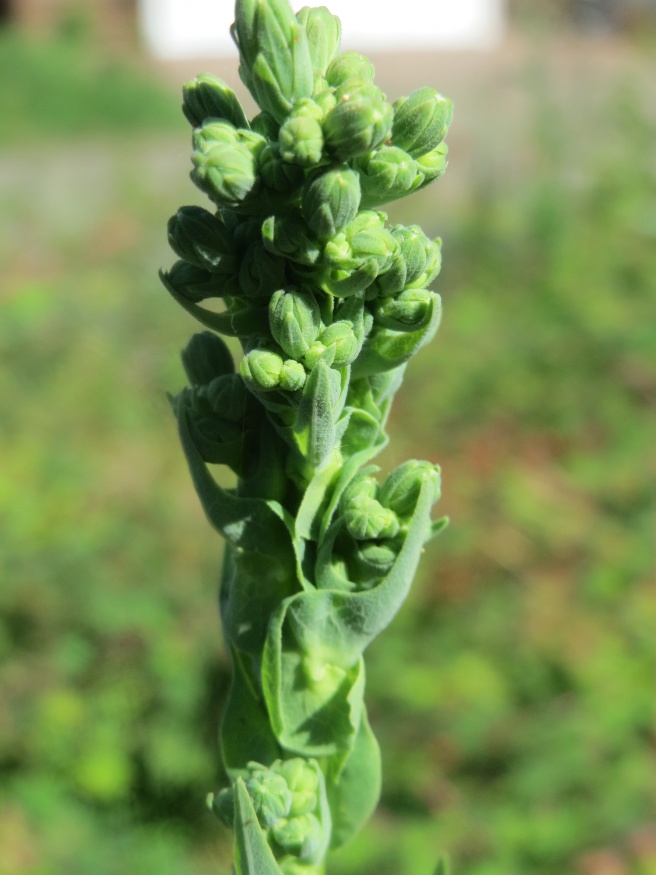
During summer, branching stems carry clusters of small yellow flowers that resemble those of cultivated lettuce or dandelion relatives. When the plant is cut or broken, it releases a white milky sap that has long been associated with its traditional medicinal uses.
Wild lettuce has been known in European herbal traditions for centuries as a plant with calming properties. The latex extracted from the stems was historically collected and dried for use in herbal preparations. Though less commonly used today, the plant remains of interest to herbalists and naturalists who appreciate its unique place among wild medicinal herbs. Its tall form and delicate flowers make it a noticeable presence in open landscapes where it grows naturally.
Traditional Use
Folk Use
Chinese Medicine
Combinations
Precautions
| Medicinal Species | Lactuca virosa |
|---|---|
| Tastes | bitter |
| Organ Systems | respiratory, nervous |
| Thermal Nature | cool |
| Moisture | drying |
| Parts Used | leaves |
| Preparations | extract, tea/infusion, tincture |
| Organs and Tissue | lungs |