About This Plant
White peony is a long-lived perennial known for its elegant blooms and deep medicinal roots. Native to Asia and widely cultivated in gardens, it has been cherished for centuries both as an ornamental and as a foundational herb in traditional medicine systems. Its large, fragrant flowers and lush foliage make it a standout in any landscape.
In its natural habitat, white peony grows along forest edges and open hillsides, where it receives ample sunlight and benefits from well-drained soils. It thrives in temperate climates and can tolerate cold winters, returning reliably each spring from its underground root system.
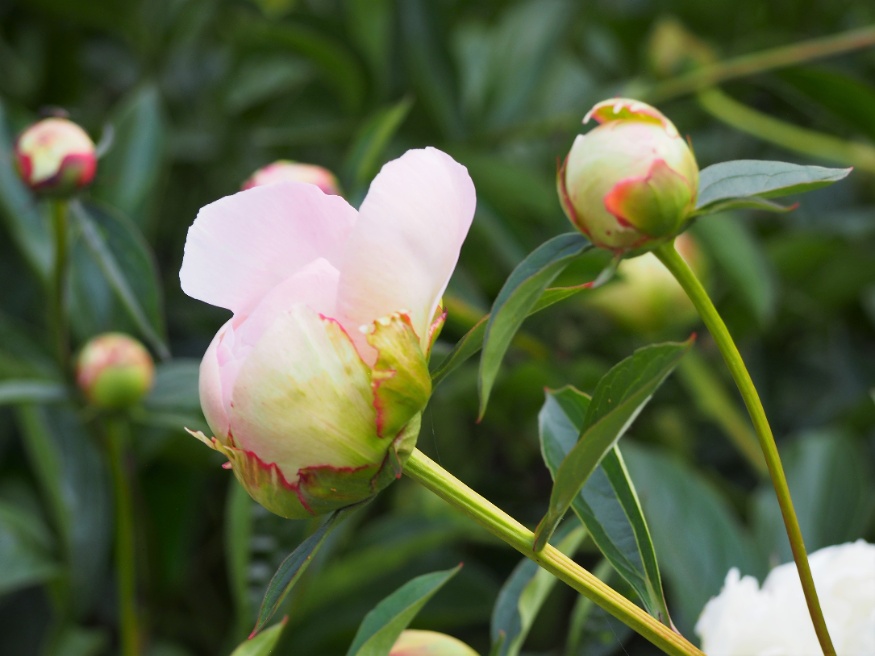
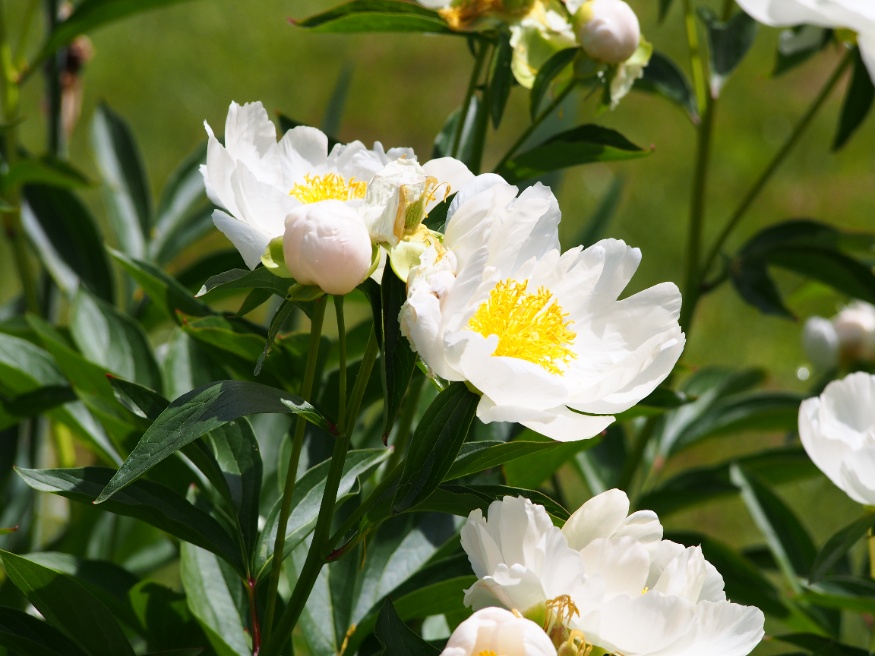
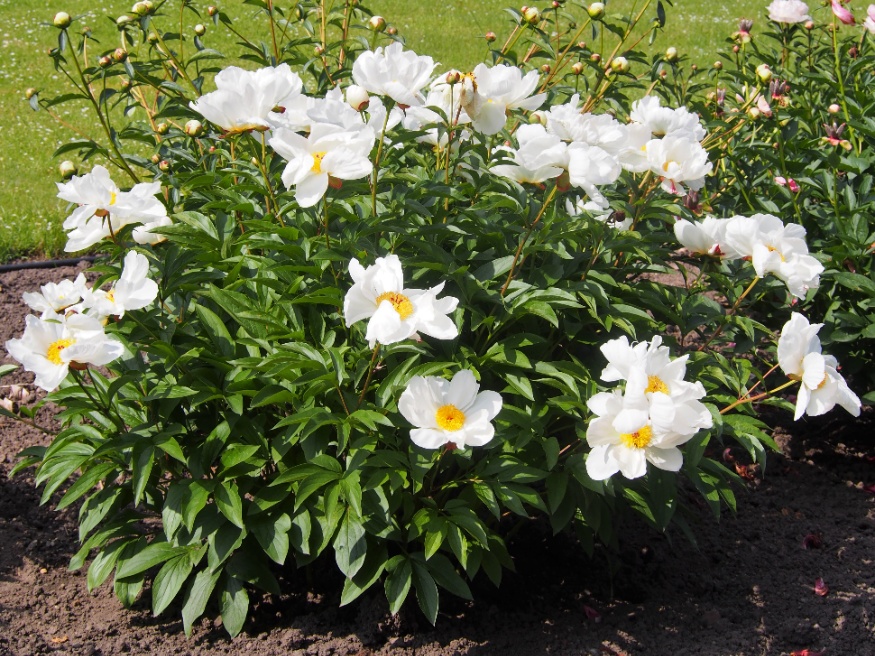
The plant forms a rounded clump of dark green, divided leaves and produces large, showy flowers in late spring to early summer. These blooms range from pure white to soft pink and are often highly fragrant. Beneath the soil, the thick, fleshy roots are the primary medicinal part.
Historically, white peony has played a central role in Chinese herbal medicine, where it is valued for its ability to nourish the blood and regulate internal balance. It is a key ingredient in many classic herbal formulas and has been used for conditions ranging from menstrual irregularities to emotional tension.
Medicinally, the root is known for its calming and harmonizing properties. It supports the liver, soothes spasms, and helps regulate the reproductive system. While not commonly used as a food, its role in herbal medicine is profound, making it one of the most respected and widely used plant roots in traditional healing practices.
Traditional Use
Folk Use
White peony root has a long history of use in East Asian herbal traditions, particularly in women’s health. It has been used to regulate menstruation, relieve cramps, and support overall reproductive balance. In traditional practice, it is often paired with other herbs to harmonize the blood and ease tension.
It has also been used as a mild sedative and antispasmodic, helping to calm nervous system tension and relieve muscle cramps. In some traditions, it is used for headaches, dizziness, and emotional irritability.
Its gentle, nourishing qualities make it suitable for long-term use in chronic conditions, especially those involving deficiency or imbalance.
Chinese Medicine
Known as Bai Shao, white peony root is a fundamental herb in traditional Chinese medicine. It nourishes the blood, preserves yin, and softens the liver. It is commonly used in formulas to regulate menstruation, alleviate pain, and calm liver yang.
White peony is frequently combined with licorice to relieve muscle spasms and abdominal pain. It is also used in formulas addressing emotional imbalance, particularly irritability and mood swings associated with liver disharmony.
Special Chemistry
White peony contains paeoniflorin and other glycosides, which contribute to its anti-inflammatory, antispasmodic, and immunomodulating effects. These compounds support its use in both nervous system and reproductive conditions.
Signature
The soft, layered petals of the peony reflect its gentle, nourishing action on the blood and emotional body, softening tension and restoring balance.
Combinations
Often combined with licorice for spasms, and with angelica species for blood tonification and menstrual regulation.
Precautions
Generally safe when used appropriately, but should be used cautiously during pregnancy unless under professional guidance.
| Medicinal Species | Paeonia lactiflora |
|---|---|
| Tastes | bitter, sour |
| Organ Systems | circulatory, hepatobiliary (liver & gallbladder), reproductive |
| Thermal Nature | cool |
| Moisture | moistening |
| Parts Used | roots |
| Preparations | decoction, powder |
| Organs and Tissue | liver, blood |
Growing Guide
White peony is typically grown from root divisions rather than seed due to its slow germination and long maturation period. If growing from seed, expect a double dormancy requiring warm and cold stratification over two seasons.
Plant roots in the fall in a well-drained, fertile soil enriched with compost. Choose a location with full sun to partial shade, ensuring good air circulation. Peonies prefer slightly alkaline to neutral soils and do not tolerate waterlogged conditions.
Plant roots shallowly, with buds (eyes) no more than 1–2 inches below the soil surface. Water regularly during establishment but avoid overwatering once mature. Peonies are long-lived perennials that dislike disturbance, so choose a permanent planting site.
Mulching can help retain moisture, but avoid covering the crown too deeply. Once established, peonies require minimal maintenance and will return reliably each year with increasing vigor.