About This Plant
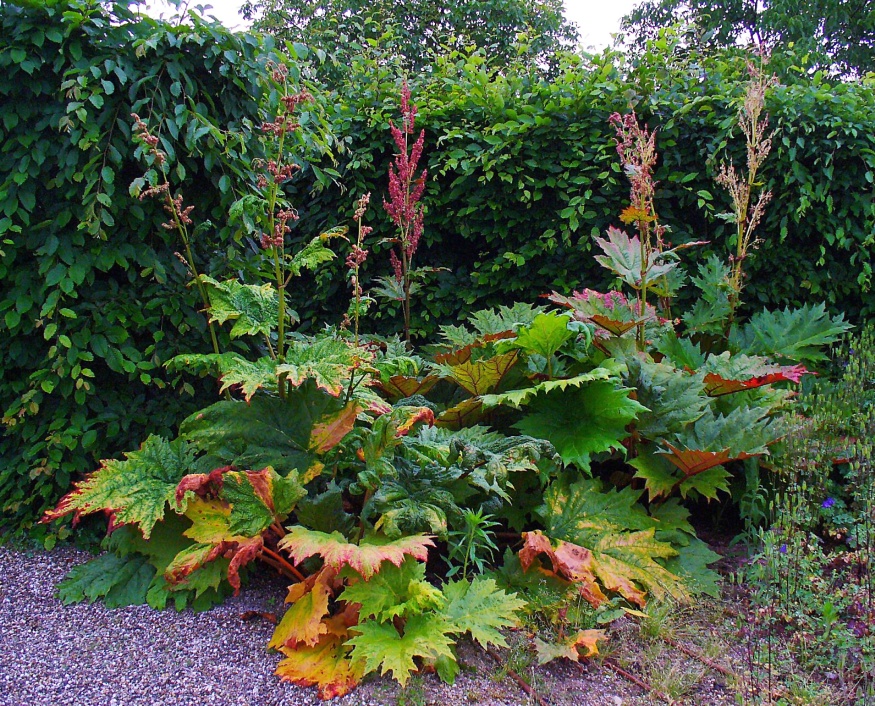
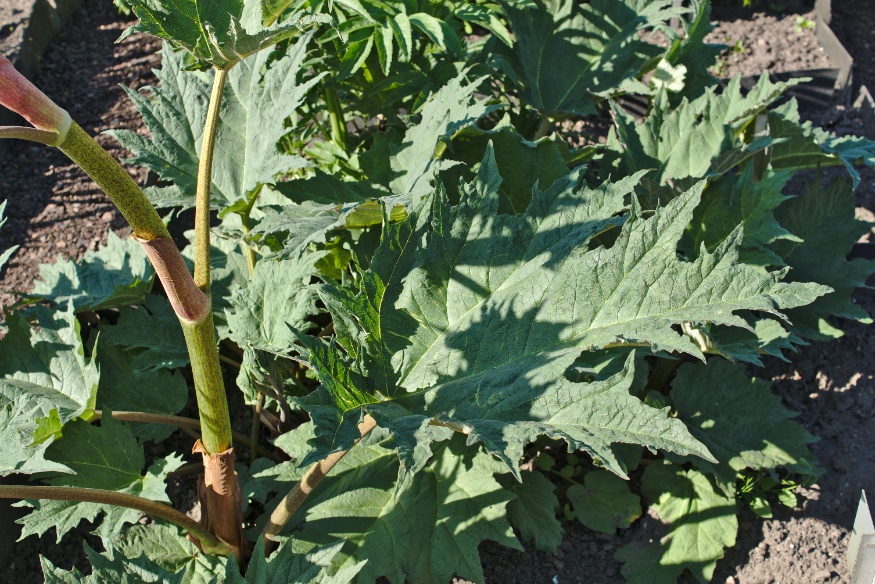
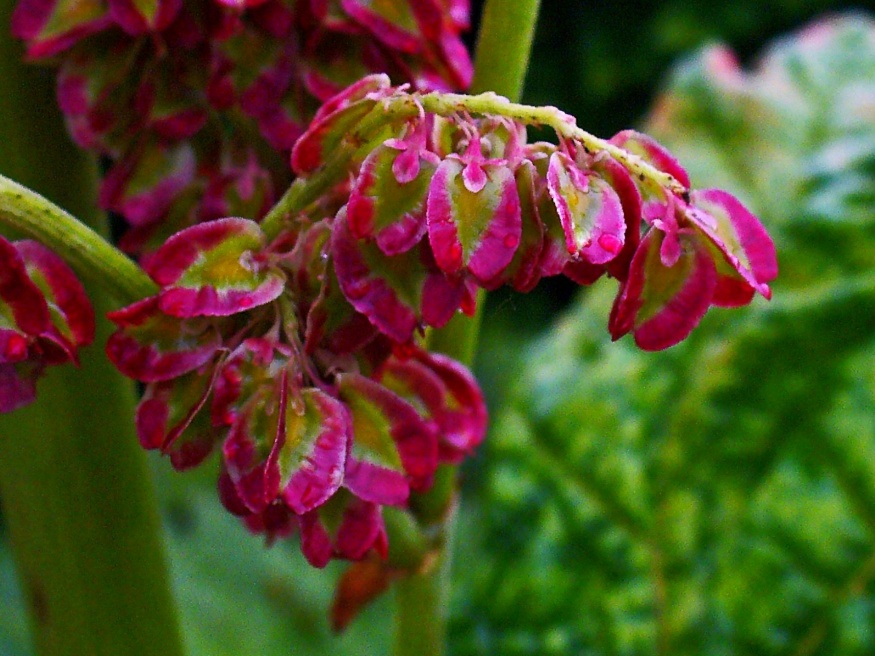
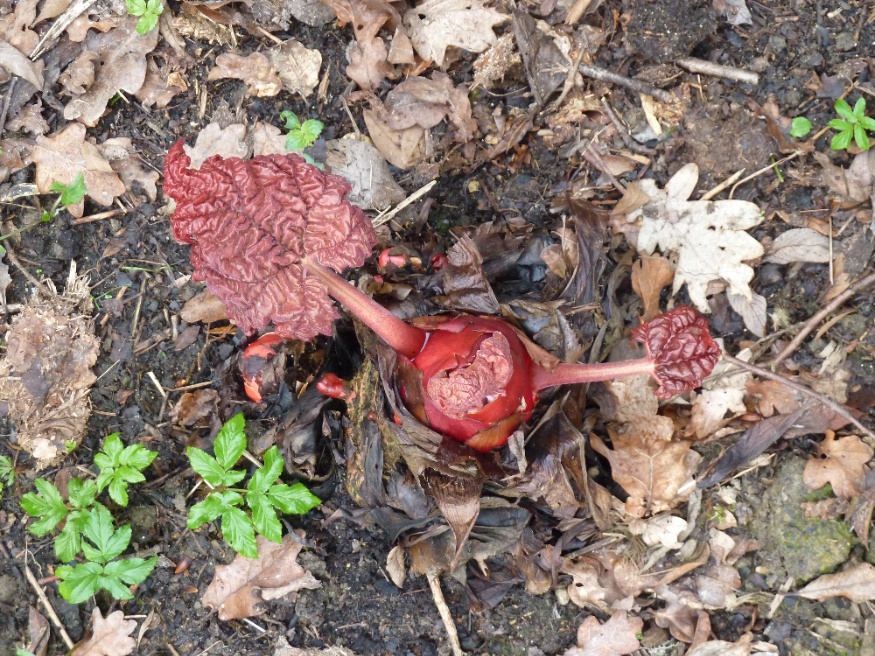
Turkey rhubarb (Rheum palmatum) is a large and striking perennial known for its bold foliage and commanding presence. The plant produces massive, deeply lobed leaves that can span several feet across, creating a dramatic visual effect in the garden. Thick, upright stems rise above the foliage, often bearing clusters of small flowers.
Native to mountainous regions of Asia, this species thrives in fertile soils with adequate moisture. It prefers cool climates and can grow to impressive heights when conditions are favorable. Its large leaves and sturdy structure make it well suited as a focal point in garden settings.
The root of turkey rhubarb has a long history of use in traditional medicine systems, particularly for its strong effects on digestion. It has been valued for centuries as a powerful herbal remedy.
With its bold form and deep-rooted history, turkey rhubarb stands out as both an ornamental and medicinal plant, offering a strong visual presence along with a long-standing place in herbal traditions.
Traditional Use
Folk Use
Chinese Medicine
Combinations
Precautions
| Medicinal Species | Rheum palmatum, Rheum officinale |
|---|---|
| Tastes | bitter |
| Organ Systems | digestive, lower gi |
| Thermal Nature | cold |
| Moisture | drying |
| Parts Used | roots |
| Preparations | decoction, extract, powder |
| Organs and Tissue | small intestine |