About This Plant
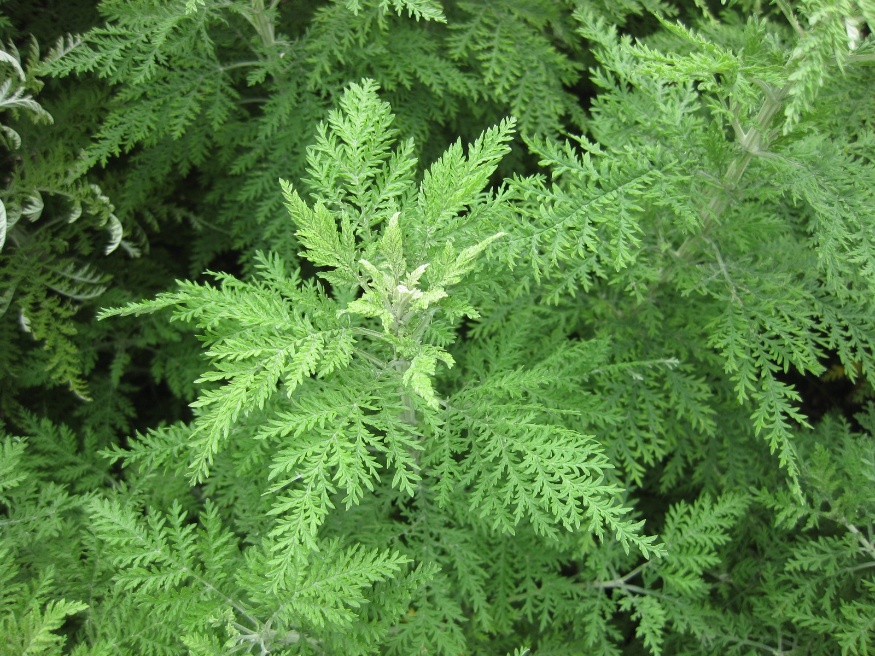
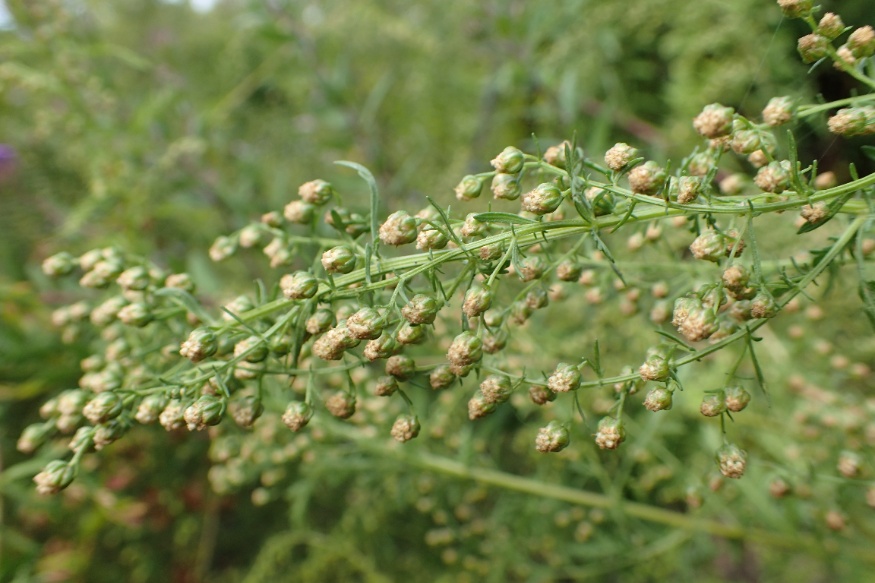
Sweet wormwood (Artemisia annua) is a tall, aromatic annual herb recognized for its finely divided, feathery foliage and distinctive fragrance. Native to parts of Asia, the plant grows quickly during warm months and may reach impressive heights before producing clusters of small yellow-green flowers in late summer. Its airy branches create a soft, fern-like texture that contrasts beautifully with other garden plants.
Historically, sweet wormwood has been valued in traditional herbal medicine, particularly in Chinese herbal practice where it has been used for centuries to treat fevers and heat-related illnesses. The leaves contain compounds that have attracted considerable scientific interest, leading to modern medicinal applications derived from the plant.
In the garden, sweet wormwood prefers sunny locations with well-drained soil. It often appears along field edges or disturbed ground where it grows vigorously during a single season. Gardeners sometimes cultivate the plant not only for its medicinal significance but also for its ornamental qualities. When dried, its fragrant foliage is occasionally used in wreaths and decorative arrangements, adding to the plant's long history of practical and cultural uses.
Traditional Use
Folk Use
Chinese Medicine
Combinations
Precautions
| Medicinal Species | Artemisia annua |
|---|---|
| Tastes | bitter |
| Organ Systems | digestive, immune/lymphatic |
| Thermal Nature | cool |
| Moisture | drying |
| Parts Used | leaves, flowers |
| Preparations | extract, tea/infusion, tincture |
| Organs and Tissue | stomach, blood |