About This Plant
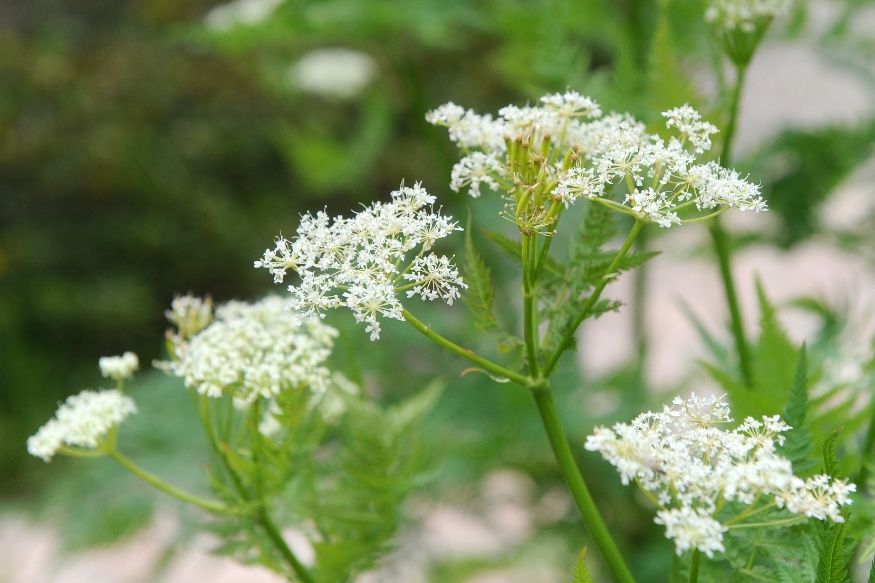
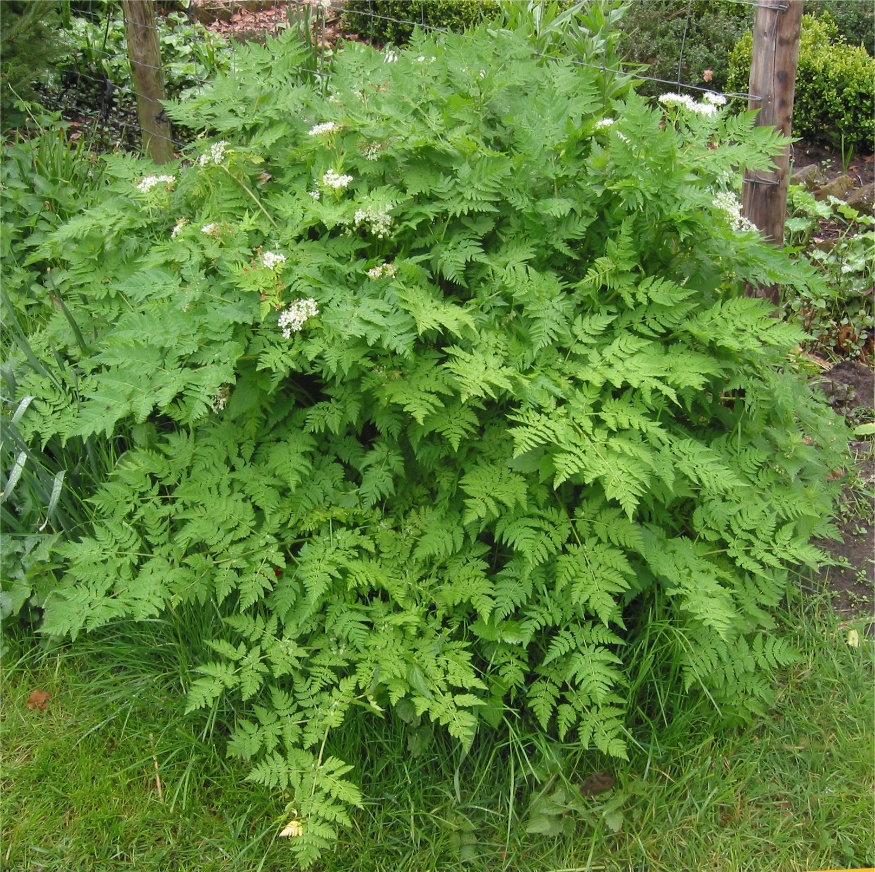
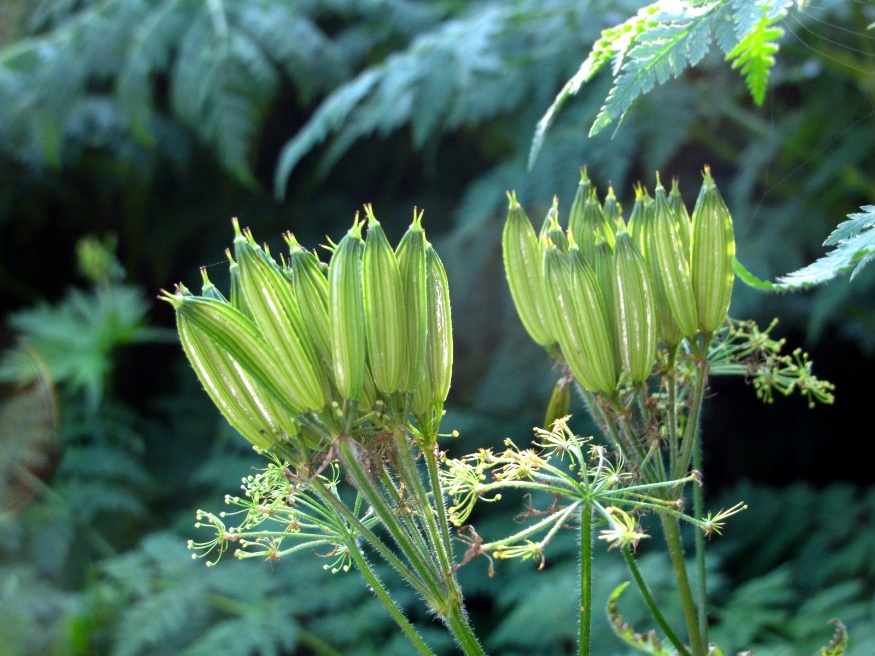
Sweet cicely (Myrrhis odorata) is a graceful perennial herb known for its soft, fern-like foliage and sweet, anise-like aroma. The plant forms loose clumps of finely divided leaves that create a delicate texture in garden settings. In late spring to early summer, it produces airy clusters of small white flowers that attract a variety of pollinators.
Native to Europe, sweet cicely thrives in moist, fertile soils and is especially well suited to woodland edges and shaded garden areas. It grows best in partial shade but can tolerate full sun when soil moisture is sufficient. Once established, it may self-seed and gradually naturalize in favorable conditions.
The plant has a long history of use as both a food and medicinal herb. Its leaves, seeds, and roots all carry a mild sweetness, making it a versatile addition to culinary and herbal preparations. Traditionally, it has been appreciated for its ability to balance flavors and support digestion.
With its soft texture, pleasant fragrance, and adaptability to shaded environments, sweet cicely is a valuable plant in both edible and medicinal landscapes.
Traditional Use
Folk Use
Chinese Medicine
Combinations
Precautions
| Medicinal Species | Myrrhis odorata |
|---|---|
| Tastes | sweet |
| Organ Systems | digestive, respiratory |
| Thermal Nature | warm |
| Moisture | moistening |
| Parts Used | roots, leaves, seeds |
| Preparations | tea/infusion |
| Organs and Tissue | lungs |