About This Plant
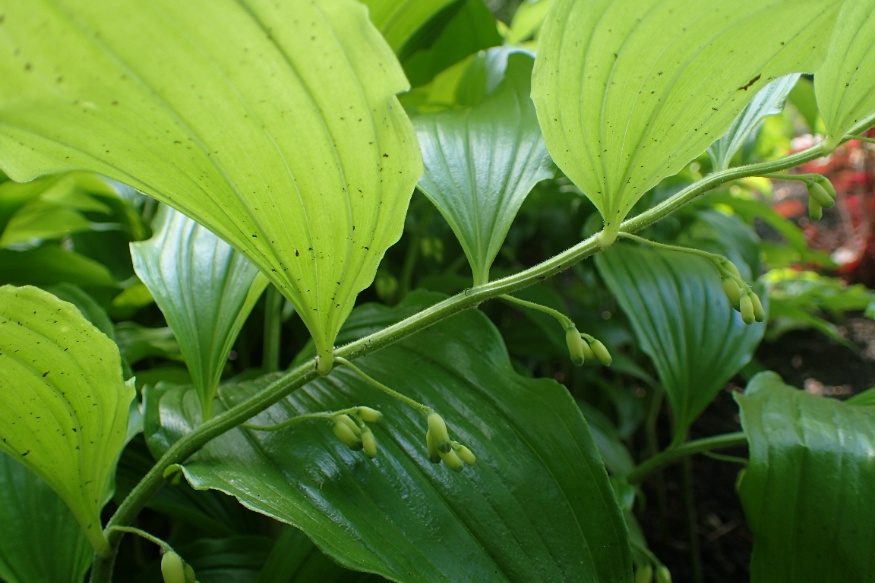
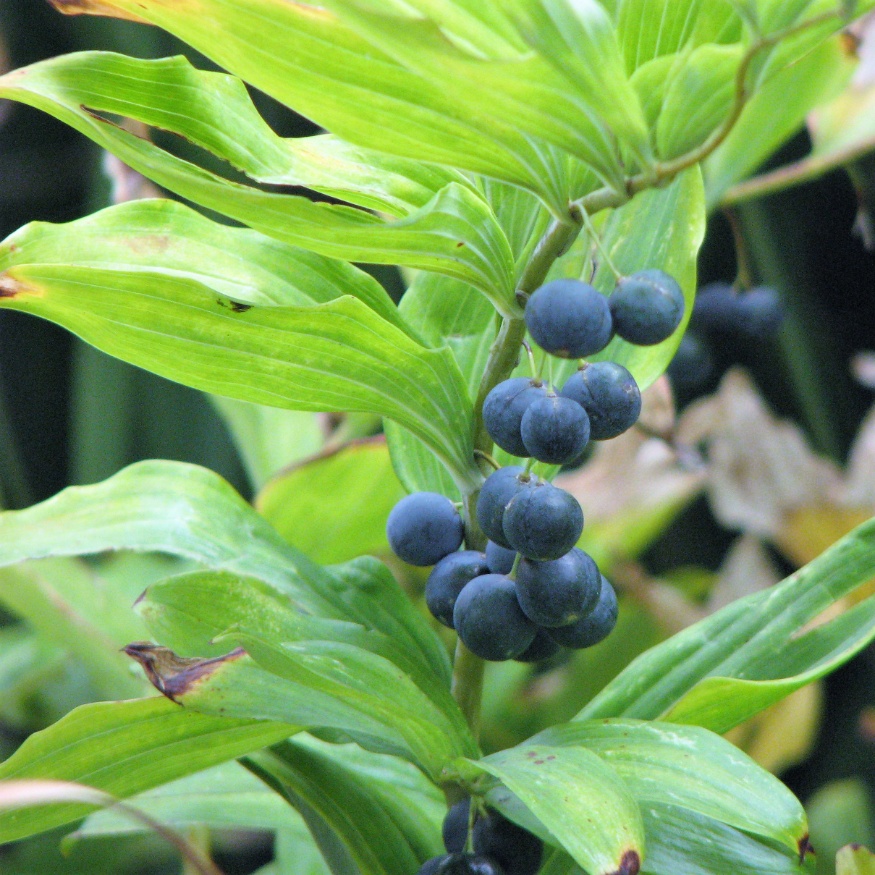
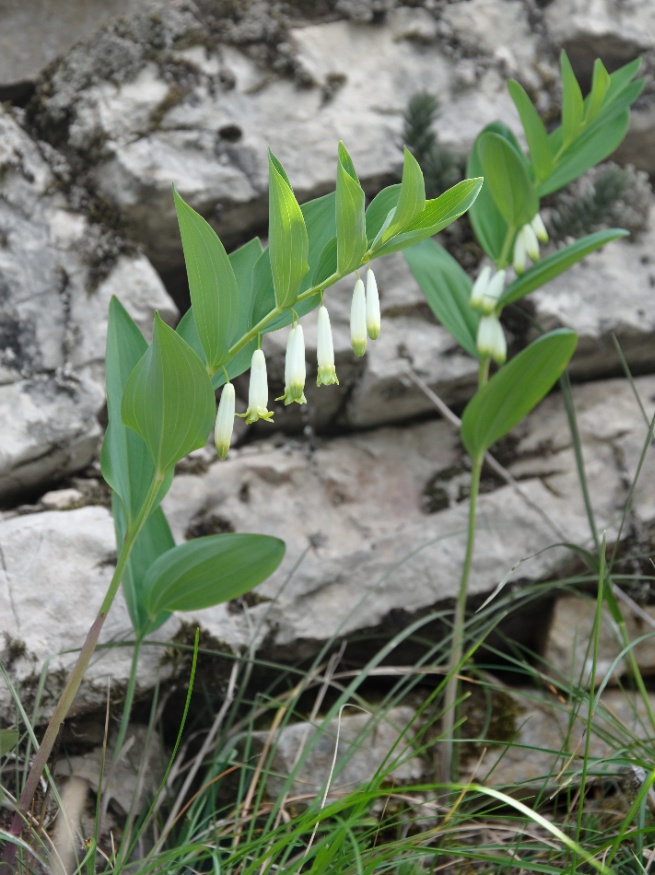
Solomon's seal (Polygonatum spp.) is a graceful woodland plant recognized for its arching stems and delicate, hanging flowers. The stems curve gently outward, bearing alternating leaves that create a layered, flowing appearance. Beneath the arching foliage, small tubular flowers hang in pairs or clusters, later developing into dark berries.
This plant thrives in shaded forest environments where the soil remains moist and rich in organic matter. It spreads slowly through underground rhizomes, forming long-lived colonies that return year after year. Its understated beauty makes it a favorite in woodland gardens and naturalized settings.
The name "Solomon's seal" is thought to refer to the markings left on the rhizome after stems die back, which resemble small seals or stamps. These rhizomes have been valued in traditional herbal practices for their nourishing and restorative qualities.
With its elegant form and preference for shaded habitats, Solomon's seal adds a sense of calm and continuity to forest landscapes, where it grows quietly among other understory plants.
Traditional Use
Folk Use
Chinese Medicine
Combinations
Precautions
| Medicinal Species | Polygonatum biflorum, Polygonatum odoratum, Polygonatum multiflorum |
|---|---|
| Tastes | bitter, sweet |
| Organ Systems | respiratory, reproductive, skeletal |
| Thermal Nature | neutral |
| Moisture | moistening |
| Parts Used | roots |
| Preparations | decoction, tincture, powder |
| Organs and Tissue | lungs, muscle & connective tissue |