About This Plant
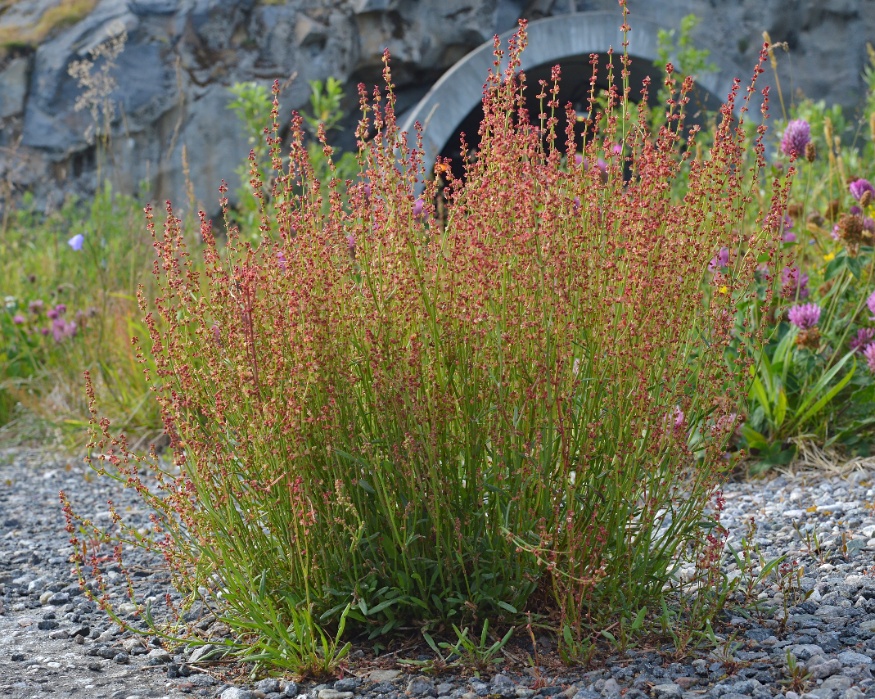
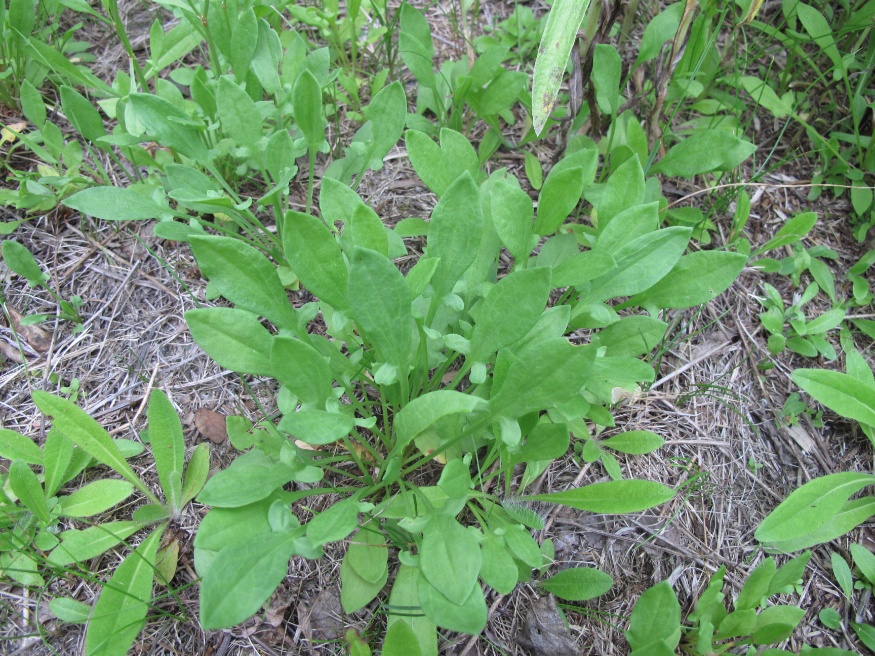
Sheep sorrel (Rumex acetosella) is a small, hardy perennial herb commonly found in open fields, sandy soils, and disturbed ground. Its slender stems rise from a network of creeping roots, forming low patches of arrow-shaped leaves that are easily recognized by their distinctive lobes. The leaves have a bright, tangy flavor that reflects their natural acidity.
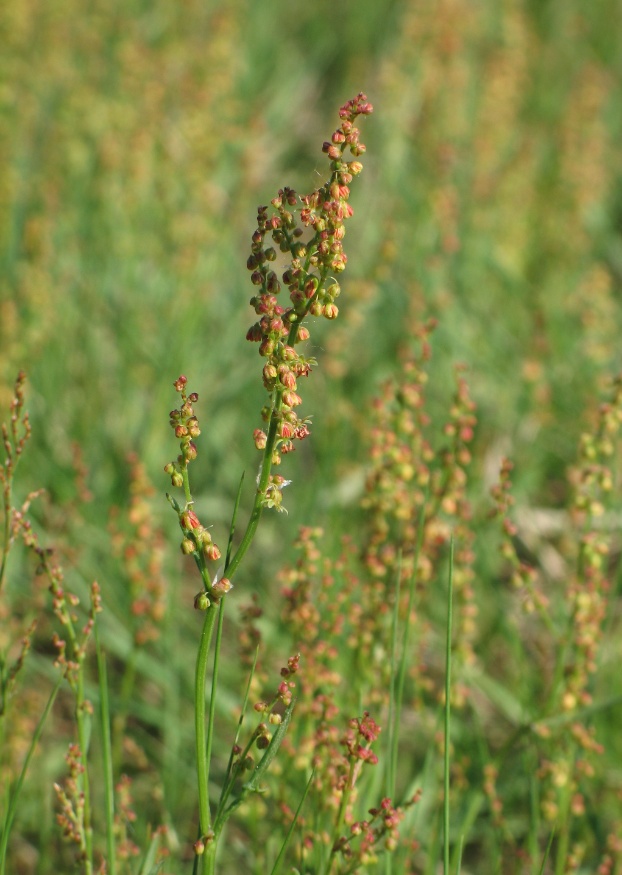
During the growing season, the plant produces delicate reddish-green flower clusters that sway lightly above the foliage. Though subtle in appearance, these flowers contribute to the plant's ability to spread widely across suitable habitats. Sheep sorrel thrives in poor, acidic soils where many other plants struggle, making it a familiar presence in meadows and along pathways.
Historically, sheep sorrel has been valued as both a food and a medicinal herb. The leaves were often gathered in spring and added to salads or soups, providing a fresh, sour note after winter months. Its resilience and ability to colonize challenging environments make it an important part of early successional plant communities, where it helps stabilize soil and create conditions for other species to follow.
Traditional Use
Folk Use
Chinese Medicine
Combinations
Precautions
| Medicinal Species | Rumex acetosella |
|---|---|
| Tastes | sour |
| Organ Systems | digestive, urinary |
| Thermal Nature | cool |
| Moisture | drying |
| Parts Used | leaves |
| Preparations | tea/infusion |
| Organs and Tissue | kidneys |