About This Plant
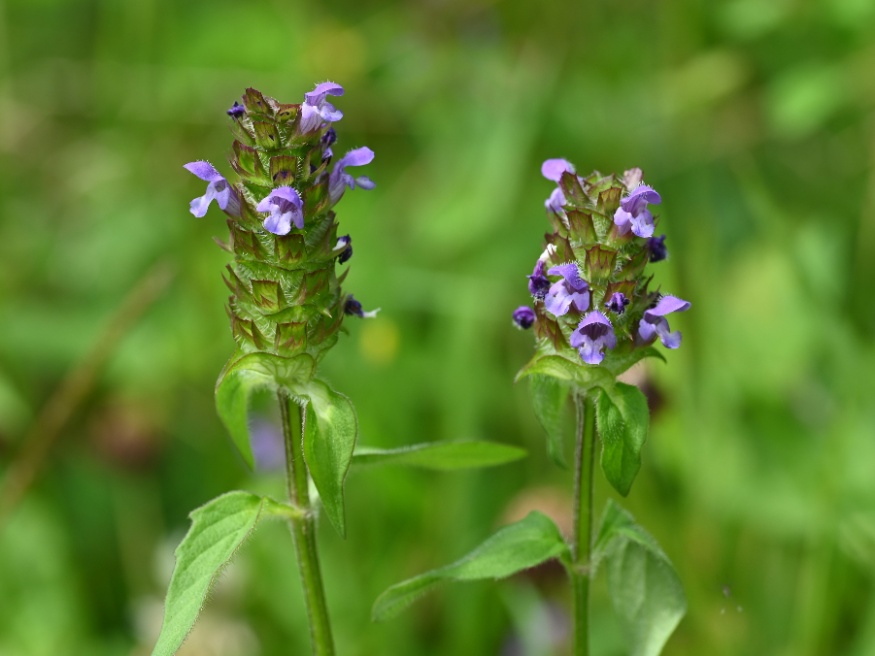
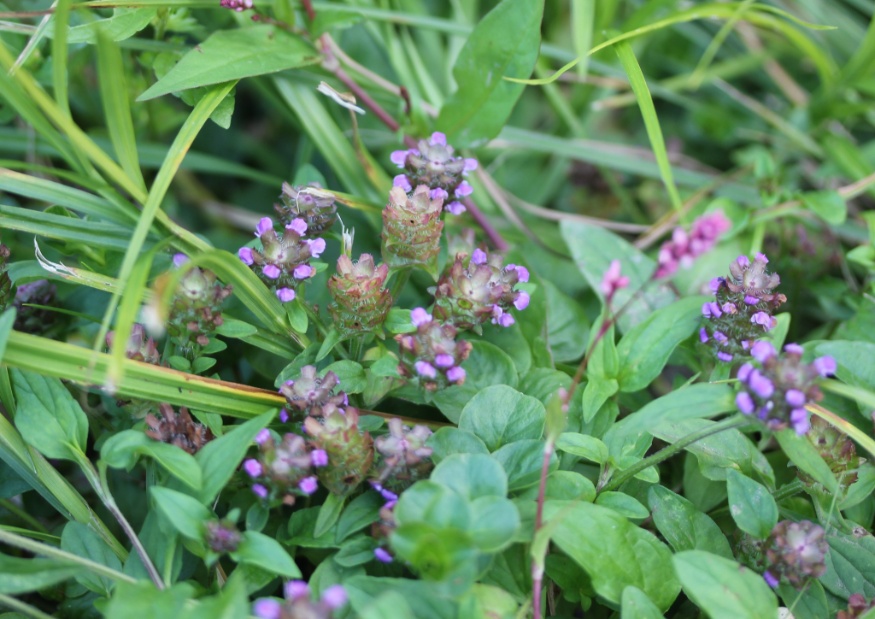
Self-heal (Prunella vulgaris) is a low-growing perennial herb commonly found in meadows, lawns, and along forest edges. Its creeping stems spread outward to form dense mats of green foliage, making it an effective ground cover in naturalized settings. The plant's small, tubular purple flowers cluster into compact heads that rise just above the leaves, adding subtle color throughout the growing season.
Adaptable and resilient, self-heal thrives in a variety of conditions, from sunny open spaces to lightly shaded areas. It tolerates mowing and foot traffic, allowing it to persist in lawns and other frequently disturbed environments. This durability has helped it become widely distributed across many regions of the world.
Historically, self-heal has been regarded as a versatile medicinal herb. Its name reflects a long-standing reputation for supporting the body's natural healing processes. The leaves and flowers have been used in teas, salves, and other preparations.
With its ability to spread easily and support pollinators, self-heal plays a quiet but important role in both ecological systems and traditional herbal practices.
Traditional Use
Folk Use
Chinese Medicine
Combinations
Precautions
| Medicinal Species | Prunella vulgaris |
|---|---|
| Tastes | bitter, astringent |
| Organ Systems | digestive, immune/lymphatic, integumentary (skin, hair, nails) |
| Thermal Nature | cool |
| Moisture | drying |
| Parts Used | leaves, flowers |
| Preparations | salve, tea/infusion, tincture |