About This Plant
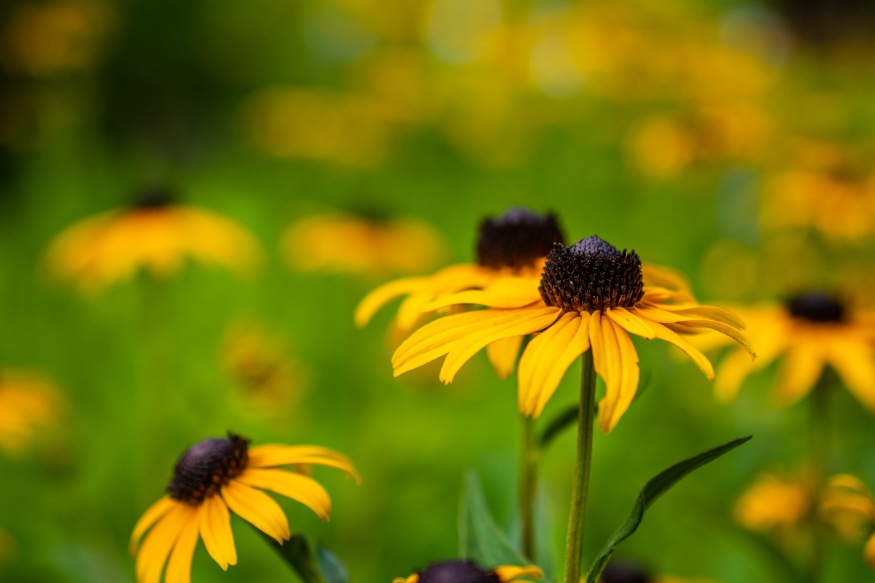
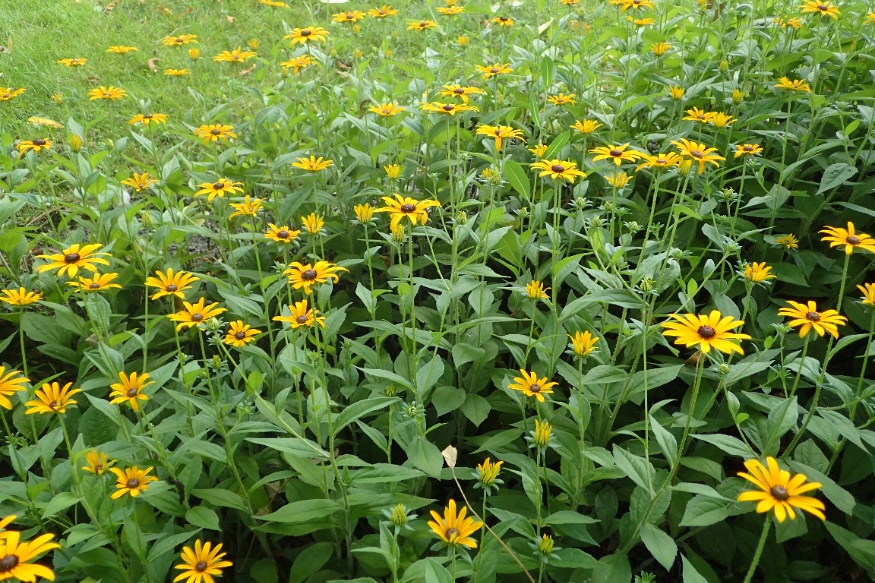
Rudbeckia (Rudbeckia spp.) is a familiar and cheerful group of flowering plants often seen brightening meadows, roadsides, and gardens. The plants produce golden-yellow petals surrounding a dark central cone, creating the classic "black-eyed Susan" appearance that is widely recognized.
These hardy perennials and biennials are native to North America and thrive in sunny environments with well-drained soil. They are especially well suited to naturalized plantings and prairie-style gardens, where they establish quickly and return year after year. Their long blooming season provides a consistent source of nectar and pollen for bees, butterflies, and other beneficial insects.
Although primarily grown for their ornamental value, rudbeckia species have also been used in traditional herbal practices. Their close botanical relationship to echinacea has led to some overlap in historical use. In the garden, rudbeckia's resilience and bright blooms make it a reliable choice for adding color and ecological value. As the flowers fade, the seed heads continue to provide food for birds, extending the plant's role in the ecosystem beyond the flowering season.
Traditional Use
Folk Use
Chinese Medicine
Combinations
Precautions
| Medicinal Species | Rudbeckia hirta (primary traditional use) |
|---|---|
| Tastes | bitter |
| Organ Systems | respiratory, immune/lymphatic |
| Thermal Nature | cool |
| Moisture | drying |
| Parts Used | roots |
| Preparations | tea/infusion, tincture |
| Organs and Tissue | lungs |