About This Plant
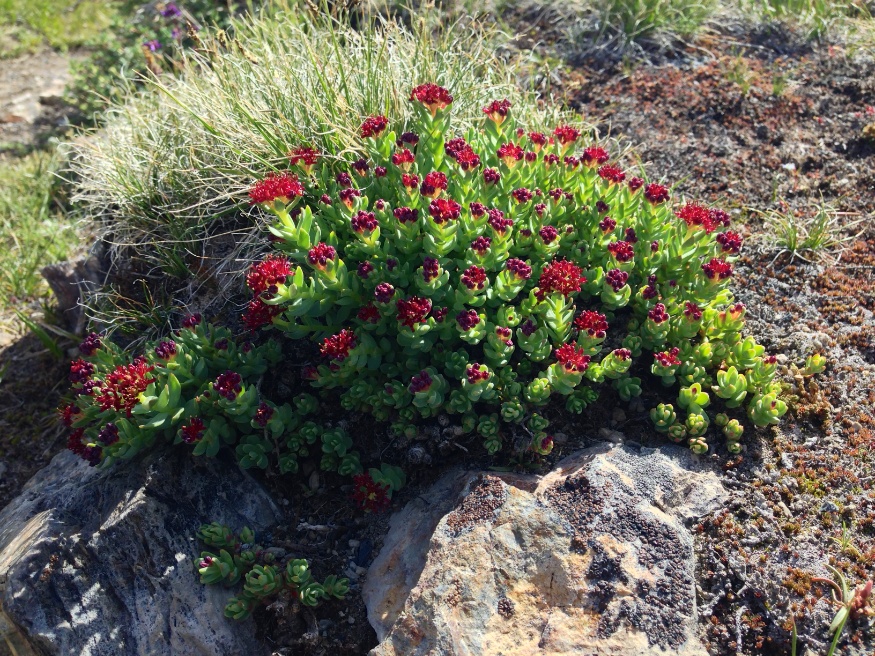
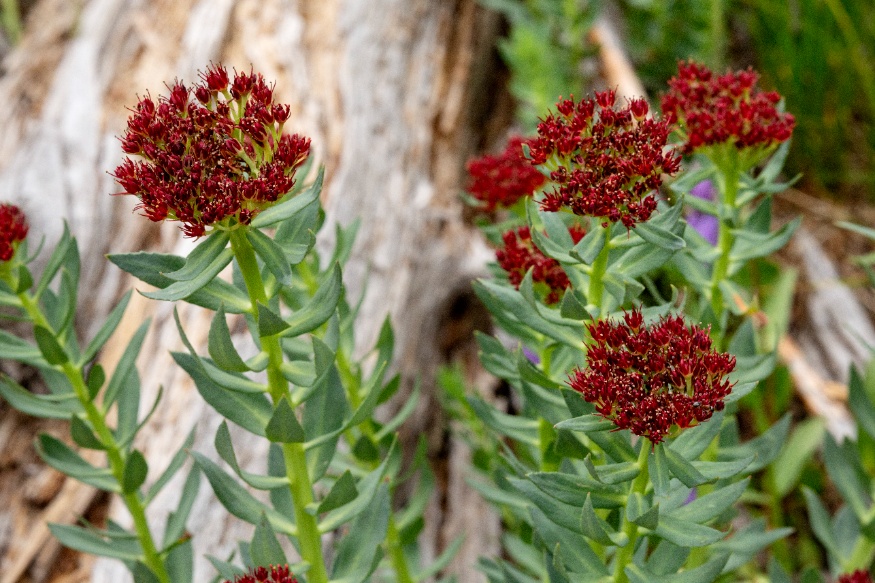
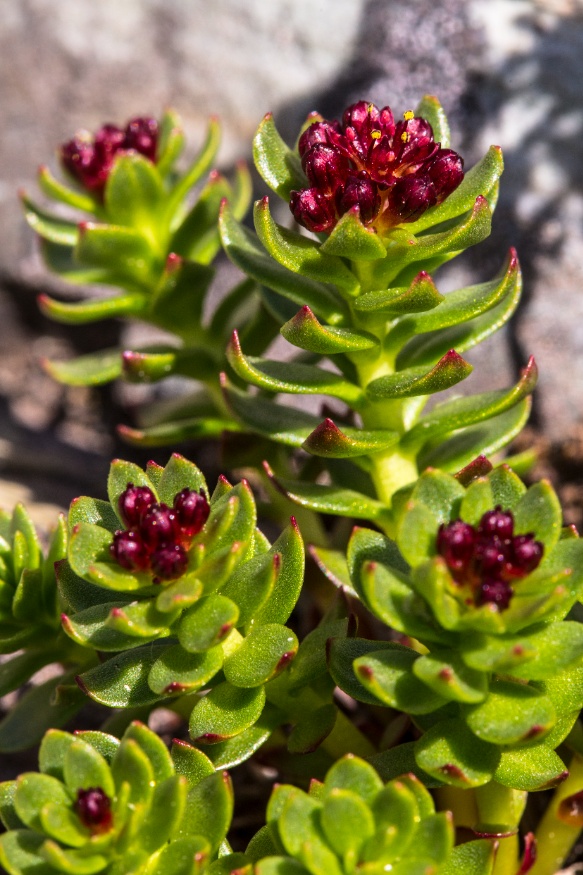
Rhodiola (Rhodiola integrifolia) is a hardy perennial plant adapted to cold, mountainous environments. It grows low to the ground, forming compact clumps of fleshy leaves that help it retain moisture in harsh conditions. Its stems produce clusters of small flowers, often ranging in color from yellow to reddish tones, adding subtle color to alpine landscapes.
Native to western North America, this species is commonly found in high-elevation regions, including rocky slopes and alpine tundra. It thrives in well-drained soils and is well adapted to short growing seasons and extreme weather conditions. Its resilience allows it to survive where few other plants can persist.
The root of rhodiola has been valued in traditional herbal practices for its strengthening properties. It has been associated with endurance and the ability to adapt to physical and environmental stress.
With its compact form and remarkable hardiness, rhodiola is a plant that reflects the rugged environments in which it grows, offering both ecological significance and a long history of traditional use.
Traditional Use
Folk Use
Chinese Medicine
Combinations
Precautions
| Medicinal Species | Rhodiola integrifolia, Rhodiola rosea |
|---|---|
| Tastes | bitter, astringent |
| Organ Systems | circulatory, nervous, endocrine |
| Thermal Nature | warm |
| Moisture | drying |
| Parts Used | roots |
| Preparations | decoction, tincture, powder |
| Organs and Tissue | heart, brain |