About This Plant
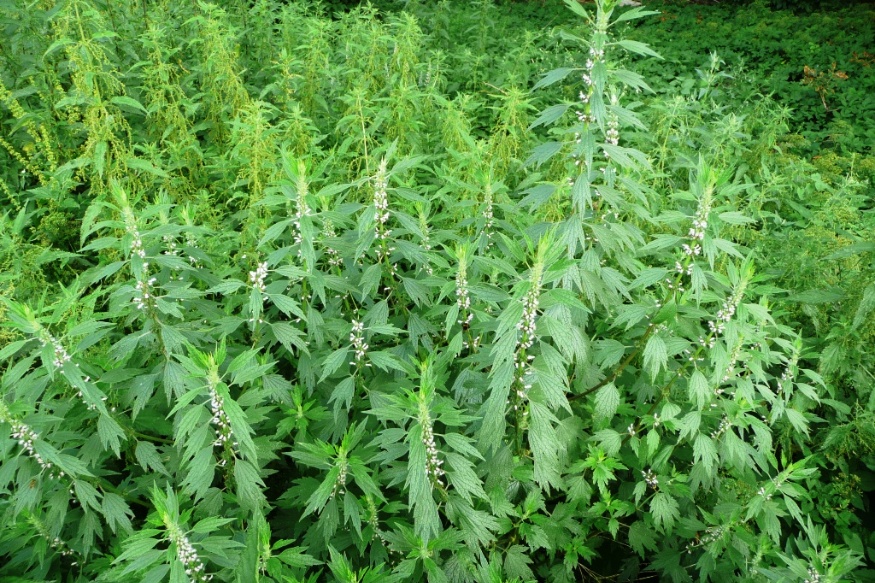
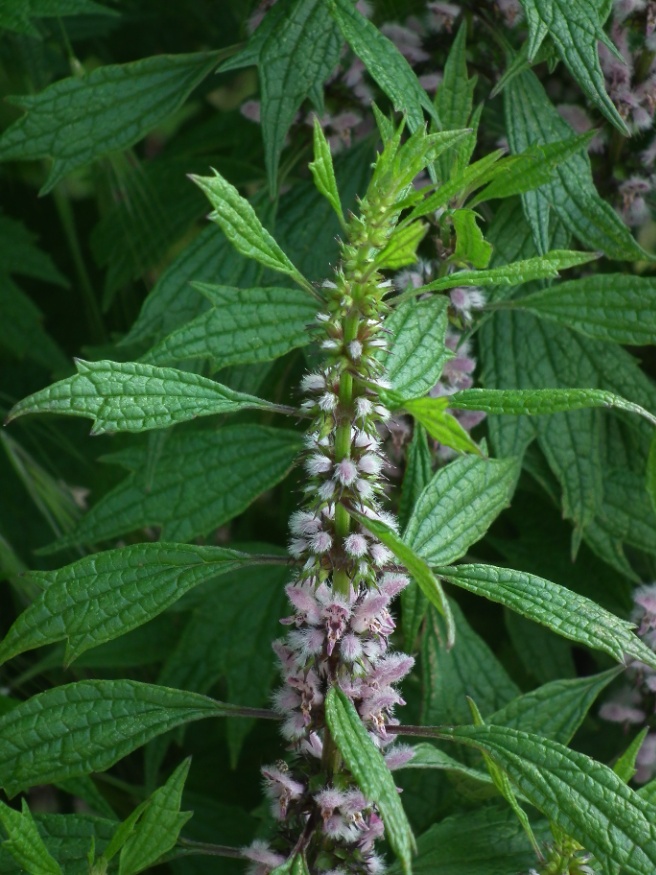
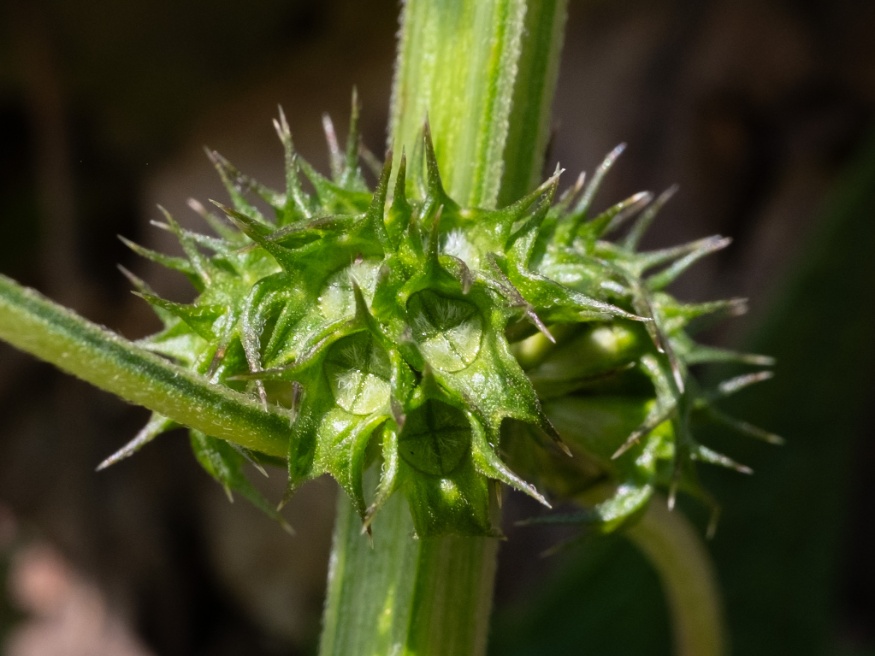
Motherwort (Leonurus cardiaca) is a hardy perennial herb known for its upright growth and deeply lobed leaves. The plant produces square stems typical of the mint family and bears small, pale purple flowers that cluster along the upper portions of the stems. These blossoms are attractive to pollinators and add subtle interest to the plant's overall form.
It is commonly found growing in disturbed soils, along roadsides, and in open fields, where it establishes easily and spreads through self-seeding. Motherwort is adaptable to a variety of conditions and can thrive in both sunny and partially shaded environments.
The plant has a long history of use in traditional herbal practices, particularly in relation to the heart and emotional well-being. Its botanical name, cardiaca, reflects this association. It has also been valued for its role in supporting balance during times of stress.
With its resilience and understated appearance, motherwort is a plant that quietly occupies its place in both natural ecosystems and herbal traditions, offering support where it is most needed.
Traditional Use
Folk Use
Chinese Medicine
Combinations
Precautions
| Medicinal Species | Leonurus cardiaca |
|---|---|
| Tastes | bitter |
| Organ Systems | circulatory, nervous, reproductive |
| Thermal Nature | cool |
| Moisture | drying |
| Parts Used | leaves, flowers |
| Preparations | tea/infusion, tincture |
| Organs and Tissue | heart |