About This Plant
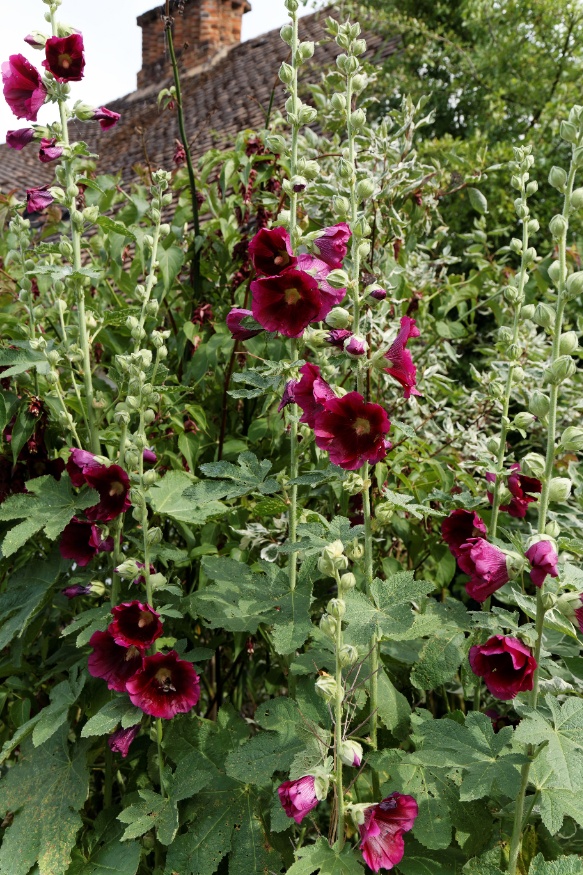
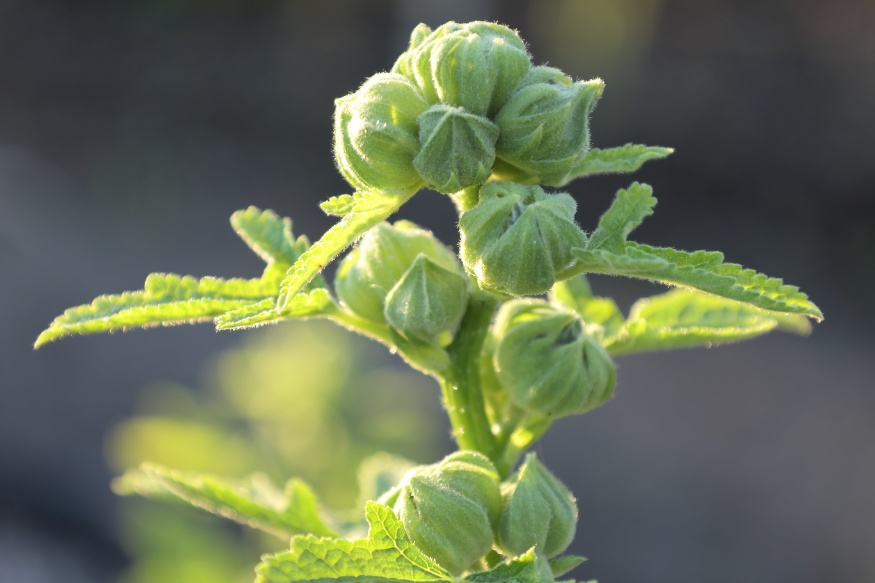
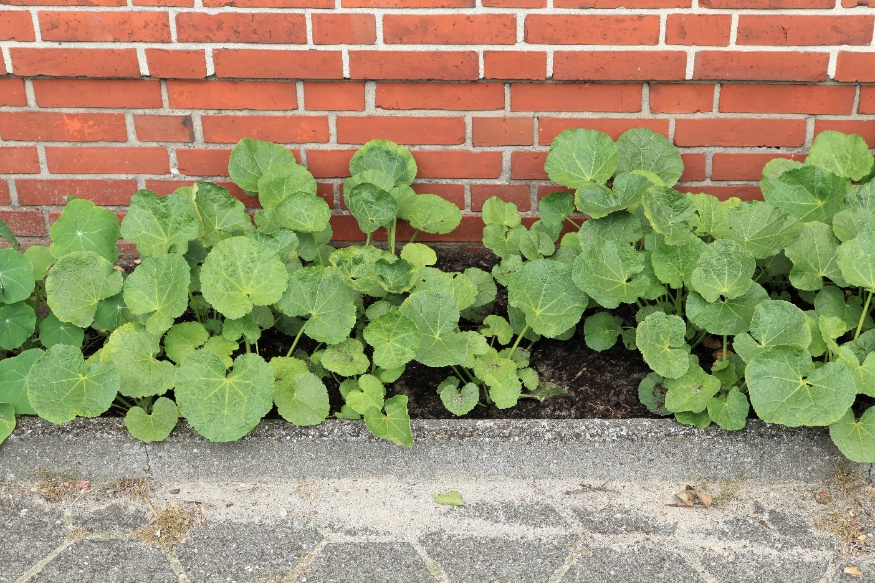
Hollyhock (Alcea rosea) is a tall and striking flowering plant commonly associated with cottage gardens and traditional landscapes. Its strong vertical stems can reach several feet in height, lined with large, rounded leaves and topped with a succession of colorful blossoms that bloom from bottom to top throughout the summer.
The flowers come in a wide range of colors, from soft pastels to deep reds and purples, and are highly attractive to bees and other pollinators. In favorable conditions, hollyhock may self-seed and return year after year, creating a naturalized presence in garden spaces.
Historically, hollyhock has been valued not only for its beauty but also for its soothing properties. Like other members of the mallow family, it contains mucilage that can help calm irritation in the throat and skin. This gentle quality has made it a useful plant in traditional herbal preparations.
With its towering form and abundant blooms, hollyhock adds both structure and color to the landscape while supporting pollinators and offering a connection to long-standing gardening traditions.
Traditional Use
Folk Use
Chinese Medicine
Combinations
Precautions
| Medicinal Species | Alcea rosea |
|---|---|
| Tastes | sweet |
| Organ Systems | digestive, respiratory, integumentary (skin, hair, nails) |
| Thermal Nature | cool |
| Moisture | moistening |
| Parts Used | roots, leaves, flowers |
| Preparations | tea/infusion |
| Organs and Tissue | lungs |