About This Plant
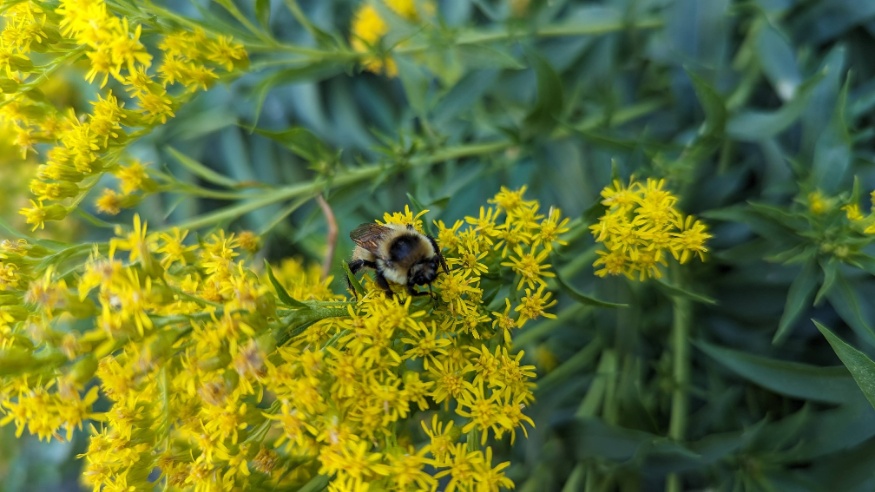
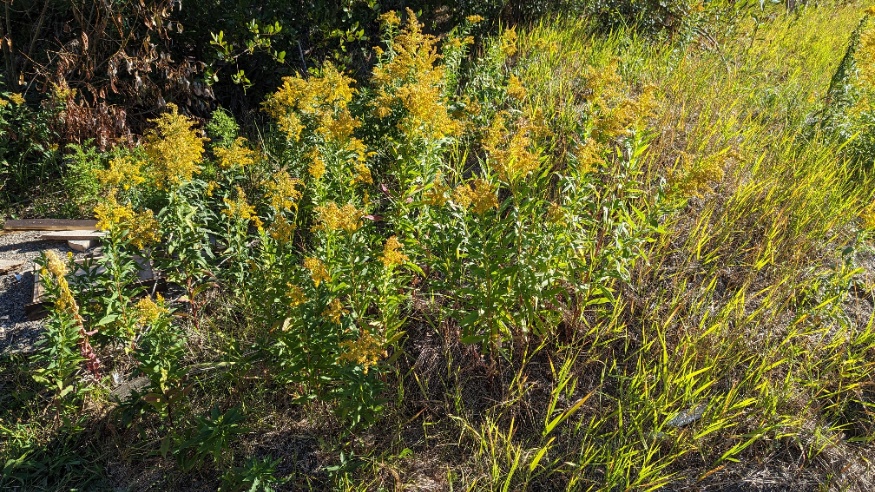
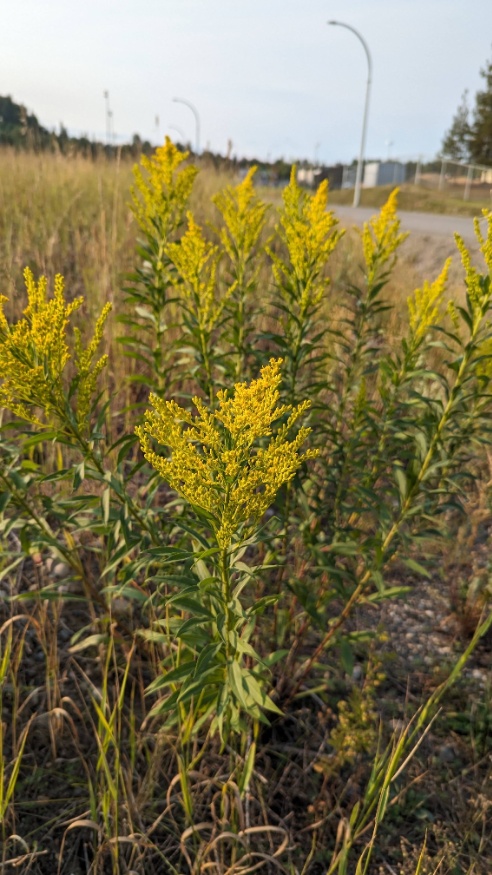
Goldenrod (Solidago spp.) is a bright and abundant perennial known for its tall stems and clusters of vivid yellow flowers that bloom in late summer and early fall. It is a common sight in meadows, fields, and open landscapes, where it provides an important nectar source for pollinators.
The plant grows vigorously and can form large stands, contributing to the structure and biodiversity of natural ecosystems. Its upright form and late-season flowering make it a key species for supporting insects as other plants begin to fade.
Goldenrod has a long history of use in traditional herbal practices, particularly in relation to the urinary system. It has been valued for supporting kidney and bladder function, as well as for its role in addressing seasonal imbalances.
Despite often being blamed for seasonal allergies, goldenrod is not typically responsible, as its pollen is too heavy to travel far in the air. Instead, it plays a beneficial ecological role while also maintaining a place in herbal traditions as a supportive and restorative plant.
Traditional Use
Folk Use
Chinese Medicine
Combinations
Precautions
| Medicinal Species | Solidago canadensis, Solidago virgaurea |
|---|---|
| Tastes | bitter, astringent |
| Organ Systems | respiratory, urinary |
| Thermal Nature | neutral |
| Moisture | drying |
| Parts Used | stems, leaves, flowers |
| Preparations | tea/infusion, tincture |
| Organs and Tissue | lungs, kidneys, bladder, bronchioles |