About This Plant
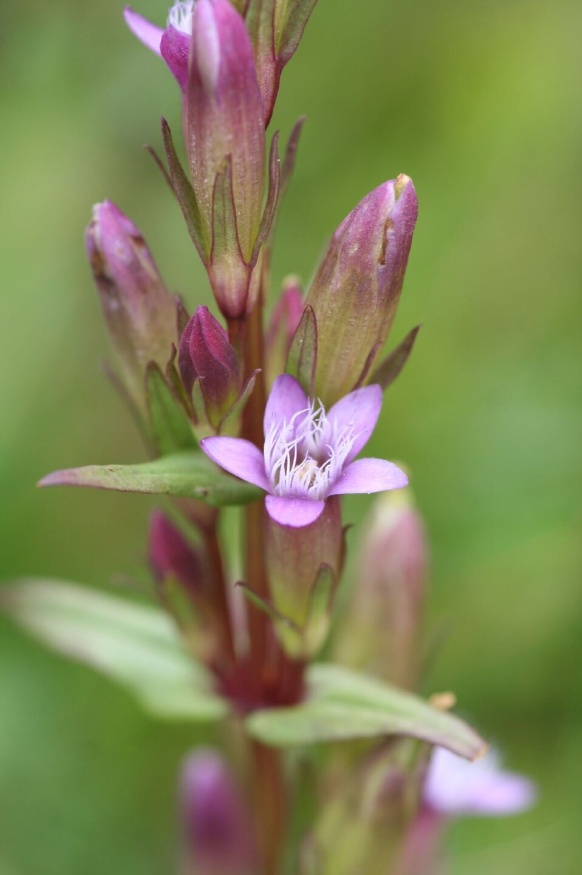
Gentian (Gentiana spp.) is a diverse group of herbaceous plants known for their intensely bitter roots and often striking blue flowers. Many species grow in mountainous and alpine environments, where they are adapted to cool temperatures and well-drained soils. Their flowers, which range from deep blue to purple and occasionally yellow, stand out vividly against rocky landscapes and open meadows.
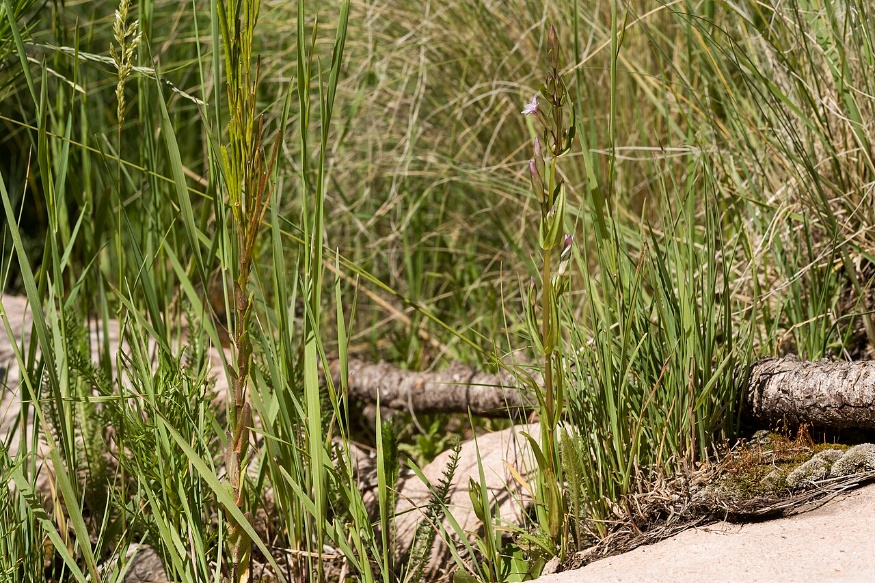
These plants tend to grow slowly, forming low clumps or upright stems depending on the species. While some gentians remain compact and close to the ground, others produce taller flowering stalks that attract pollinators in short growing seasons. Their preference for undisturbed soils and specific conditions makes them more challenging to cultivate than many garden plants.
For centuries, gentian roots have been used in herbal medicine as powerful digestive stimulants. Their extreme bitterness triggers the body's digestive responses, making them a key ingredient in traditional bitters and tonics. In addition to their medicinal value, gentians are appreciated for their beauty and resilience in harsh environments, where they bring color and vitality to otherwise rugged landscapes.
Traditional Use
Folk Use
Chinese Medicine
Combinations
Precautions
| Medicinal Species | Gentiana lutea, Gentiana scabra, Gentiana acaulis, Gentiana andrewsii |
|---|---|
| Tastes | bitter |
| Organ Systems | digestive, hepatobiliary (liver & gallbladder) |
| Thermal Nature | cool |
| Moisture | drying |
| Parts Used | roots |
| Preparations | decoction, extract, tincture |
| Organs and Tissue | stomach, liver, gallbladder |