About This Plant
Garlic is a well-known culinary and medicinal plant cultivated worldwide for its pungent bulbs and distinctive aroma. Though widely grown in gardens and farms, it likely originated in Central Asia and has been used for thousands of years in both food and medicine. Its resilience, ease of cultivation, and potent properties have made it a staple in cultures across the globe.
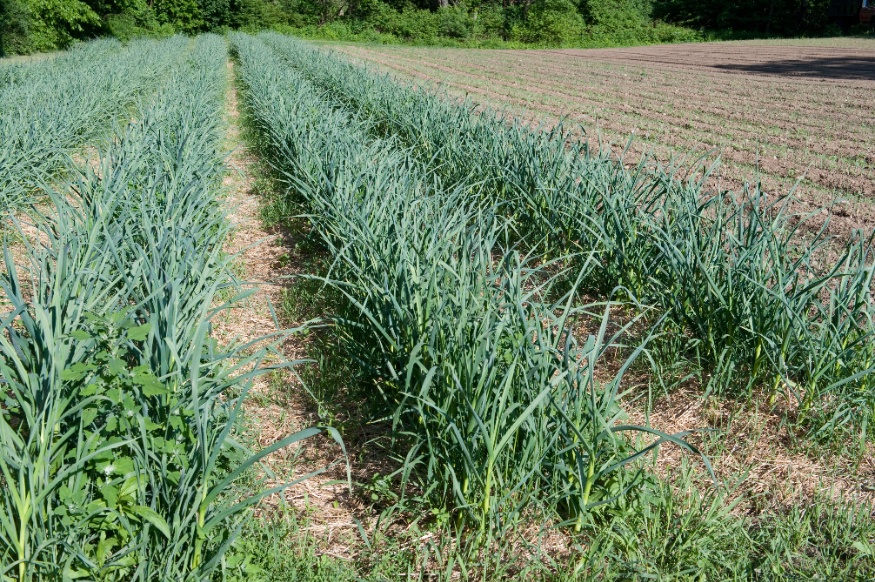
In the landscape, garlic prefers sunny, well-drained soils and is often grown in rows or garden beds. While not typically found growing wild in large colonies, it can occasionally persist in disturbed soils or near abandoned homesteads. It thrives in temperate climates and tolerates cold winters when properly mulched.
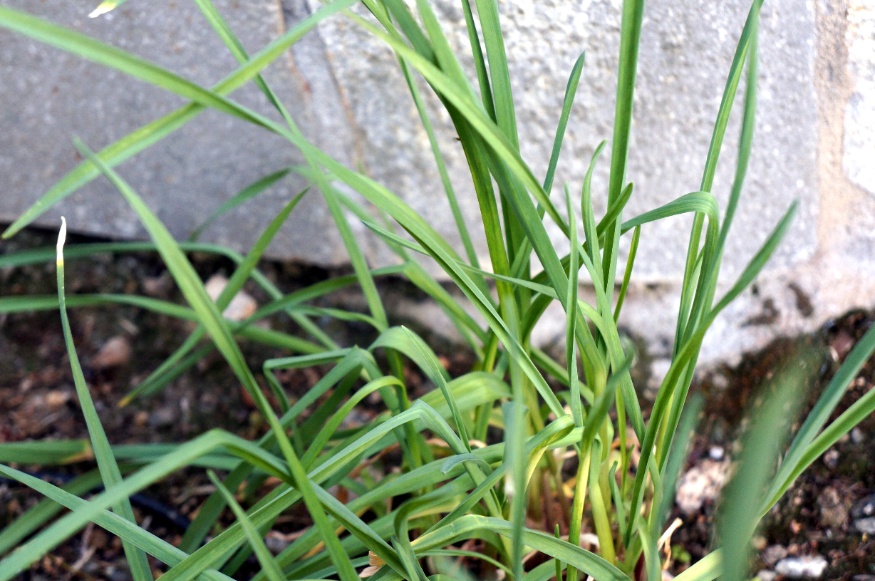
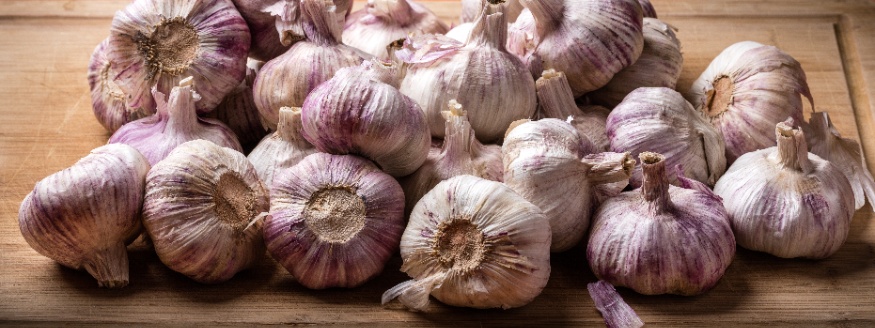
Garlic grows as a low, upright herb with narrow, strap-like leaves emerging from a central bulb composed of multiple cloves. In some varieties, it produces a tall flowering stalk known as a scape, which curls and bears a cluster of small bulbils or flowers. The plant has a clean, structured appearance and is easily recognized by its strong scent when crushed.
Historically, garlic has held a place of importance not only as a food but as a protective and healing plant. It was used by ancient Egyptians, Greeks, and Romans, often given to laborers and soldiers to enhance strength and endurance. Folklore across Europe and Asia associates garlic with protection against illness and harmful influences.
Medicinally, garlic is most valued for its antimicrobial and cardiovascular-supporting properties. It is used to support immune function, improve circulation, and help regulate blood pressure and cholesterol. As a food, it enhances digestion and adds depth of flavor, making it one of the most widely used and respected plants in both the kitchen and herbal practice.
Traditional Use
Folk Use
Garlic has been used for thousands of years as both food and medicine across cultures. Traditionally, it has been valued for its strong antimicrobial and immune-supporting properties. It was commonly used to ward off infections, treat respiratory ailments, and support cardiovascular health.
In European folk medicine, garlic was often consumed raw or infused in honey or vinegar for colds, coughs, and digestive sluggishness. It was also applied externally as a poultice for infections, wounds, and fungal conditions. Garlic was believed to “clean the blood,” a concept reflected in its use for circulatory stagnation and chronic inflammatory conditions.
Garlic has also been used as a protective herb, both physically and symbolically, with a long-standing reputation for warding off illness and harmful influences.
Chinese Medicine
In traditional Chinese medicine, garlic is considered warm and pungent, entering the spleen, stomach, and lung channels. It is used to disperse cold, eliminate toxins, and resolve stagnation, particularly in the digestive system.
Garlic is often used for food stagnation, parasitic infections, and dysentery. Its warming nature makes it useful for cold-type respiratory conditions with phlegm. It is also considered helpful in supporting yang energy and circulation.
Due to its strong nature, it is typically used in moderation and often combined with other herbs to balance its intensity.
Special Chemistry
Garlic contains sulfur-rich compounds such as allicin, which forms when the clove is crushed or chopped. These compounds are responsible for its antimicrobial, antiviral, and cardiovascular effects. Other constituents include flavonoids and selenium, contributing to antioxidant activity.
Signature
The pungent aroma and strong, penetrating quality of garlic reflect its ability to move stagnation, clear infections, and stimulate circulation throughout the body.
Combinations
Precautions
Garlic may cause digestive irritation in large amounts, especially when consumed raw. It can have blood-thinning effects and should be used cautiously with anticoagulant medications. Excessive use may aggravate heat conditions.
| Medicinal Species | Allium sativum |
|---|---|
| Tastes | acrid/pungent |
| Organ Systems | circulatory, digestive, respiratory, immune/lymphatic |
| Thermal Nature | warm |
| Moisture | drying |
| Parts Used | roots |
| Preparations | extract, oil, tea/infusion, tincture, syrup |
| Organs and Tissue | lungs, heart, stomach, blood |
Growing Guide
Garlic is typically propagated vegetatively from cloves rather than seed. Plant cloves in the fall, about 4–6 weeks before the ground freezes, allowing roots to establish before winter dormancy. Choose a sunny location with loose, well-drained soil rich in organic matter. Avoid planting in overly wet or compacted soils, as bulbs may rot.
Plant cloves 2–3 inches deep and 4–6 inches apart, with rows spaced about 12 inches apart. Mulch heavily with straw or leaves to protect from winter temperature fluctuations and suppress weeds. In spring, remove some mulch to allow shoots to emerge and maintain moderate moisture.
Garlic benefits from steady watering during bulb formation but should not be overwatered. Scapes (flower stalks) of hardneck varieties can be removed to direct energy into bulb development. Harvest occurs in mid to late summer when lower leaves yellow. Cure bulbs in a dry, airy place before storage.