About This Plant
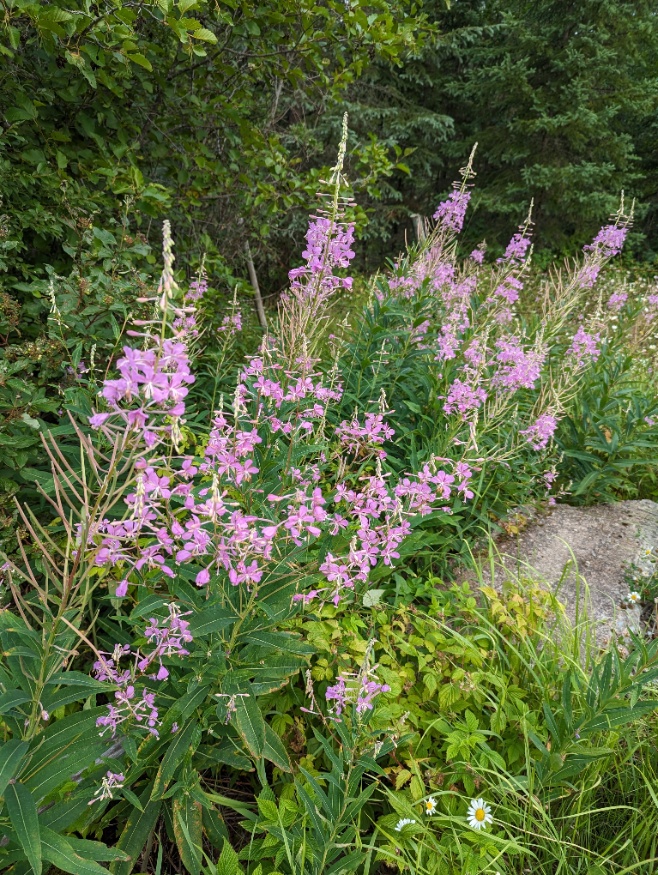
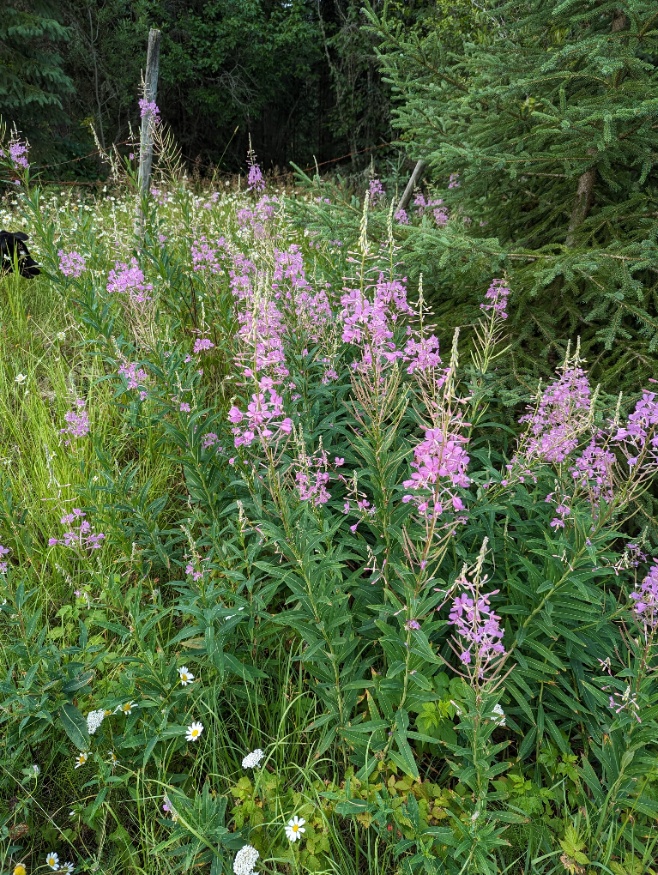
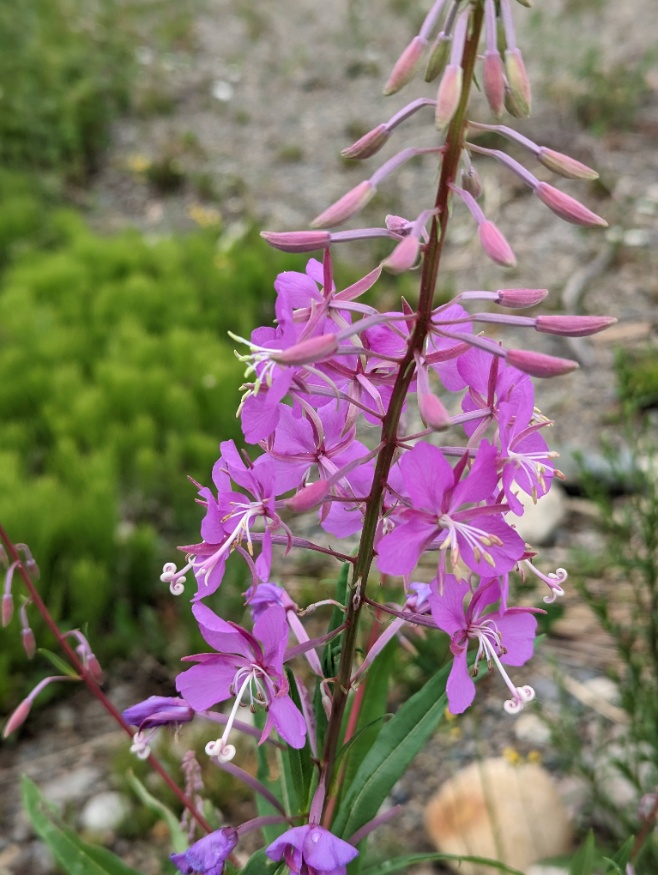
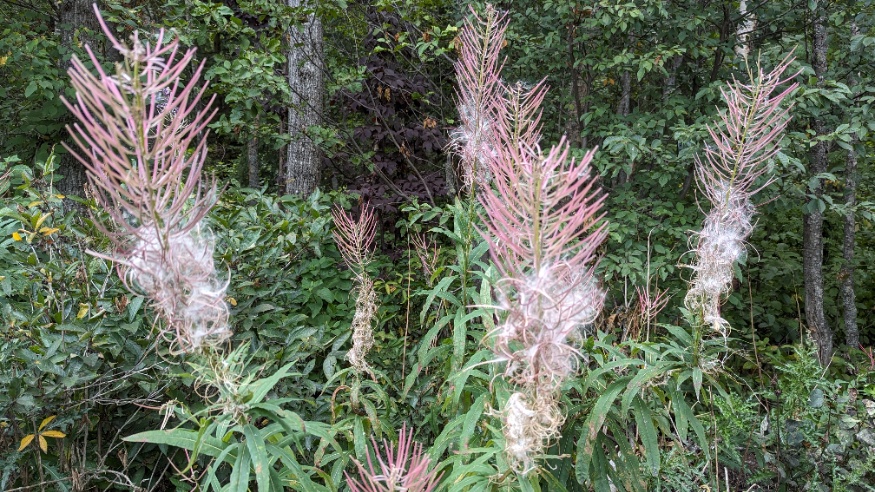
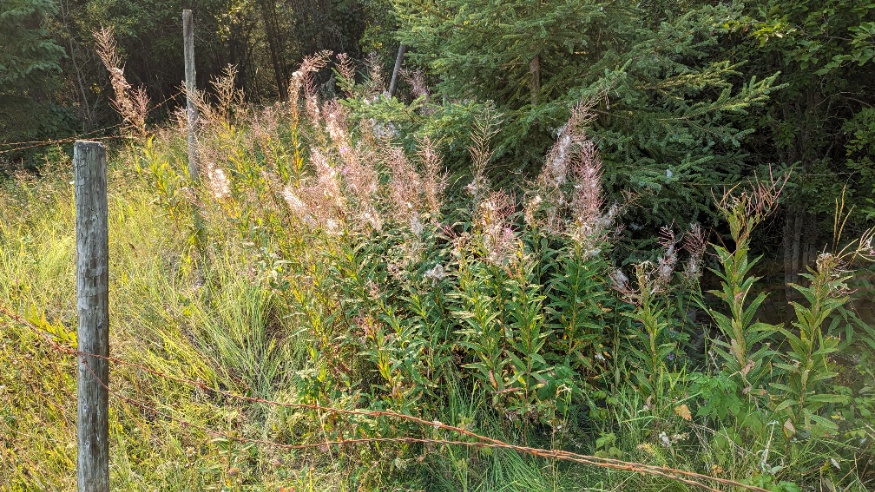
Fireweed (Chamerion angustifolium) is a tall, perennial herbaceous plant commonly found in temperate and subarctic regions across the Northern Hemisphere. It is especially abundant in disturbed areas such as forest clearings, burned land, roadsides, and open meadows, where it is often one of the first species to colonize and stabilize the soil. Fireweed is easily recognized by its upright reddish stems, lance-shaped leaves, and vibrant pink to purple flowers that bloom in a tall spike during mid to late summer.
This plant plays an important ecological role in succession, helping restore nutrient balance and soil structure after disturbances such as wildfires. Its deep rhizome system allows it to spread efficiently, forming dense colonies over time. Historically, Indigenous peoples and traditional herbalists have valued fireweed for both food and medicine. Young shoots and leaves are edible when harvested early, and the plant has been used in teas and infusions.
Medicinally, fireweed is considered soothing and anti-inflammatory, often used to support digestive health and skin conditions. The plant contains mucilage and tannins that contribute to its gentle astringent properties. Beyond its practical uses, fireweed is also appreciated for its ornamental beauty and its role as a pollinator-friendly species, attracting bees and other insects during its blooming period.
Traditional Use
Folk Use
Fireweed has a long history of traditional use among Indigenous peoples and herbal practitioners. Young shoots are sometimes harvested in spring and prepared similarly to asparagus, while young leaves can be cooked or dried for tea. The leaves are often used in fermented teas, sometimes referred to as “Ivan tea” in certain traditions.
In folk medicine, fireweed has been used to support digestive health, particularly for soothing irritation in the stomach and intestines. It has also been applied topically in poultices or washes for minor skin irritations, wounds, and burns. Its mild astringent qualities make it useful for toning tissues and reducing inflammation.
In some traditions, fireweed is valued as a general tonic herb that supports recovery and vitality after illness. It is often combined with other herbs such as nettle or mint in herbal preparations. Its versatility in both food and medicine makes it an important plant in regions where it grows abundantly.
Chinese Medicine
While not a classical cornerstone herb in traditional Chinese medicine (TCM), fireweed shares functional similarities with herbs used to clear heat and support digestion. Its cooling and soothing properties align with the TCM concept of reducing internal heat and dampness, particularly in the digestive tract.
In modern herbal interpretations influenced by TCM frameworks, fireweed may be considered mildly cooling, with actions that support the lungs and stomach by easing irritation and promoting balance. It is sometimes compared functionally to other demulcent herbs used to protect mucosal tissues.
Due to its relatively mild nature, fireweed is typically used as a supportive or complementary herb rather than a primary therapeutic agent in traditional Chinese formulations. Its role is more aligned with general wellness and gentle regulation rather than strong pharmacological intervention.
Special Chemistry
Fireweed contains a variety of bioactive compounds including flavonoids, tannins, mucilage, and small amounts of phenolic acids. These constituents contribute to its astringent, anti-inflammatory, and soothing properties. The mucilage content is particularly notable for its demulcent effects, helping to coat and protect irritated tissues.
The presence of flavonoids contributes antioxidant activity, which may help protect cells from oxidative stress. Tannins provide a mild tightening effect on tissues, which can be beneficial in topical and internal applications where toning is desired.
Fireweed is generally considered safe for most individuals when used appropriately. Due to its mild nature, it is often combined with other herbs in formulations. No significant contraindications are widely documented, though individuals with specific sensitivities should use caution when trying any new herbal preparation.
Signature
Combinations
Precautions
| Medicinal Species | Chamerion angustifolium |
|---|---|
| Tastes | bitter, astringent |
| Organ Systems | digestive, urinary, immune/lymphatic, integumentary (skin, hair, nails) |
| Thermal Nature | cool |
| Moisture | drying |
| Parts Used | stems, leaves, flowers |
| Preparations | tea/infusion, tincture, wash |
| Organs and Tissue | stomach, kidneys, mucosa |
Growing Guide
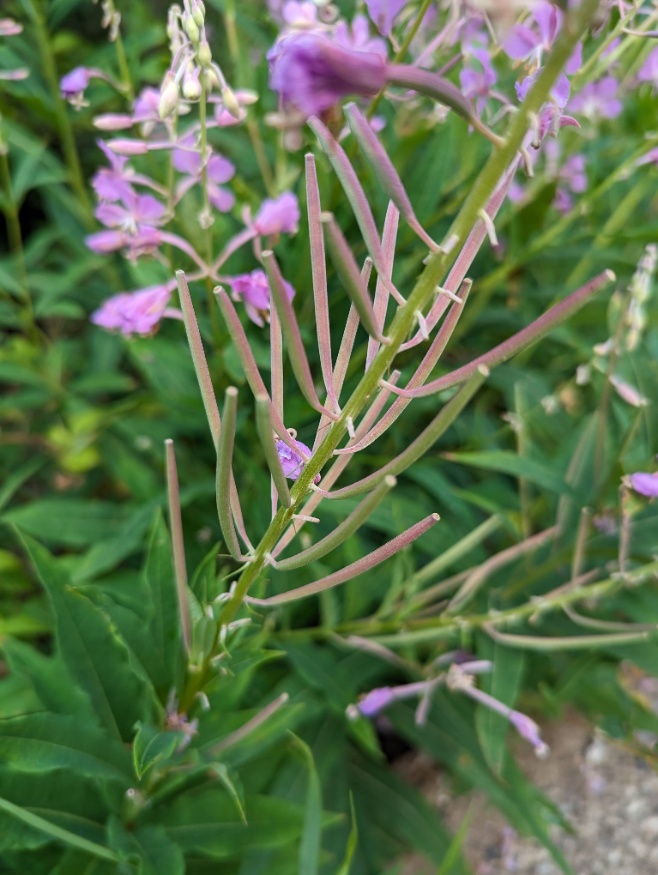
Fireweed thrives in full sun and prefers well-drained soils, though it is highly adaptable to a variety of conditions, including nutrient-poor and disturbed soils. It is commonly found in areas that have experienced ecological disruption, where it establishes quickly through both seed dispersal and its spreading rhizome system. Seeds are lightweight and can be carried long distances by wind, aiding natural colonization.
For cultivation, fireweed can be grown from seed or by division of established rhizomes. Seeds benefit from light exposure for germination and should not be deeply buried. A cold stratification period may improve germination rates. Once established, the plant requires minimal maintenance and can tolerate drought conditions, although consistent moisture will encourage more vigorous growth and flowering.
Fireweed is well-suited for naturalized plantings, pollinator gardens, and ecological restoration projects. Due to its spreading habit, it should be managed in garden settings to prevent unwanted expansion. Regular monitoring and selective thinning can help maintain balance while still allowing the plant to provide its ecological and aesthetic benefits.