About This Plant
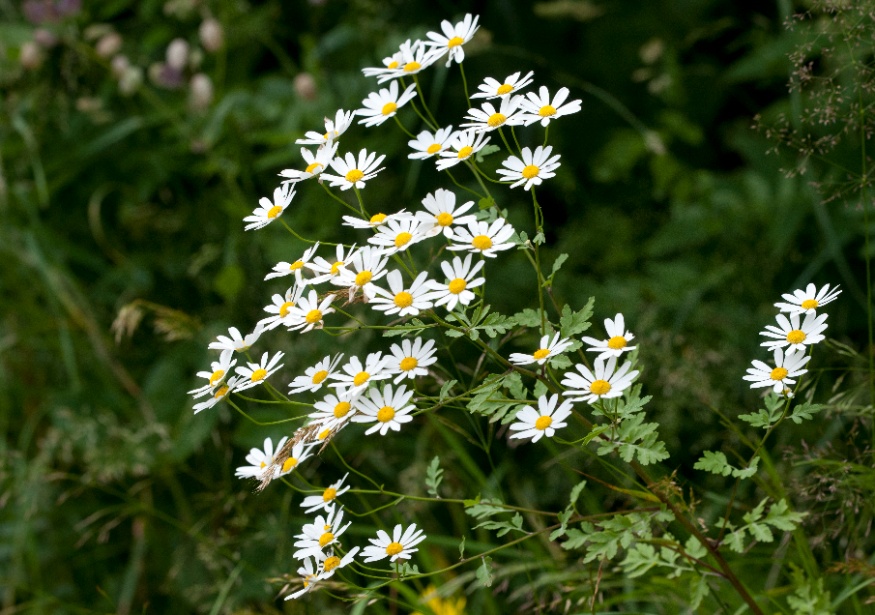
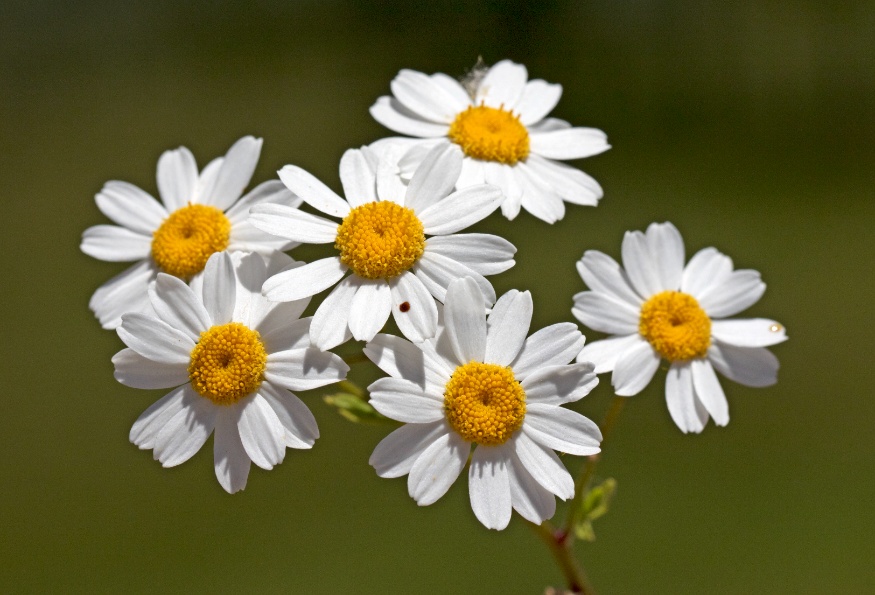
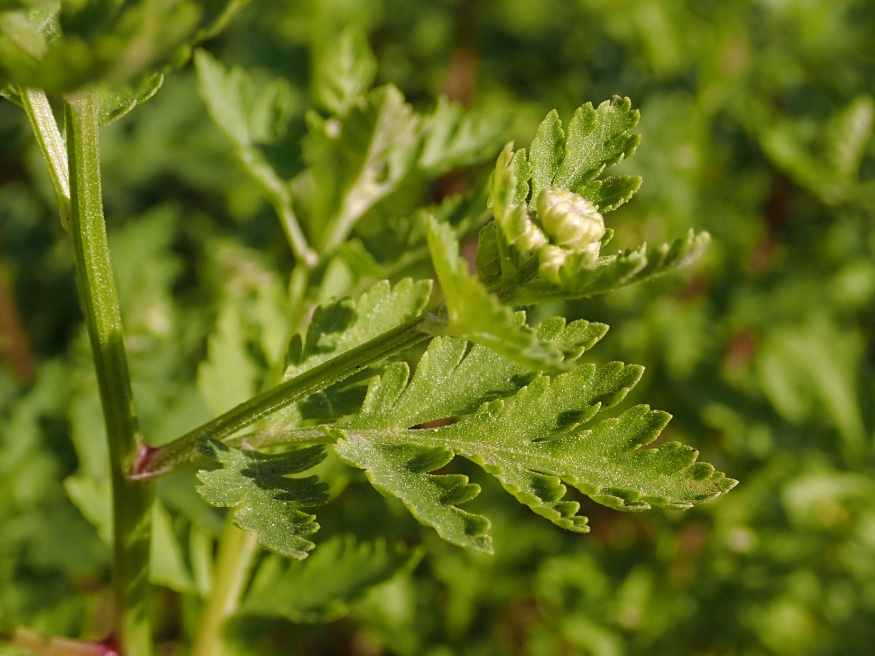
Feverfew (Tanacetum parthenium) is a compact, bushy herb recognized for its small, daisy-like flowers with white petals and yellow centers. The plant produces bright green, finely divided leaves that give it a soft, textured appearance. It blooms over a long period, often providing continuous color throughout the growing season.
Native to Europe, feverfew has naturalized widely and is commonly found in gardens, along roadsides, and in disturbed soils. It grows easily in a variety of conditions and may self-seed readily, allowing it to persist in suitable environments. In cooler climates, it often behaves as an annual or short-lived perennial.
Feverfew has a long history of use in traditional herbal practices, particularly for supporting head and circulatory health. Its reputation as a preventive herb has made it a familiar presence in medicinal gardens.
With its cheerful flowers and ease of growth, feverfew offers both ornamental appeal and a connection to long-standing herbal traditions.
Traditional Use
Folk Use
Chinese Medicine
Combinations
Precautions
| Medicinal Species | Tanacetum parthenium |
|---|---|
| Tastes | bitter |
| Organ Systems | circulatory, nervous |
| Thermal Nature | cool |
| Moisture | drying |
| Parts Used | leaves, flowers |
| Preparations | tea/infusion, tincture, capsule |
| Organs and Tissue | brain, blood |