About This Plant
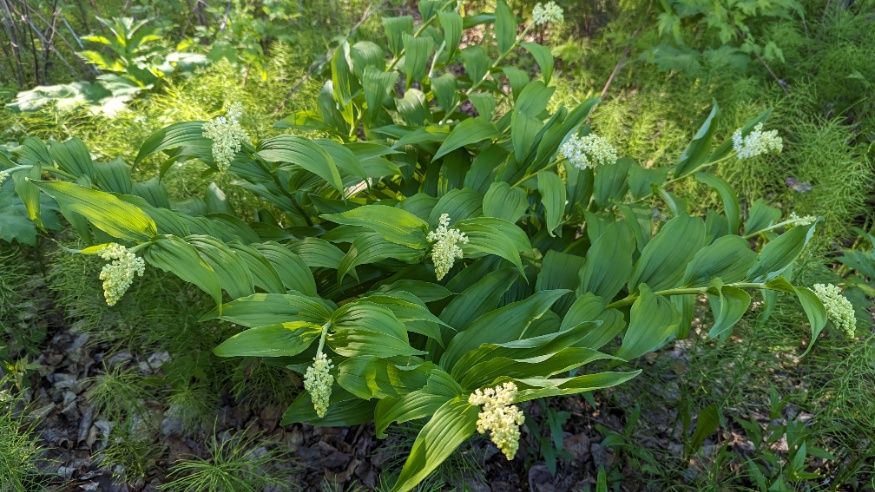
False Solomon’s seal (Maianthemum racemosum) is a graceful woodland perennial known for its arching stems and soft, layered appearance. The plant produces alternating, oval leaves along gently curving stems, creating a flowing form that blends well into shaded environments.
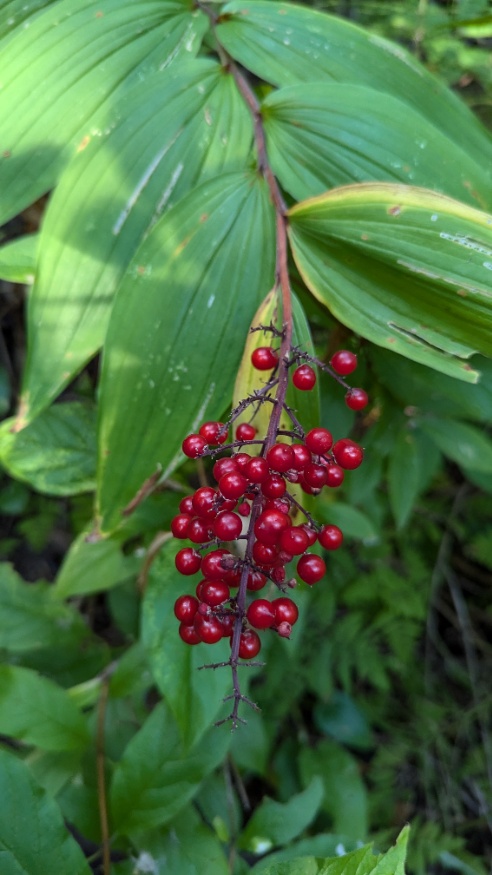
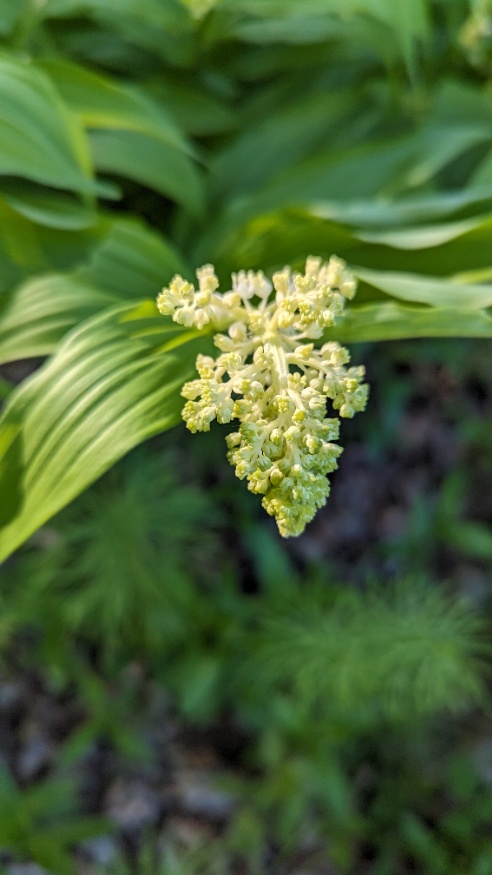
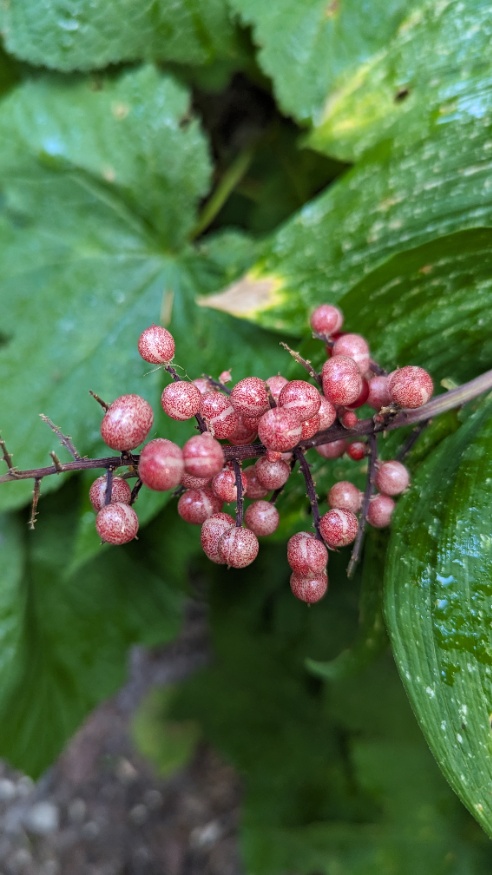
In late spring to early summer, it develops clusters of small, creamy-white flowers at the tips of its stems. These blossoms later give way to speckled berries that ripen to red, adding seasonal interest and attracting birds. The plant spreads gradually through underground rhizomes, forming colonies over time.
Native to forests across North America, false Solomon’s seal thrives in rich, moist soils with partial to full shade. It is well suited to woodland gardens and naturalized plantings where conditions mimic its native habitat.
Medicinal benefits of False Solomon's seal have been recognized for centuries as it's highly valued as a gentle tonic, with roots and rhizomes used for digestive, reproductive, and urinary support. Young shoots are edible and occasionally consumed as a vegetable.
Traditional Use
Folk Use
Chinese Medicine
Special Chemistry
Signature
Combinations
Precautions
| Medicinal Species | Maianthemum racemosum |
|---|---|
| Tastes | sweet, astringent |
| Organ Systems | digestive, urinary, immune/lymphatic, reproductive |
| Thermal Nature | neutral |
| Moisture | moistening |
| Parts Used | roots, early shoots, berries |
| Preparations | decoction, tea/infusion, tincture, syrup |
| Organs and Tissue | stomach, gallbladder, blood |