About This Plant
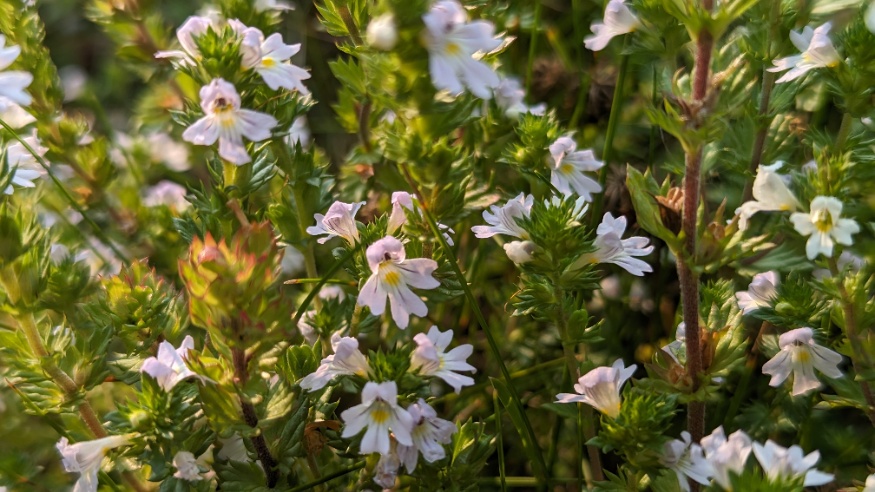
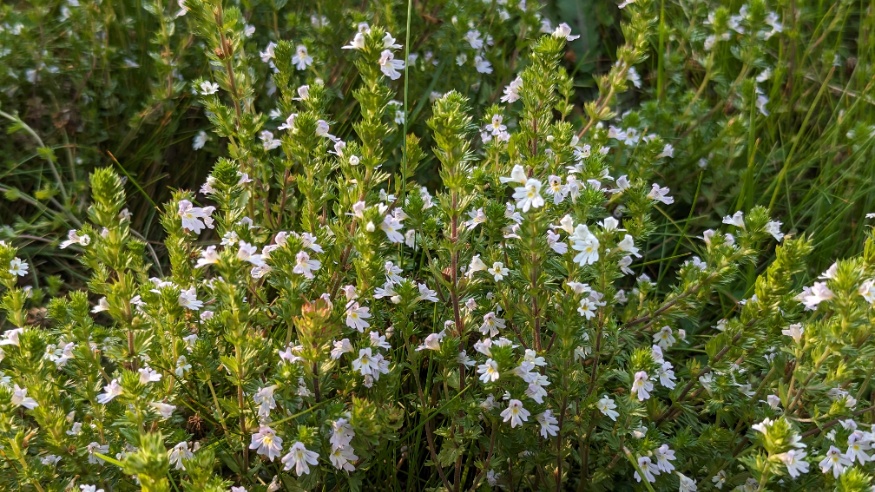
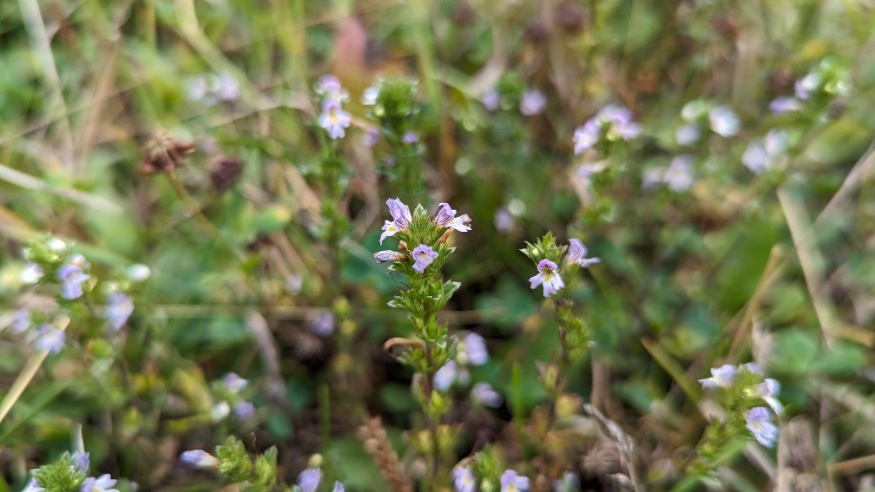
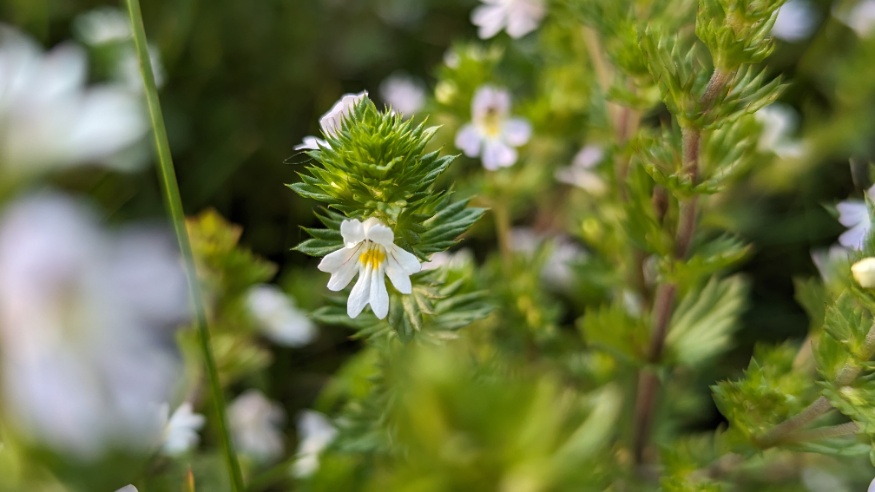
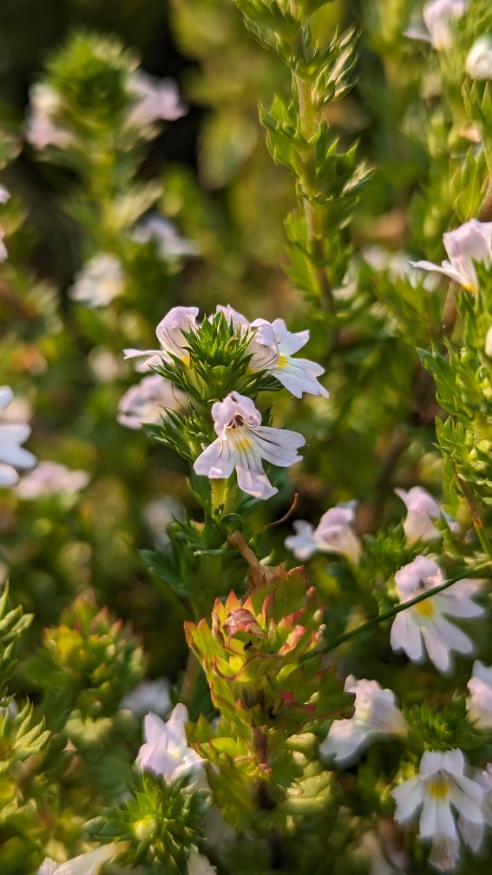
Eyebright (Euphrasia nemorosa, Euphrasia officinalis) is a small, delicate herb found in open meadows and grasslands. It produces slender stems with tiny, toothed leaves and small white flowers marked with yellow centers and fine purple lines. Despite its modest size, the plant stands out upon close observation due to the intricate detail of its blossoms.
This species is semi-parasitic, forming connections with the roots of nearby grasses to obtain nutrients. This unique growth habit makes it more difficult to cultivate and more commonly encountered in natural settings.
Eyebright has a long history of use in traditional herbal practices, particularly in relation to eye health. Its name reflects this association, as it has been used in washes and preparations intended to support clarity and comfort of the eyes.
Though subtle in appearance, eyebright holds a distinct place in herbal traditions, valued for its specialized use and its quiet presence in meadow ecosystems.
Traditional Use
Folk Use
Chinese Medicine
Combinations
Precautions
| Medicinal Species | Euphrasia nemorosa |
|---|---|
| Tastes | bitter, astringent |
| Organ Systems | respiratory, integumentary (skin, hair, nails) |
| Thermal Nature | cool |
| Moisture | drying |
| Parts Used | stems, leaves, flowers |
| Preparations | tea/infusion, tincture, wash, compress |
| Organs and Tissue | brain, mucosa |