About This Plant
Blue violet is a familiar and charming perennial found across much of eastern North America, often appearing in lawns, woodland edges, and shaded gardens. Its low-growing habit and delicate purple-blue flowers make it both a common and beloved wild plant.
This species thrives in a wide range of habitats, from open meadows to forest understories. It prefers moist, fertile soils but adapts easily to different conditions, allowing it to spread and naturalize in both wild and cultivated landscapes. Its ability to grow in shade makes it especially valuable in areas where other plants struggle.
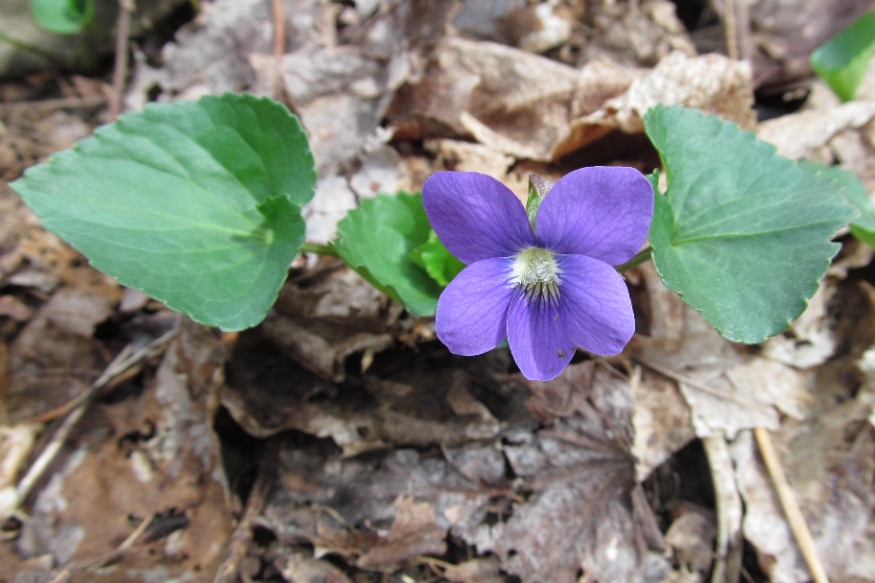
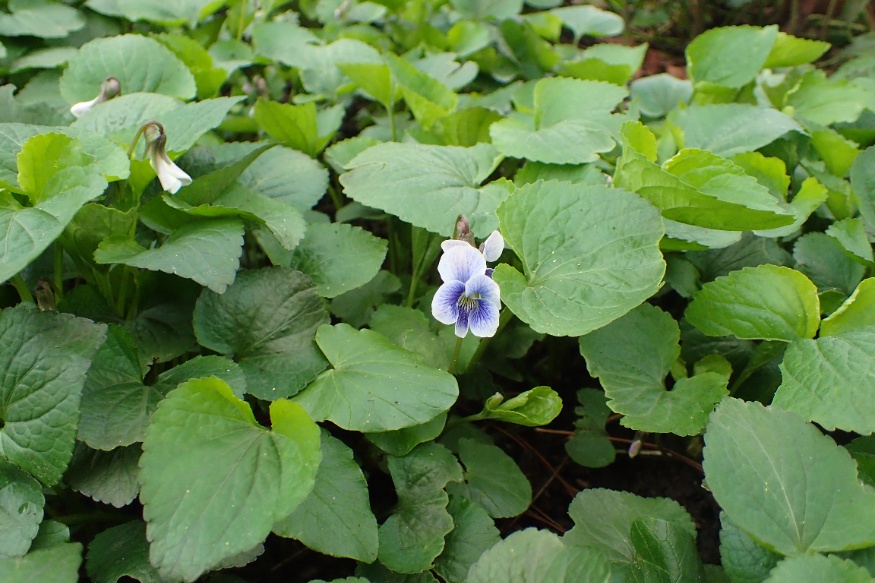
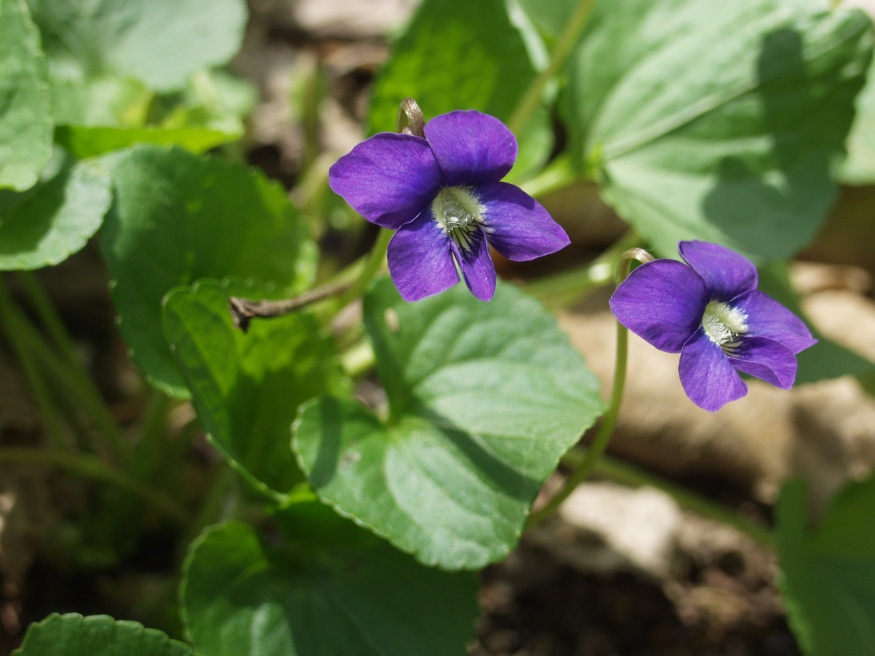
Identification is simple, with its heart-shaped leaves and distinctive five-petaled flowers that bloom in early spring. The plant forms small clumps that gradually expand, creating a soft ground cover over time.
Historically, blue violet has been used as both a food and a medicine. It was valued for its gentle, soothing qualities and was often included in traditional remedies for respiratory and skin conditions. Its edible flowers also made it a decorative and functional addition to meals.
Medicinally, blue violet is known for its cooling and moistening effects. It supports the lungs by easing irritation and helping to clear mucus, while also benefiting the skin through its anti-inflammatory properties. The leaves and flowers can be used in teas, syrups, and topical preparations, making it a versatile and accessible plant for both herbalists and foragers.
Traditional Use
Folk Use
Blue violet has been widely used in traditional herbal medicine for its soothing and cooling properties. It is particularly valued for supporting the respiratory system, where it helps ease coughs, soothe irritation, and loosen mucus.
The leaves and flowers have also been used externally to calm skin irritations, including minor wounds, rashes, and inflammation. Poultices and salves were commonly applied to affected areas for their gentle, moistening effects.
In addition to its medicinal uses, blue violet is edible. The leaves and flowers can be added to salads, teas, and syrups, offering both nutrition and mild therapeutic benefits. Its pleasant taste and gentle nature make it a versatile plant in traditional practices.
Chinese Medicine
While Viola sororia is not a traditional Chinese medicinal herb, related violet species are used in Chinese medicine to clear heat and toxins. These plants are often applied in cases of inflammation, infections, and skin conditions.
In a comparative sense, blue violet can be viewed as a cooling and moistening herb that supports the lungs and skin. It aligns with herbs that reduce heat and soothe irritation, particularly in the respiratory and integumentary systems.
Its gentle action makes it suitable for mild conditions or as part of broader formulations aimed at balancing heat and dryness.
Special Chemistry
Blue violet contains flavonoids, mucilage, and saponins, which contribute to its soothing, anti-inflammatory, and expectorant properties.
Signature
The soft, heart-shaped leaves and delicate flowers suggest a gentle, soothing action, particularly for inflamed or irritated tissues.
Combinations
Blue violet pairs well with marshmallow for moistening and soothing respiratory formulas, enhancing its demulcent effects.
Precautions
Generally considered safe, though large amounts may cause mild digestive upset. Ensure proper identification before use.
| Medicinal Species | Viola sororia, Viola odorata |
|---|---|
| Tastes | bitter, sweet |
| Organ Systems | digestive, respiratory, immune/lymphatic, integumentary (skin, hair, nails) |
| Thermal Nature | cool |
| Moisture | moistening |
| Parts Used | leaves, flowers |
| Preparations | salve, tea/infusion, syrup, compress |
| Organs and Tissue | lungs, spleen, blood |
Growing Guide
Blue violet is an adaptable perennial that grows well in a variety of conditions, from full sun to full shade. Seeds benefit from cold moist stratification and can be sown outdoors in fall or early spring. It can also spread naturally through rhizomes and self-seeding.
This plant prefers moist, fertile soils but is tolerant of a range of soil types once established. It is commonly found in lawns, woodland edges, and garden beds, where it can form a dense ground cover over time.
Blue violet is easy to transplant and can be divided to propagate new plants. It requires minimal maintenance and can naturalize readily, making it ideal for low-maintenance or ecological plantings.