About This Plant
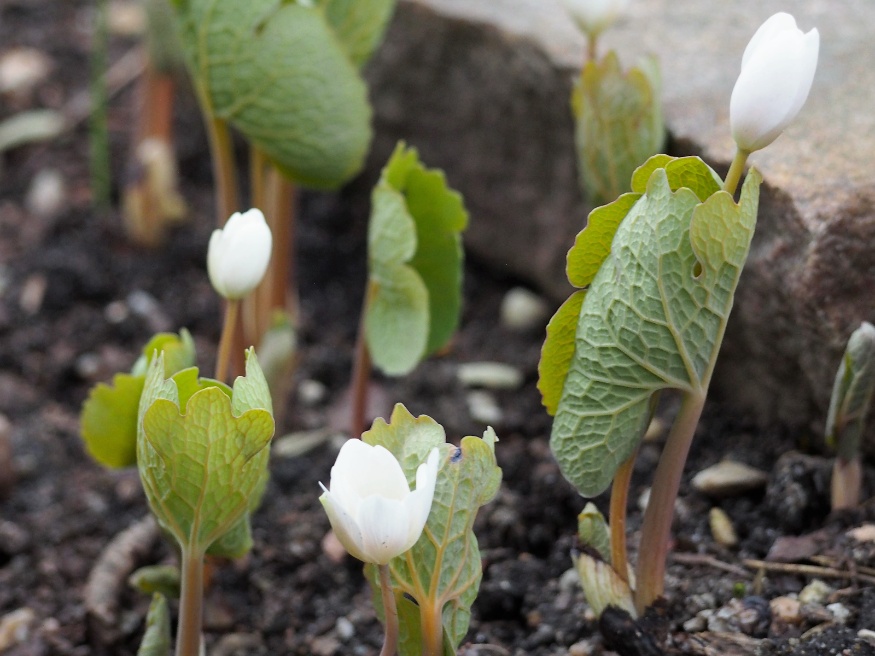
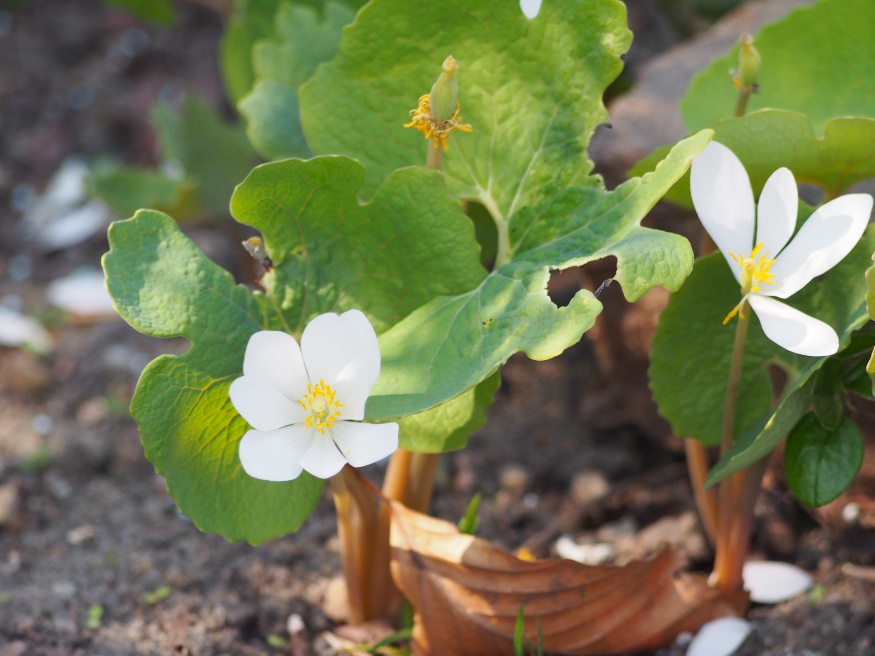
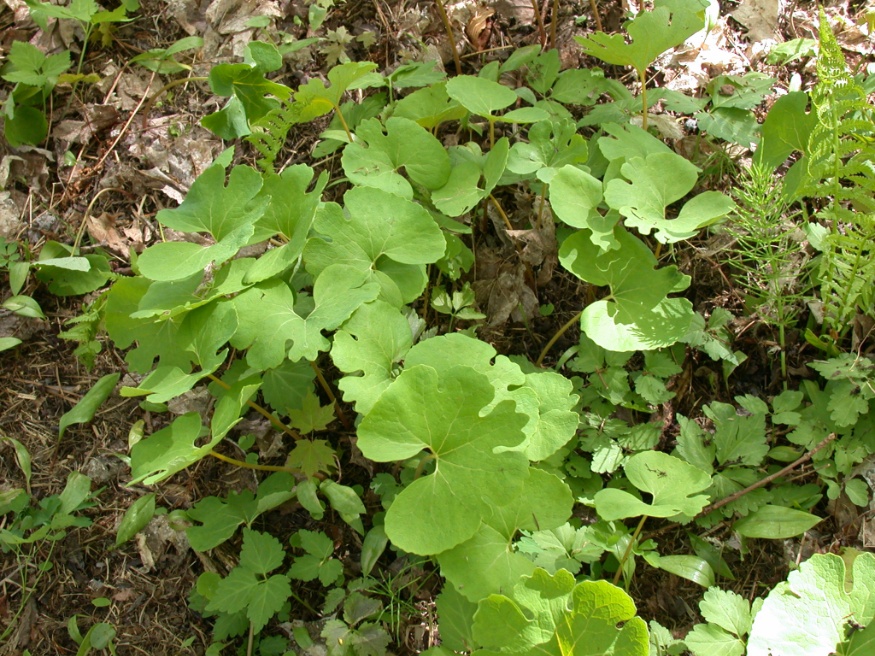
Bloodroot (Sanguinaria canadensis) is a distinctive spring ephemeral native to the deciduous forests of eastern North America. It emerges early in the season, producing a single, deeply lobed leaf that wraps protectively around a delicate white flower. As the plant matures, the leaf unfurls, revealing its unique shape and bluish-green tone.
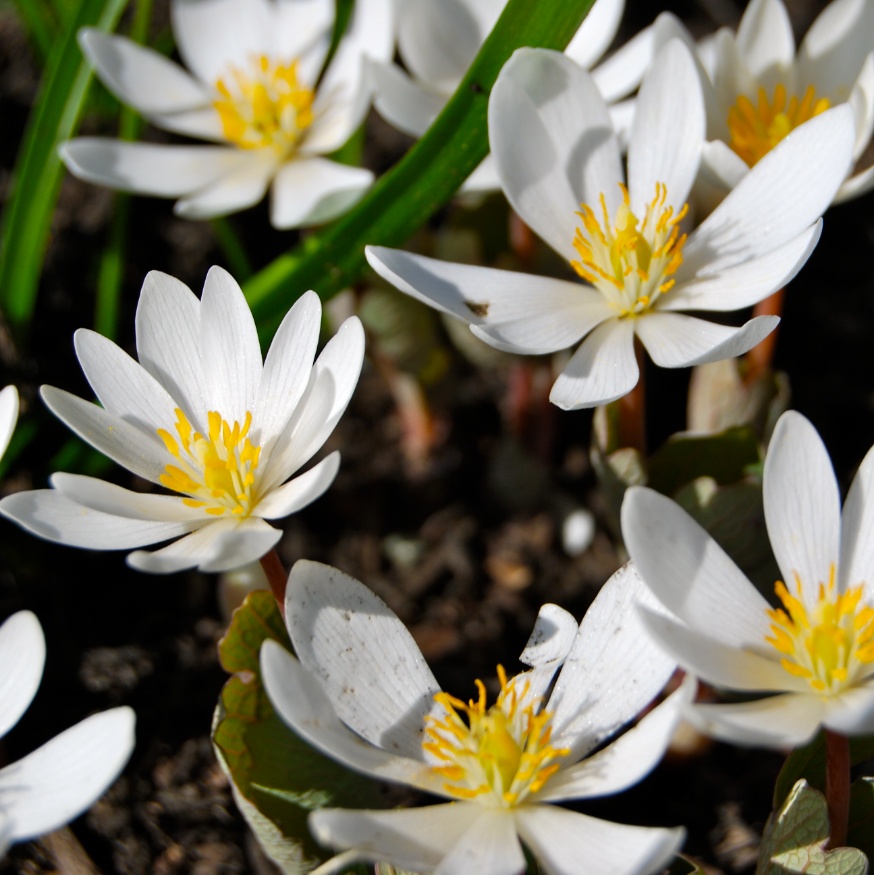
The flower consists of bright white petals surrounding a cluster of yellow stamens, creating a striking contrast against the forest floor. Blooming is brief, often lasting only a few days, after which the petals fall and the plant begins to retreat for the season.
Bloodroot grows from a thick rhizome that produces a reddish sap when cut, giving the plant its common name. It thrives in rich, shaded woodland soils and spreads slowly over time, forming small colonies in undisturbed habitats.
Though short-lived above ground each year, bloodroot plays an important role in early spring ecosystems and has long been recognized for its distinctive appearance and traditional uses.
Traditional Use
Folk Use
Chinese Medicine
Combinations
Precautions
| Medicinal Species | Sanguinaria canadensis |
|---|---|
| Tastes | bitter, acrid/pungent |
| Organ Systems | respiratory, integumentary (skin, hair, nails) |
| Thermal Nature | cool |
| Moisture | drying |
| Parts Used | roots |
| Preparations | extract, tincture |
| Organs and Tissue | lungs |