About This Plant

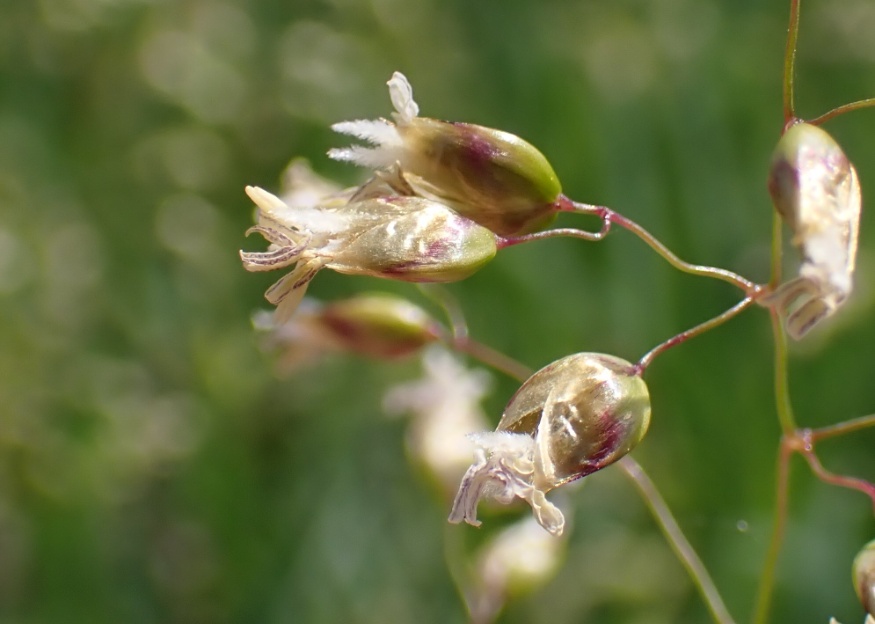
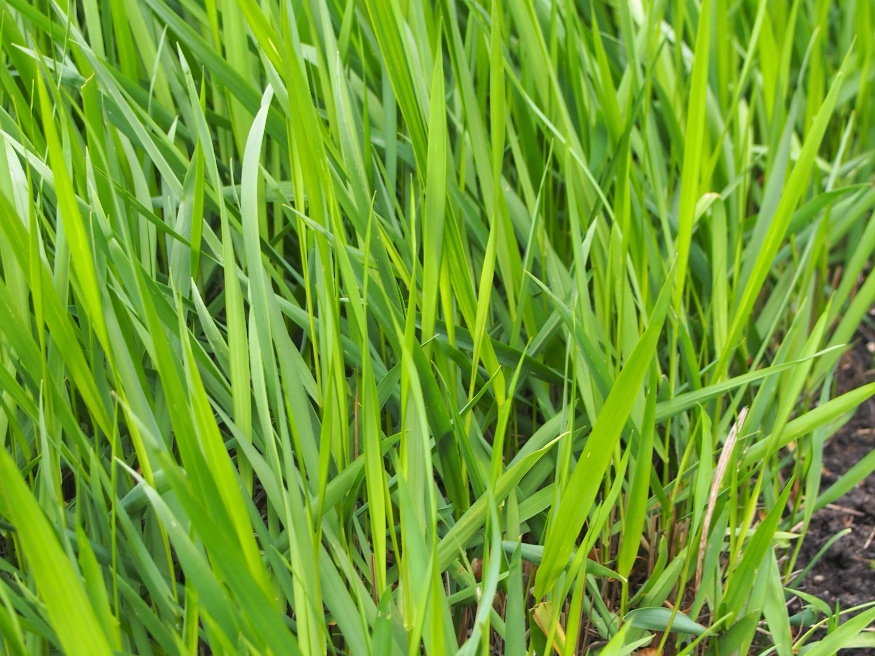
Sweetgrass (Hierochloë odorata) is a perennial grass native to temperate regions of North America, Europe, and Asia. It grows in moist prairies, floodplains, meadows, and open woodlands, forming dense clumps of slender, ribbon-like leaves that can reach up to three feet in length. The leaves are bright green, flexible, and highly aromatic, releasing a sweet, vanilla-like fragrance when crushed or dried.

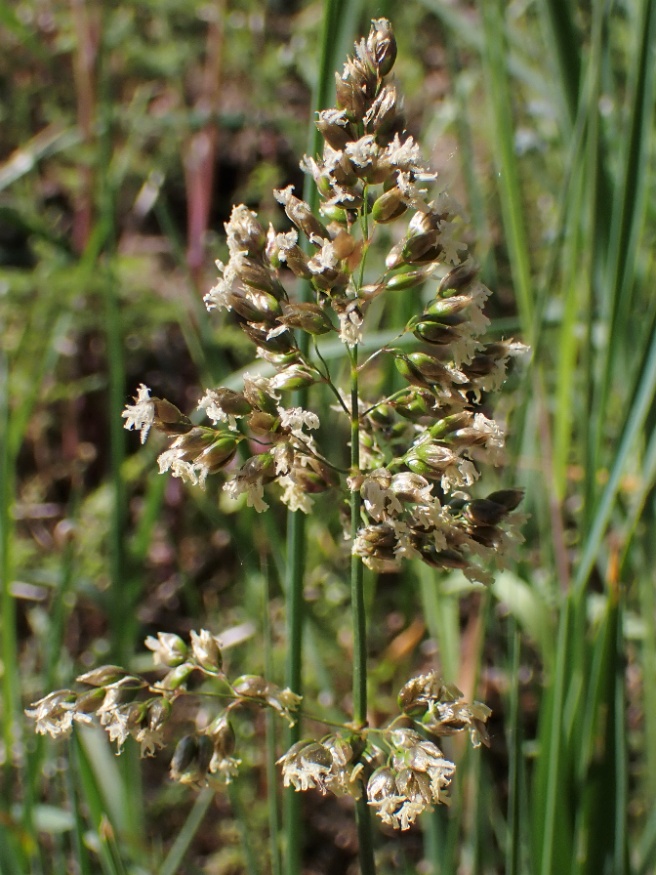
The plant spreads slowly via rhizomes, stabilizing soil in natural habitats and preventing erosion along wet meadows and stream margins. Sweetgrass produces inconspicuous flowers in early summer, but it is the fragrant foliage that is most valued. Traditionally, the aromatic leaves are harvested for weaving, ceremonial braids, and medicinal preparations. Its combination of ecological resilience, fragrant leaves, and cultural significance makes sweetgrass a unique and treasured species for both herbal and ceremonial uses.

Traditional Use

Folk Use

Sweetgrass has long been valued by Indigenous peoples of North America for ceremonial, medicinal, and practical purposes. The fragrant leaves were traditionally braided and burned as incense for purification, blessing, and spiritual ceremonies. Medicinally, infusions or decoctions of sweetgrass were used to soothe mild respiratory complaints such as coughs or throat irritation, and the aromatic compounds were thought to calm the nervous system. The leaves were also sometimes applied externally to skin irritations, minor wounds, or rashes for their gentle soothing effect. Sweetgrass was considered a protective and cleansing plant, and its use in both medicine and ritual reflects a combination of spiritual and physical care. The plant's sweet, vanilla-like aroma made it highly valued and culturally significant for many Indigenous communities.

Chinese Medicine

Sweetgrass is not a classical herb in traditional Chinese medicine, but its aromatic and cooling qualities align with herbs used to clear mild heat, support the lungs, and calm the mind. Energetically, it is slightly sweet and neutral, promoting relaxation of the nervous system while helping to soothe respiratory irritation and mucous membranes. Externally, its aromatic leaves can be applied or infused to support skin healing and cleanse minor wounds. In modern herbal practice, sweetgrass is incorporated into gentle calming or respiratory formulas, often alongside other aromatic herbs to enhance soothing, fragrant, and restorative effects.

Special Chemistry

Sweetgrass contains essential oils rich in coumarin and other aromatic compounds, which provide its characteristic sweet scent and mild calming, antimicrobial, and anti-inflammatory properties.

Signature

The long, fragrant, ribbon-like leaves resemble flowing strands or hair, reflecting purification, blessing, and gentle protective qualities. Its sweet aroma symbolizes harmony, renewal, and spiritual cleansing.

Combinations

Sweetgrass is traditionally combined with sage, cedar, and tobacco in ceremonial smoke blends. Medicinally, it may be paired with chamomile, mint, or lemon balm in teas for calming or respiratory support.

Precautions

Generally safe when used traditionally in teas, infusions, or external applications. Aromatic oils may cause mild skin sensitivity in some individuals. Avoid inhaling smoke excessively in enclosed spaces. Harvest sustainably to protect wild populations.

Medicinal SpeciesHierochloë odorata
Tastessweet, bland
Organ Systemsdigestive, respiratory, nervous, integumentary (skin, hair, nails)
Thermal Natureneutral
Moisturemoistening
Parts Usedstems, leaves
Preparationsdecoction, tea/infusion, powder, wash
Organs and Tissuelungs, stomach, mucosa

Growing Guide

Sweetgrass (Hierochloë odorata) grows best in moist, well-drained soils with moderate fertility. It prefers full sun to partial shade and is often found in prairie margins, wet meadows, and floodplains. The plant grows in dense clumps and spreads slowly through rhizomes. Seeds may benefit from cold moist stratification to improve germination rates, though propagation is commonly done by dividing established clumps in spring or fall. Sweetgrass is hardy to zone 2 and once established requires minimal maintenance, thriving in both cultivated gardens and naturalized prairie plantings. Its aromatic leaves are often harvested sustainably for weaving and ceremonial use.