About This Plant

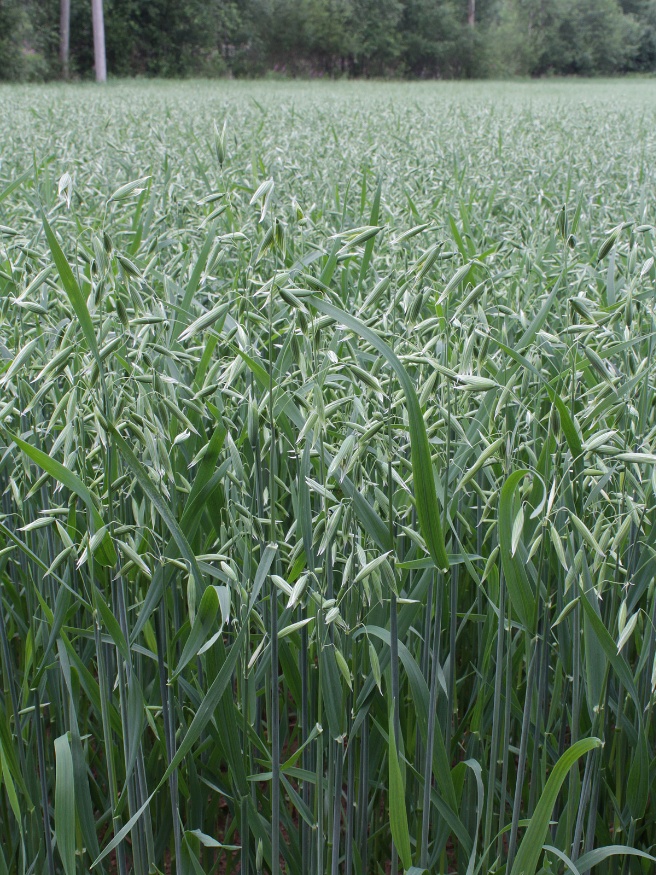
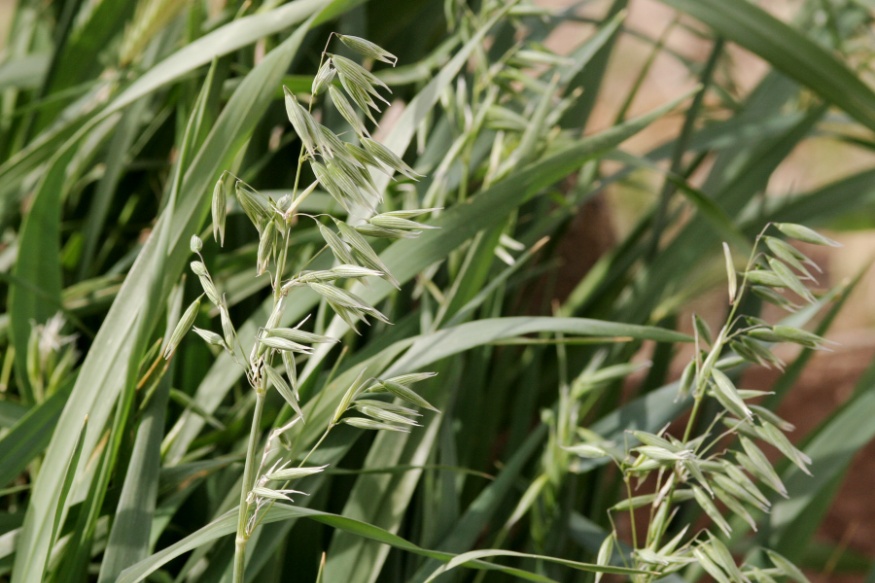
Oats (Avena sativa) are an annual cereal grass cultivated worldwide for their seeds, which are rich in fiber, protein, and nutrients. The plant produces tall, slender stems that bear loose, drooping panicles of seeds. The long, linear leaves are green and flexible, and the plant has a tufted, upright growth habit.

Native to temperate regions of Europe and Asia, oats have been widely naturalized in North America and other continents. They grow well in fertile, moist soils with adequate drainage, thriving in open fields, prairies, and floodplains. Oats establish quickly, providing soil cover and helping prevent erosion, making them useful in both agriculture and landscape reclamation.

Historically, oats have been valued for both human and animal nutrition, as well as for their gentle medicinal properties. Oat straw and green oat tops have been used in teas, infusions, and baths to nourish the nervous system, support digestion, and soothe the skin. Because of their versatility, oats remain an important cereal crop and herbal resource, bridging nutrition, medicine, and ecological function.

Traditional Use

Folk Use

Oats have been used for centuries as both food and medicine. The seeds were a staple grain, nourishing people and livestock alike, while green oat tops and straw were used for medicinal purposes. Traditional herbal preparations often used oat straw or green oats as a tonic for the nervous system, to support relaxation, reduce stress, and alleviate mild insomnia. Infusions of oat straw were also consumed to strengthen digestion, improve appetite, and support overall vitality. Externally, oat baths or poultices were applied to soothe irritated skin, eczema, and minor burns, leveraging their anti-inflammatory and emollient properties. Folk traditions recognized oats as a gentle, restorative plant that could nourish both body and mind.

Chinese Medicine

Oats are not a classical herb in traditional Chinese medicine, but modern herbalists consider them neutral and slightly sweet, supporting the Spleen and Stomach systems for digestion, and the Heart and Liver for calming the nervous system. The herb is used to nourish Yin and promote relaxation, helping reduce anxiety, mild insomnia, and tension. Oat preparations also support the digestive tract by providing fiber and mild tonicity to the mucosa, while externally oat baths are used to moisten and soothe irritated or inflamed skin. In contemporary practice, oats are valued for their general restorative, nutritive, and mild diuretic effects.

Special Chemistry

Oats contain beta-glucans, saponins, flavonoids, and phenolic compounds, which contribute to their cardiovascular, anti-inflammatory, and soothing effects. The mucilage in green oats and straw provides emollient properties for skin and gastrointestinal support.

Signature

The long, flexible stems topped with drooping seed panicles resemble gentle supportive fibers, reflecting the plant's nourishing and calming qualities. Its ability to grow in diverse soils symbolizes resilience and adaptability.

Combinations

Oats are commonly combined with oat straw, chamomile, lemon balm, or passionflower in formulas for nervous system support. For digestive or skin preparations, they pair well with plantain, marshmallow root, or aloe.

Precautions

Oats are generally safe for most people. Those with celiac disease or gluten sensitivity should ensure that oats are certified gluten-free, as cross-contamination may occur. Excessive consumption of oat supplements may occasionally cause mild gastrointestinal upset.

Medicinal SpeciesAvena sativa, Avena fatua
Tastessweet, astringent, bland
Organ Systemscirculatory, digestive, nervous, integumentary (skin, hair, nails)
Thermal Natureneutral
Moisturemoistening
Parts Usedstems, leaves, seeds
Preparationsdecoction, tea/infusion, tincture, bath, powder, syrup
Organs and Tissuestomach, mucosa, blood

Growing Guide

Oats (Avena sativa) are an annual grass best grown in fertile, well-drained soils with full sun. They tolerate a variety of soil types, including sandy and clay soils, as long as moisture is adequate. Sow seeds directly in spring after the last frost or in fall in mild climates. Space seeds evenly and provide consistent moisture during germination. Oats grow rapidly, producing long slender stems topped with characteristic panicles of seeds. The crop matures in 60–75 days, depending on the variety and growing conditions. For medicinal or herbal use, harvest stems, leaves, or seeds at maturity and dry promptly to preserve nutritional and therapeutic qualities.