About This Plant

Couch grass (Elymus repens) is a perennial grass native to Europe, Asia, and parts of North America. It grows vigorously in open fields, prairies, hillsides, disturbed ground, and along forest edges. The plant spreads through long, creeping rhizomes that root at nodes, forming dense mats that stabilize soil and prevent erosion.

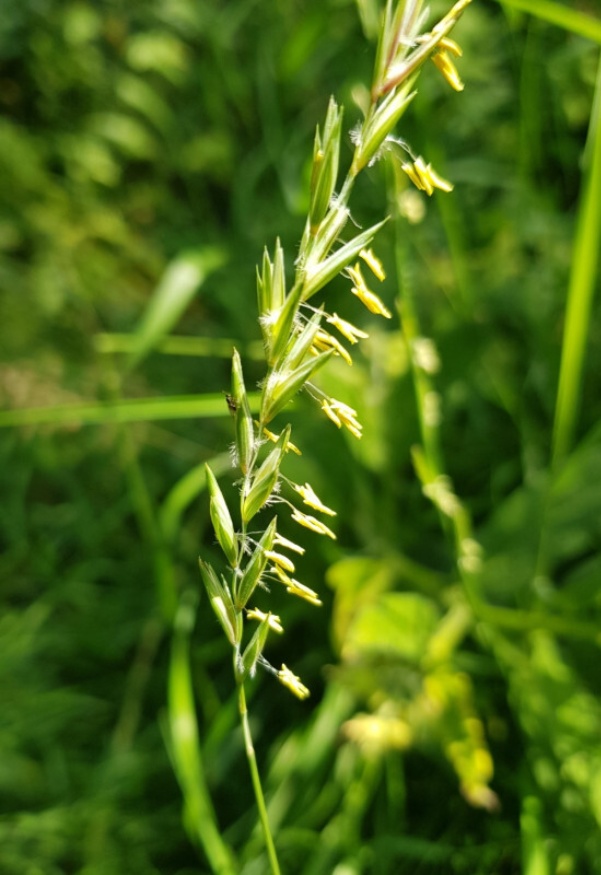
The upright stems are slender and topped with narrow, pointed leaves that are typically green and glossy. Flower spikes emerge in late spring to early summer, bearing small greenish spikelets that produce seeds for reproduction, although rhizome spread is the dominant method of propagation.

Couch grass is highly adaptable and hardy, capable of growing in a variety of soils and light conditions. Its rapid growth and resilience make it an important plant for erosion control, soil improvement, and naturalized landscaping. Medicinally, the roots have long been valued for supporting urinary and digestive health, making the plant a versatile herb in traditional folk and modern herbal medicine.

Traditional Use

Folk Use

Couch grass has a long history of use in European and North American herbal traditions. The rhizomes were commonly harvested in spring or fall and prepared as decoctions or teas to support urinary tract health, including treatment of kidney and bladder irritation, urinary infections, and water retention. Its mild diuretic effect made it valuable for cleansing the urinary system and supporting kidney function. Couch grass roots were also used in digestive complaints such as mild stomach upset, bloating, or constipation due to their soothing, mucilaginous qualities. Poultices made from crushed roots were occasionally applied externally to inflamed skin or minor wounds, reflecting the herb's mild astringent and healing properties. Folk traditions often recommended the fresh rhizomes for tea, while dried roots could be powdered for long-term storage and use.

Chinese Medicine

Couch grass is not a classical herb in traditional Chinese medicine but has been incorporated into modern herbal practice for its diuretic and cooling qualities. It is considered mildly sweet and cool, helping to clear heat from the urinary tract and support the Kidney and Bladder systems. It may also support the Stomach by soothing mild digestive irritation and reducing excess moisture in the intestines. The mucilaginous nature of the rhizomes provides a moistening effect, calming inflammation and promoting tissue healing. In contemporary integrative formulas, couch grass is sometimes combined with other urinary or kidney-supporting herbs to enhance detoxification, improve fluid balance, and relieve minor edema or inflammation.

Special Chemistry

Couch grass contains polysaccharides, saponins, flavonoids, and mucilage, which contribute to its diuretic, anti-inflammatory, and soothing effects. The roots are rich in carbohydrates that help provide gentle nutritive support.

Signature

The creeping rhizomes that spread aggressively underground resemble networks of veins or channels, symbolizing cleansing and flow through the urinary system. Its resilience and rapid growth also reflect vitality and regenerative power.

Combinations

Couch grass may be combined with nettle, corn silk, horsetail, or birch leaves in herbal formulas for urinary health. For digestive support, it can be paired with marshmallow root or slippery elm.

Precautions

Generally considered safe when used as a mild diuretic. Avoid excessive consumption in individuals with kidney disease or on diuretic medications without professional guidance. Harvest wild populations sustainably due to aggressive growth in natural habitats.

Medicinal SpeciesElymus repens, Elymus canadensis, Elymus glaucus
Tastessweet, astringent, bland
Organ Systemscirculatory, digestive, urinary, integumentary (skin, hair, nails)
Thermal Naturecool
Moisturemoistening
Parts Usedroots, leaves
Preparationsdecoction, tea/infusion, powder, wash, syrup
Organs and Tissuestomach, gallbladder, kidneys, mucosa, blood

Growing Guide

Couch grass grows vigorously in a wide range of soils, including sandy, clay, and fertile loams. It prefers full sun but tolerates partial shade and spreads readily through underground rhizomes. For cultivation, plant sections of rhizomes in spring or fall in well-drained soil. Once established, it forms dense mats that prevent erosion, stabilize soil, and provide quick ground cover. The plant is highly resilient and can tolerate drought, heavy soil, and soil compaction, making it useful for reclamation projects and naturalized landscapes. Regular maintenance may involve controlling unwanted spread, as its rhizomes can quickly colonize large areas.