About This Plant
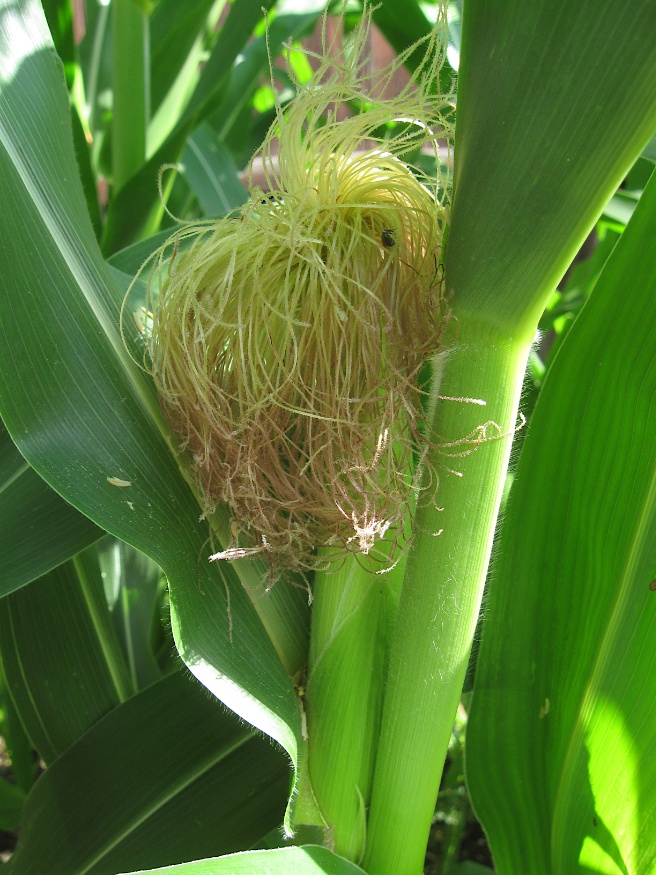
Corn silk (Zea mays) is derived from the widely cultivated corn plant, an important agricultural species grown across temperate and subtropical regions. The silk consists of the long, hair-like stigmas that emerge from the developing corn ear, each strand corresponding to a potential kernel. These structures play a critical role in pollination by capturing airborne pollen.
Corn is typically grown in open, sun-exposed fields and thrives in fertile, well-drained soils. The plant itself is tall and upright, with broad leaves and a sturdy central stalk. While the kernels are the primary agricultural product, the silk has been recognized as a valuable byproduct in herbal traditions.
Historically, corn has been a staple crop in many cultures, and corn silk has been used alongside other parts of the plant in traditional remedies. It is easily collected during the growing season when the ears are fresh and the silk is still vibrant.
Medicinally, corn silk is valued for its gentle diuretic action and its ability to support urinary tract health. It is commonly prepared as a tea or infusion and used to promote fluid balance and soothe irritation within the urinary system. Its mild nature makes it suitable for regular use in supportive herbal practices.
Traditional Use
Folk Use
Corn silk, the long, thread-like stigmas of the corn plant (Zea mays), has been used in traditional folk medicine as a gentle remedy for urinary and kidney support. It is commonly prepared as a tea or infusion made from the fresh or dried silk collected from developing ears of corn. Folk traditions often value it for its mild diuretic properties and its ability to soothe the urinary tract.
Chinese Medicine
In Traditional Chinese Medicine, corn silk (Yu Mi Xu) is used to promote urination, reduce dampness, and assist in clearing urinary tract discomfort. It is considered gentle and is often used in cases of edema, urinary difficulty, and damp-heat conditions. It is frequently included in formulas aimed at supporting kidney and bladder function.
Special Chemistry
Corn silk contains flavonoids, polysaccharides, potassium salts, and other compounds that contribute to its diuretic and soothing properties. These constituents are believed to support urinary elimination while providing mild anti-inflammatory and antioxidant effects.
Signature
The fine, thread-like appearance of corn silk reflects its traditional role in supporting the delicate tissues of the urinary system. Its soft, filamentous structure is often associated with gentle cleansing and drainage functions within herbal energetics.
Combinations
Corn silk is commonly combined with herbs such as plantain (Plantago spp.) or nettle for enhanced urinary support, or with other diuretic herbs to help reduce fluid retention. It is often used in formulas aimed at soothing irritation while promoting healthy elimination.
Precautions
Corn silk is generally considered safe and well tolerated. Due to its diuretic effects, it may increase urine output and should be used with care in individuals taking diuretic medications or those needing to manage fluid balance. As with any herbal remedy, appropriate identification and sourcing are important.
| Medicinal Species | Zea mays |
|---|---|
| Tastes | sweet, bland |
| Organ Systems | digestive, urinary |
| Thermal Nature | cool |
| Moisture | moistening |
| Parts Used | stems, seeds |
| Preparations | decoction, extract, tea/infusion |
| Organs and Tissue | kidneys, bladder, mucosa |