About This Plant
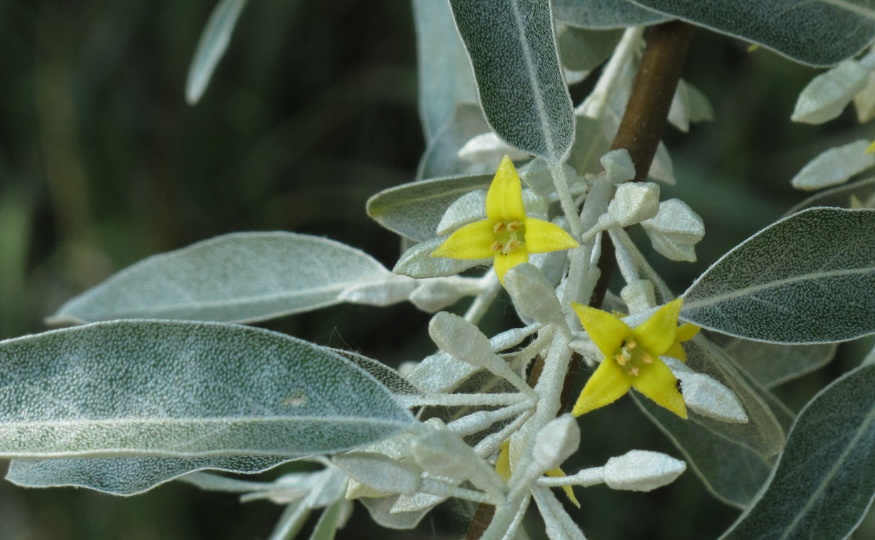
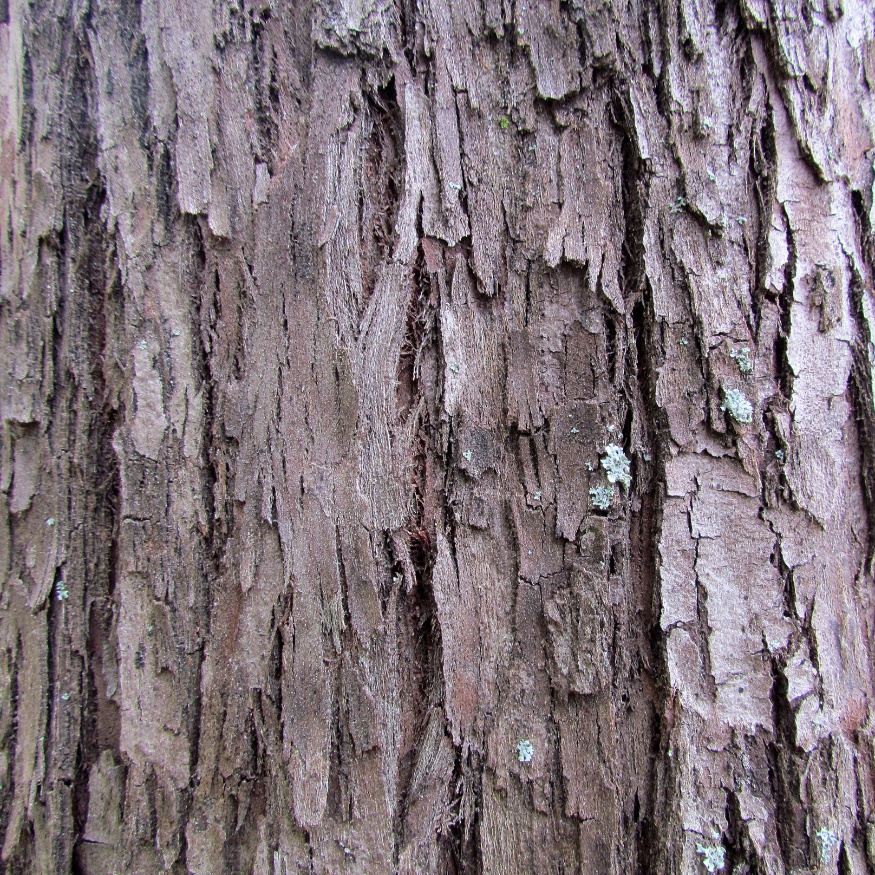
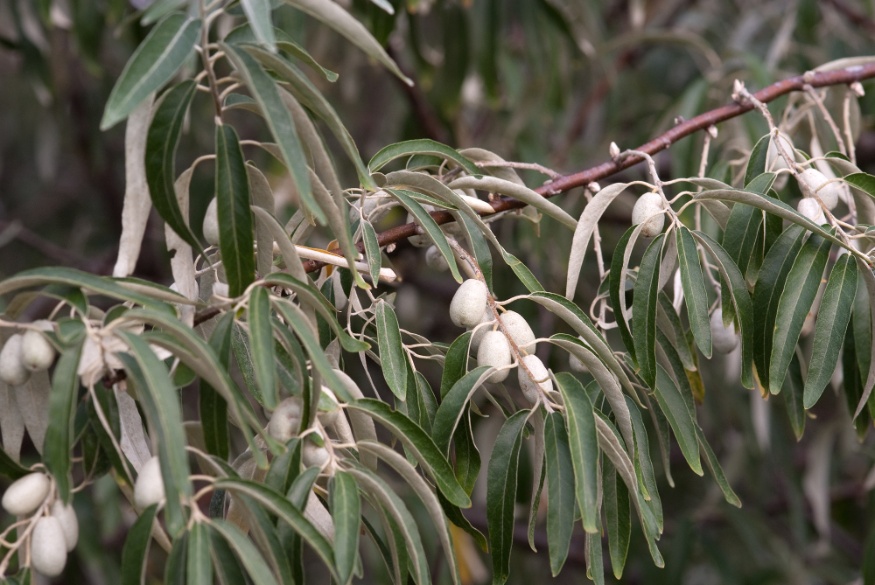
Russian olive (Elaeagnus angustifolia) is a hardy deciduous shrub or small tree known for its narrow silvery leaves and fragrant yellow flowers. Native to parts of Europe and Asia, it has been widely planted in North America for windbreaks, erosion control, and ornamental use. Hardy to zone 3, it tolerates drought, poor soils, and harsh environmental conditions that many other plants cannot withstand. Mature plants typically reach 10 to 30 feet tall and may grow as a spreading shrub or a small multi-stemmed tree. In late spring the plant produces small, sweetly fragrant flowers that attract pollinators. These are followed by oval, silvery fruits that ripen to a yellowish or brown color. The fruits are edible and have been used as a food source in some traditional cultures. Russian olive is notable for its ability to fix nitrogen in the soil, improving soil fertility and helping it establish in disturbed landscapes. While valued for its resilience and ecological benefits, it can spread aggressively in some regions if not managed.
Traditional Use
Folk Use
Chinese Medicine
Special Chemistry
Signature
Combinations
Precautions
| Tastes | sweet, sour, astringent |
|---|---|
| Organ Systems | circulatory, digestive, immune/lymphatic |
| Thermal Nature | neutral |
| Moisture | drying |
| Parts Used | leaves, flowers, berries |
| Preparations | tea/infusion, tincture, powder, syrup |
| Organs and Tissue | stomach, small intestine, blood |